Epiphone adds TV White, Cherry Red and TV Yellow Les Paul Special reissue
Epiphone’s 1960 Les Paul Special Double Cut Reissue now comes in TV White, Cherry Red and TV Yellow. TV Yellow is the safest vintage pick.
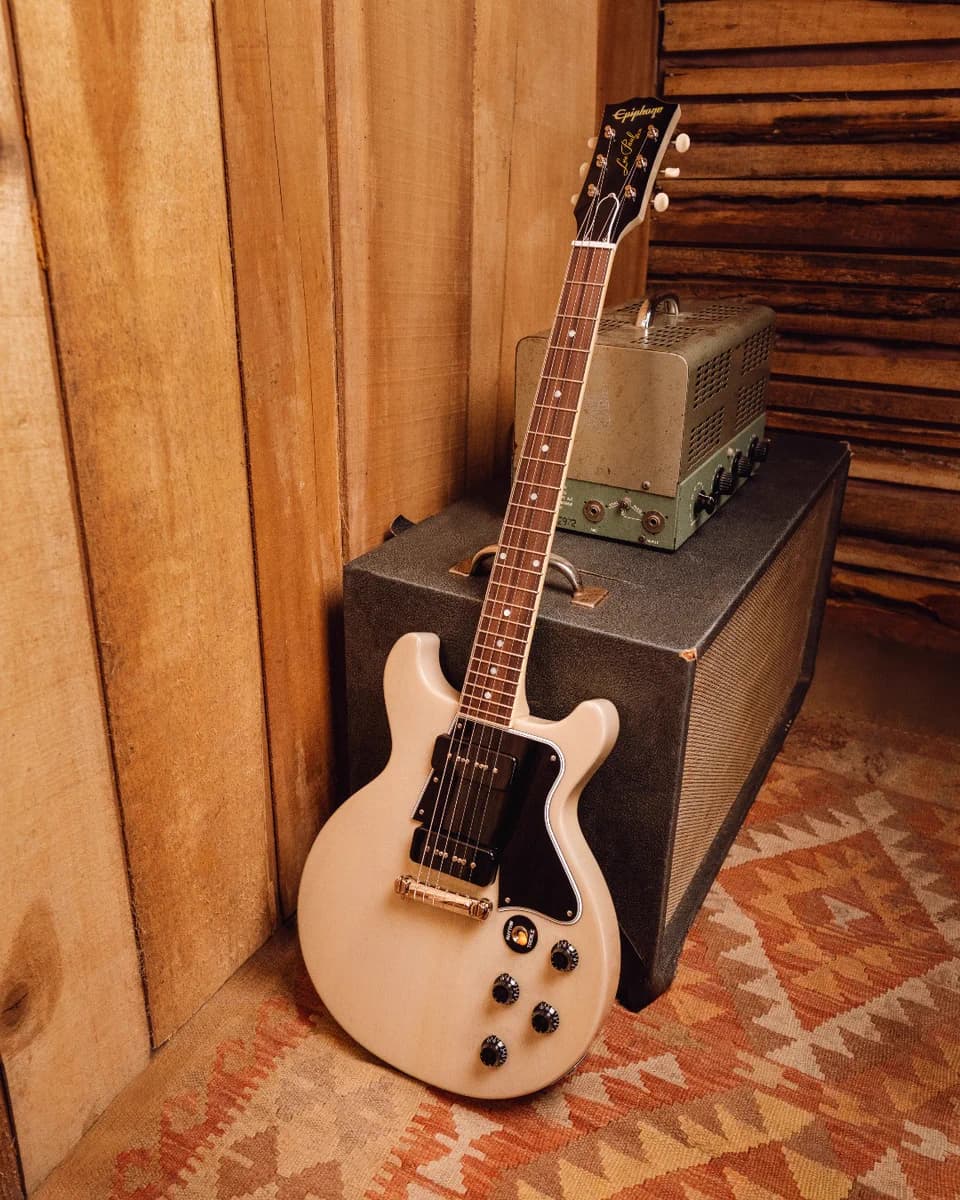
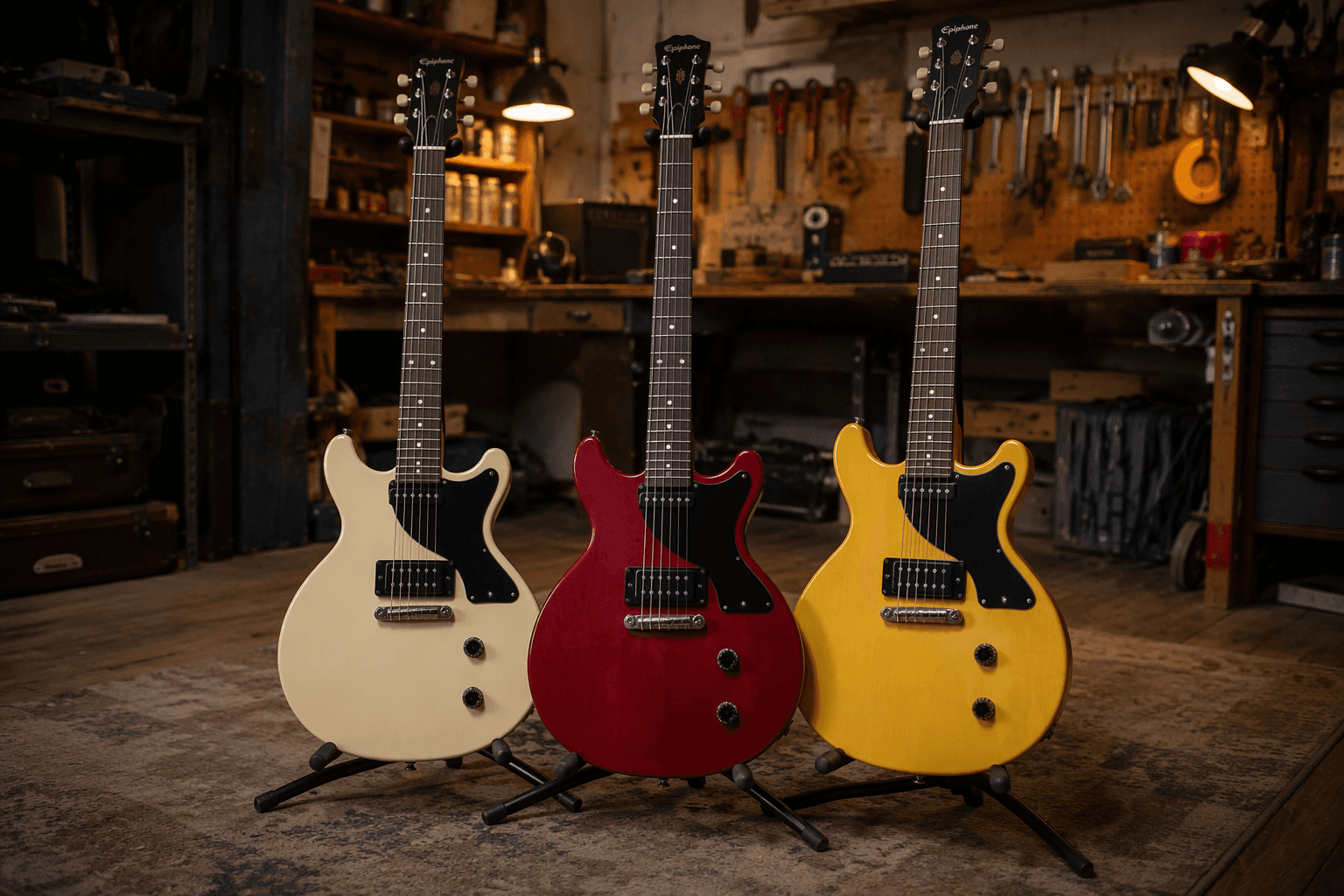
Epiphone has given the 1960 Les Paul Special Double Cut Reissue three new finish choices, and TV Yellow is the one that feels most at home on a Special. The Inspired by Gibson Custom model is now offered in TV White, Cherry Red and TV Yellow, so the same old-school double-cut comes in three very different flavors for players weighing vintage vibe, stage punch and collector appeal.
Epiphone pushed the update across its social posts on X, Facebook and Threads, where it said the finishes were available now. Retail listings already tag the guitar as a 2025 release, and some sellers are pairing it with a case, which makes the reissue look less like a display piece and more like a ready-to-gig package straight out of the box.
The core recipe stays the part players will recognize. Listings show a mahogany body, a one-piece mahogany neck with a 60s SlimTaper profile, a rosewood fingerboard, mother-of-pearl dot inlays and 22 medium jumbo frets. Review and community posts also describe the guitar as using P-90 pickups, which keeps the model in the right lane for the raw, midrange-forward snap that made Les Paul Specials useful instead of polite.
The history behind the body shape gives the new finishes more weight. Dealer copy traces the Gibson Les Paul Special back to 1955 as a single-cutaway model, before the double-cutaway version joined the family later. That matters because this Epiphone reissue is not trying to reinvent the Special, it is leaning into the look and feel players already associate with the format.
For buyers, the finish choice is the real decision. TV Yellow is the closest to the classic Special identity and the easiest sell if you want the guitar to look like it belongs in the family tree. Cherry Red is the flashiest option when a double-cut needs to cut through stage lighting, while TV White gives the reissue the cleanest, sharpest presentation of the three. Epiphone kept the bones familiar and changed the clothes, which is exactly why this one lands as one of the company’s most compelling old-school double-cut options right now.
This article was produced by Prism’s automated news system from verified source data, official records, and press releases, then run through automated quality and moderation checks before publishing. The system is built and supervised by the people who set the standards it runs under. Read our full AI policy.
Did this article answer your question?