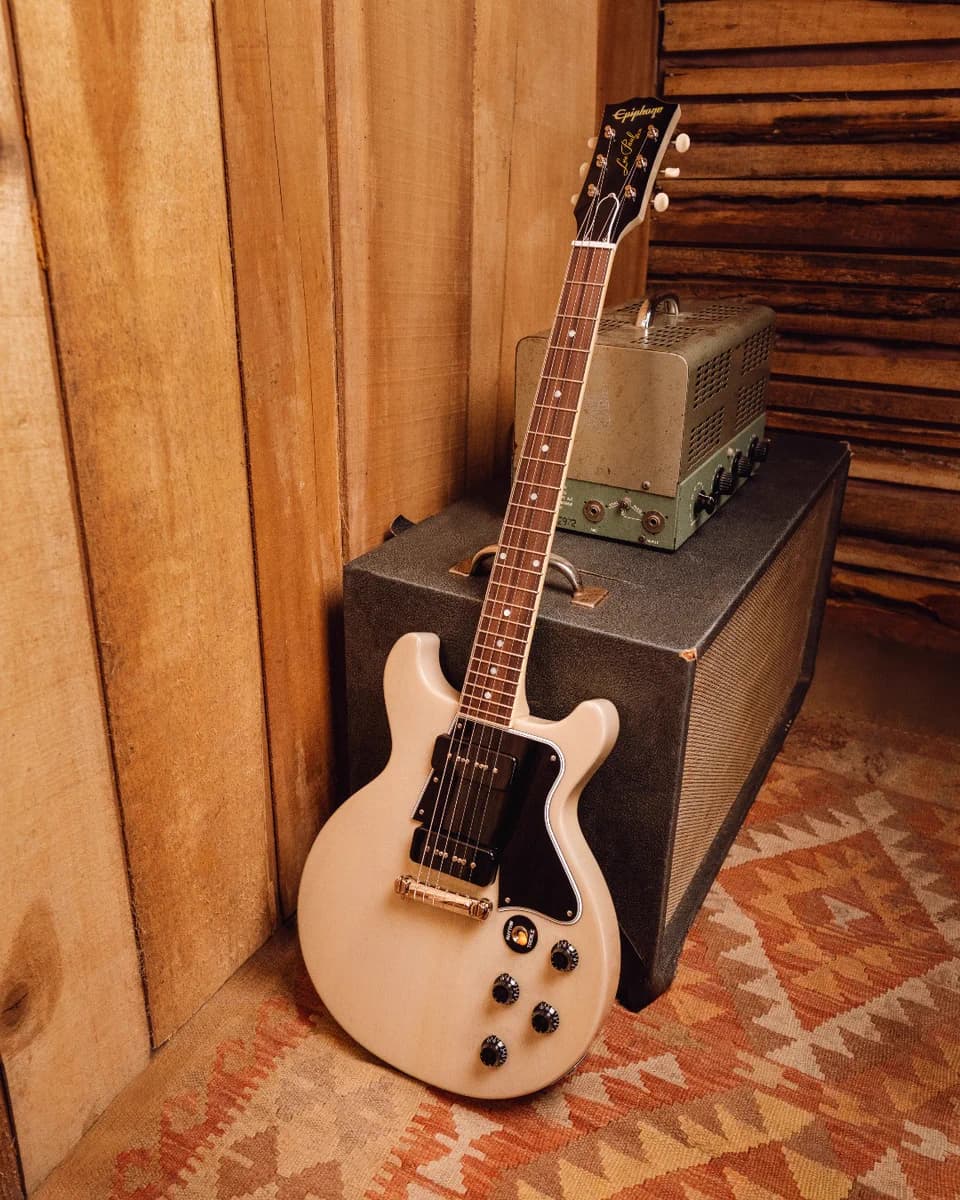
Gibson’s lighter Les Paul Studio Double Trouble tests purists’ patience
Gibson’s Studio Double Trouble keeps the Les Paul voice and core specs, but the lighter, more affordable build asks purists to trade some tradition for comfort.
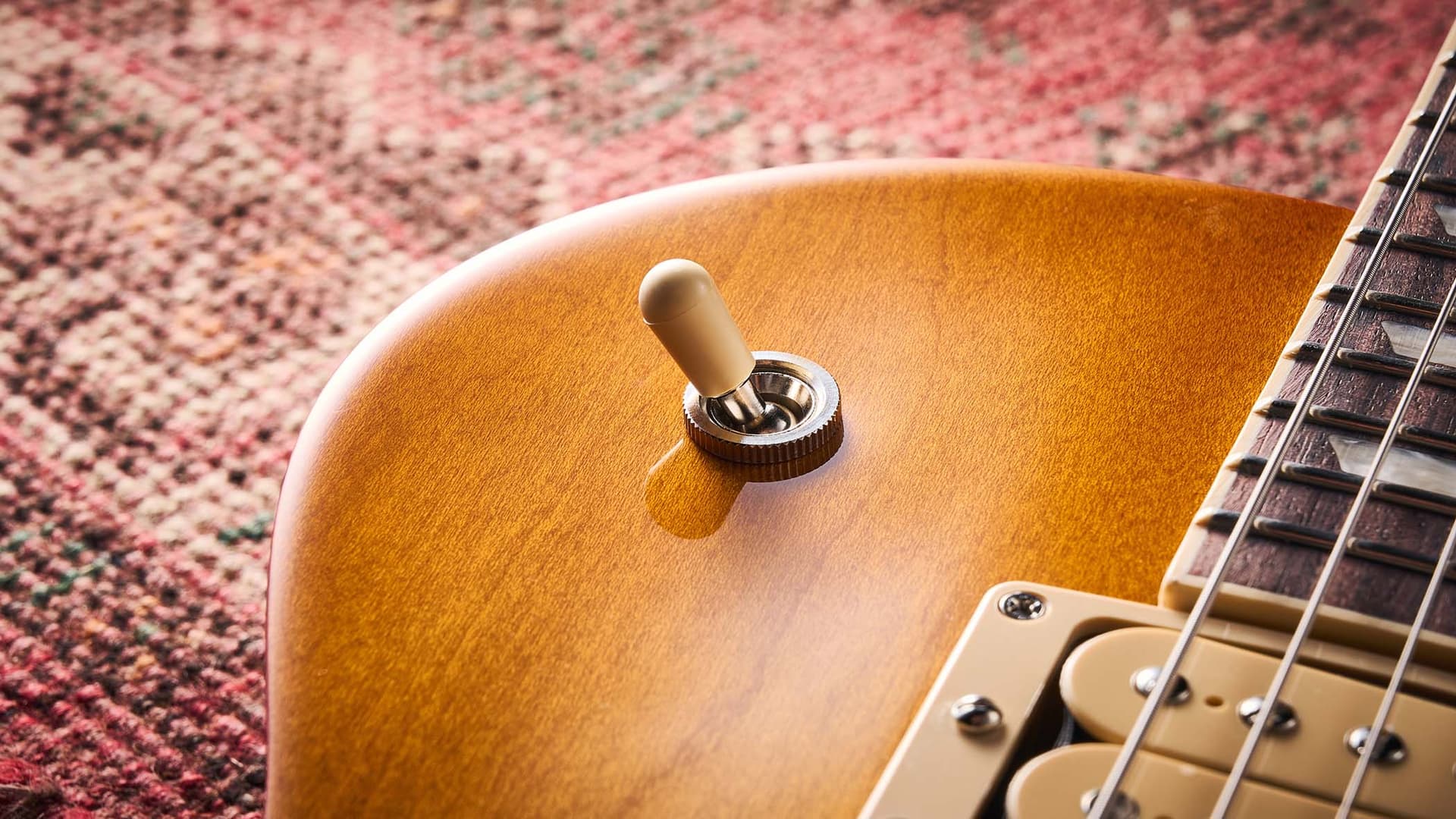
The Les Paul Studio Double Trouble is built to provoke a very specific reaction from die-hards: that familiar cry of, “That’s not a Les Paul!” Guitar World’s take makes the tension plain, but the same review also lands on the practical payoff, calling it “simply a pleasure” to play and live with at this weight. That is the whole test here, whether Gibson has bent the Les Paul formula just enough to make it easier to carry without losing the feel that keeps players loyal.
What Gibson kept in the Les Paul recipe
The Studio Double Trouble does not abandon the classic parts list that Les Paul buyers expect to see. Gibson’s spec sheet keeps a non-weight-relieved mahogany body, an AA figured maple top, a SlimTaper neck, and Burstbucker 61 pickups in the mix, which means the guitar still speaks the language of a proper modern Les Paul rather than a stripped-back imitation. That matters because the Studio line has always been Gibson’s lower-frills tier, the place where the company tries to preserve the core experience without the full ornamental package of the higher-end models.
That mix of ingredients is why the Double Trouble name does not feel like a cosmetic afterthought. The maple top and Burstbucker 61s preserve the visual and sonic cues most players associate with the family, while the SlimTaper neck keeps the guitar aimed at players who want a fast, familiar hand feel. In other words, the model satisfies the classic Les Paul expectations that count most in real playing: the silhouette, the humbucking punch, and the immediate Gibson response under the fingers.
Where the purist alarm bells start ringing
The trouble for traditionalists begins with the lighter feel. A Les Paul is supposed to carry a certain mass, and that mass is part of the mythology as much as the maple cap or carved top. Guitar World’s framing makes clear that the Studio Double Trouble is lighter than the archetypal slab-like Standard, and that is exactly where purists start drawing lines.
But the review language also shows why that line is harder to defend once the guitar is on a strap. A lighter Les Paul can be a gift in the real world, especially for gigging players, older players, or anyone dealing with shoulder fatigue. The traditional objection is emotional and historical; the practical benefit is physical and immediate. If the instrument still delivers the Les Paul voice but asks less of your back, the argument against it starts to sound like nostalgia for its own sake.
How the Double Trouble concept moved down the line
Gibson did not invent the Double Trouble idea for the Studio line. The company first attached the concept to the Les Paul Standard, and its launch messaging for the Studio version positions this as a way to bring that same attitude to more players at a more affordable level. Gibson described the guitar as “the essential Les Paul concept, refreshed for today’s musicians who want something more personal,” which is a clear sign that the company sees this as a modernized, player-focused branch of the Les Paul family tree.
That positioning is reinforced by outside coverage. MusicRadar characterized the Studio Double Trouble as a more affordable version of a limited-run concept, while Guitarist Magazine described it as bringing the Double Trouble treatment to a lower price point. Taken together, those descriptions show the same strategy from different angles: Gibson is keeping the limited-edition appeal, but trying to make it reachable for players who would not jump straight to a higher-priced Standard variant.
The simple buyer test
The Studio Double Trouble makes the most sense if you want a Les Paul that feels less punishing without losing the broad outlines of the real thing. If the Standard is the full-fat version of the formula, this Studio edition is the one that asks what you are actually paying for when you buy into the name. For many players, the answer is not gold hardware or extra ornament. It is the weight, the neck feel, the humbucker snap, and the way the guitar sits against the body.
Here is the clearest way to think about the trade-off:
- Choose the Studio Double Trouble if you want the Les Paul look and sound, but value a lighter, easier-playing guitar for long sets or regular home use.
- Choose a Standard if the full traditional presentation still matters most, including the more iconic, heavyweight feel that purists expect.
- Choose a used Studio if your main priority is price and you are happy to skip the Double Trouble treatment and its more specific spec package.
That decision tree is where this model becomes more than a limited-edition curiosity. It is not trying to replace the Standard; it is trying to occupy the space where a lot of players actually live, between heritage and comfort.
The look, the editions, and the market signal
The Studio Double Trouble is also being positioned as something collectible enough to matter on first glance. Some online listings show finishes including Cherry Sunburst and Dirty Lemon Burst, which keeps the visual vocabulary squarely in Les Paul territory while giving the model a bit of extra personality. That fits Gibson’s broader message that the guitar is meant to feel a little more personal, not just more affordable.
That combination of finish options, familiar construction, and lighter carry weight is what gives the model its edge. It is still a Les Paul in the ways that count most to working players, but it is clearly willing to bend the purist script in service of comfort and accessibility. The result is a guitar that tests patience in theory and wins a lot of it back in practice, especially the first time you realize how much easier the night gets when the Les Paul on your shoulder no longer feels like a punishment.
This article was produced by Prism’s automated news system from verified source data, official records, and press releases, then run through automated quality and moderation checks before publishing. The system is built and supervised by the people who set the standards it runs under. Read our full AI policy.
Did this article answer your question?