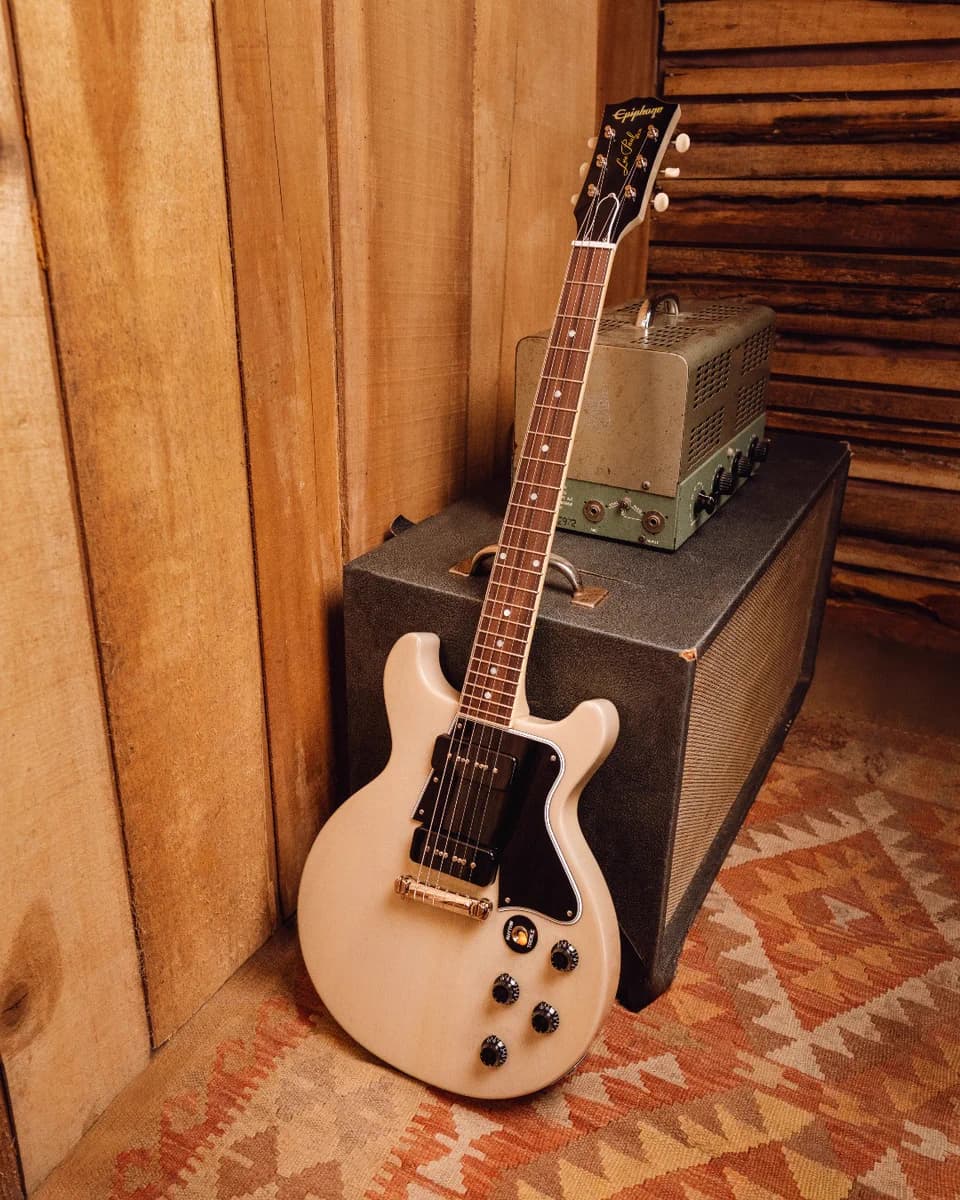
MusicRadar's gig-ready guitar guide helps players avoid stage surprises
MusicRadar’s gig-ready checklist targets the failures that ruin a set, from tuning drift and dead strings to crackly cables, weak batteries and loose hardware.

Stage lights can turn a guitar that feels solid at home into a liability. MusicRadar’s “7 essential tips for getting your guitar gig-ready” turns that into a checklist: catch tuning drift, hardware faults and power issues before the first downbeat.
Tuning drift is the first enemy
If the guitar cannot hold pitch, nothing else matters for long. Tuning stability belongs at the top of the list, and MusicRadar’s related guide, “How to make your guitar stay in tune,” keeps the focus on live use. A quick tuning check across the neck, followed by a few bends and chords, tells you whether the guitar is returning to pitch cleanly or slowly sliding flat.
That is also where the tuner in your gig bag earns its place. MusicRadar’s tuners guide sorts the field into categories such as best tuner overall, best headstock tuner, best battery life, best strobe tuner and best for reliability, the kind of sorting that matters when you need a fast, dependable read between songs. If the instrument is already wandering before you leave the house, it is not gig-ready yet.
Dead strings and tired setups show up under pressure
Old strings can feel serviceable in the bedroom and still fall apart once you start digging in onstage. The rule is simple: if the strings are due, replace them before the show rather than hoping they survive one more set. Fresh strings are cheap insurance against dull tone, unstable tuning and the nasty surprise of a break mid-song.
Strings are only part of the setup story. Action, truss rod, string height and radius, pickup height, plus cleaning the fingerboard and frets, all affect how the guitar feels and reacts under stage conditions. If the action is uneven or the neck relief is off, the instrument may play fine in a quiet room and fight you once you start pushing it at full volume.
Intonation problems make chords sound wrong everywhere
A guitar can be in tune on the open strings and still sound sour up the neck if the intonation is off. That makes MusicRadar’s “How to set your guitar’s intonation” part of the same pre-gig mindset as string changes and tuning checks. The guitar can look ready, the tuner can agree, and higher-fret chords can still land wrong all night.
The fix is a focused test, not guesswork. Play the notes you actually use in the set, especially shapes that sit high on the neck, and listen for the way the intonation holds across the fretboard. If the guitar is sharp or flat in predictable spots, you want to catch that before you step onstage, not halfway through the opening number.
Crackly cables and jack sockets are set killers between songs
A bad cable does not always die dramatically. More often, it crackles, cuts out, or sends a burst of noise through the PA at the worst possible moment, and the audience hears it before you do. That is why a backup cable is so useful, because swapping one lead is faster than troubleshooting a failing one under pressure.
The same once-over should include the jack socket, switches and knobs. A loose jack or a noisy control can turn a clean guitar signal into a fight with your rig, and those are the sort of faults that show up when you move from rehearsal volume to live volume. If you can reproduce the crackle by gently wiggling the lead at home, you have already done the expensive part of the diagnosis.
Noisy electronics and dead power can stop an active rig instantly
If your guitar relies on active pickups, or your board depends on pedals that need power, batteries and supplies deserve the same attention as strings and tuners. A dead battery in an active guitar, or a pedalboard power issue, can derail a set faster than a bad chord.

This is where a dry run with the whole signal chain pays off. Check that the pedal order is still the one you want, that every unit powers up cleanly, and that your rig behaves the same way at rehearsal volume as it does in a quiet room. A guitar that sounds fine unplugged is only half the story if the electronics behind it are humming, cutting out, or waiting to die.
Loose hardware is the stuff that ruins confidence mid-set
Strap locks, tuners, switches and knobs all need a quick inspection because they fail at the least convenient time. A slipping strap or a loose tuner turns a song into a recovery exercise, and a dodgy switch can leave you reaching for a tone change that never arrives. These parts are stage essentials, not decorative extras.
A small tool pouch belongs in the same category. If a screw backs out, a knob wobbles loose or a tuner needs a quick tighten, you want to solve it in minutes rather than hunt for a borrowed tool at the venue.
Pack the gig bag like the show depends on it, because it does
The loadout in MusicRadar’s “10 items every guitarist needs in their gigbag” is straightforward: a backup cable, extra picks, a tuner, a capo if needed, a tool pouch and at least one backup string set. Those are not luxury items, they are the small pieces that keep a set moving when something else goes wrong.
The final check is the setlist itself. Run through any tuning-dependent songs, alternate tunings and complicated pedal changes before you leave, and make sure the guitar feels right when you play it at real rehearsal volume, not just in a quiet room.
This article was produced by Prism’s automated news system from verified source data, official records, and press releases, then run through automated quality and moderation checks before publishing. The system is built and supervised by the people who set the standards it runs under. Read our full AI policy.
Did this article answer your question?