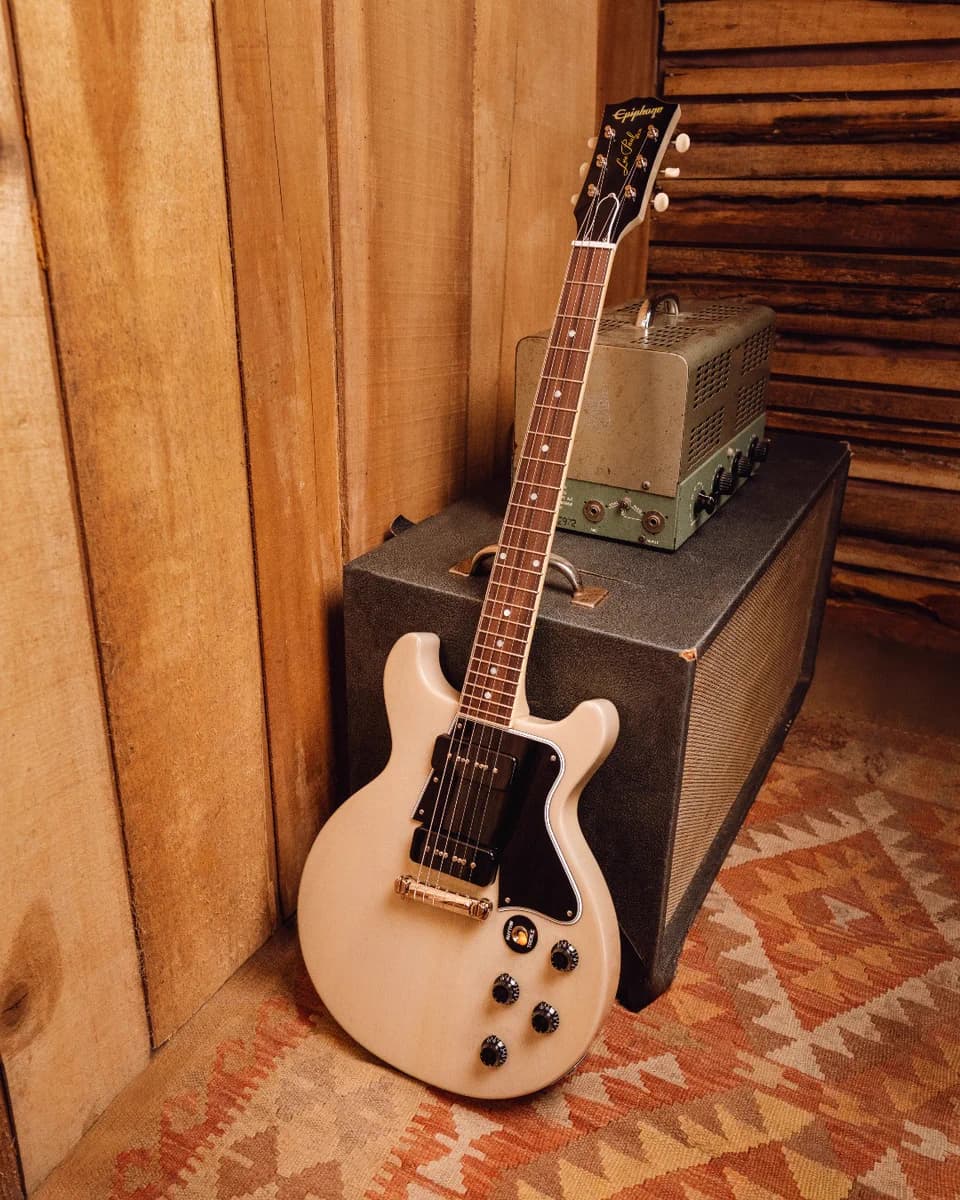
Paul Rodgers helped Jimmy Page rediscover the guitar after grief
Paul Rodgers helped Jimmy Page back to the guitar after two years of silence, turning grief into The Firm and a new post-Zeppelin chapter.
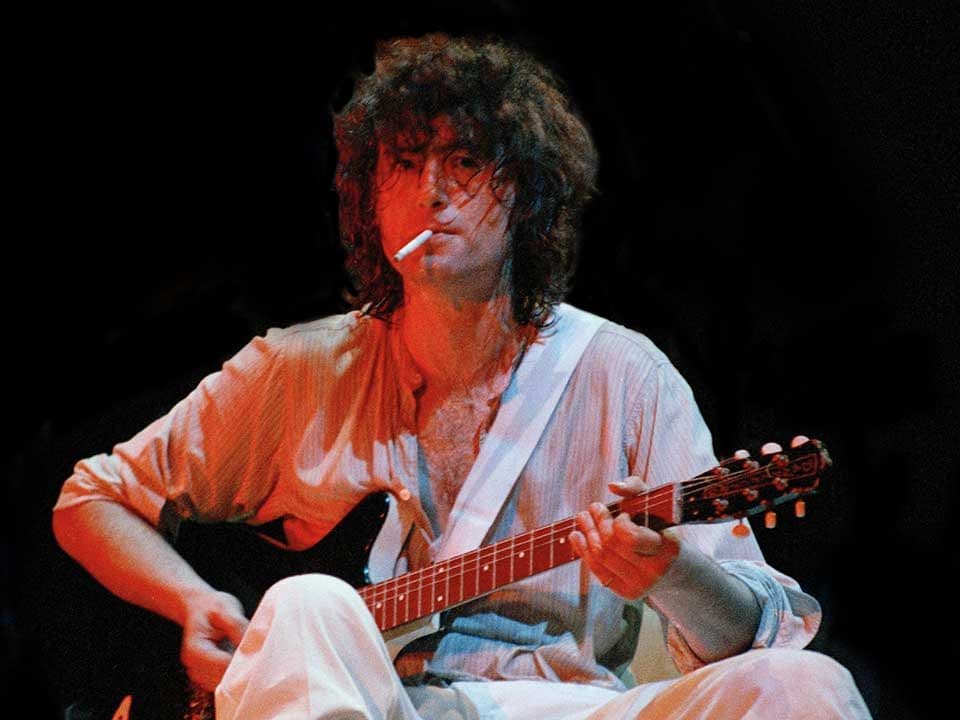
Paul Rodgers helped pull Jimmy Page back toward the guitar after John Bonham’s death left the Led Zeppelin guitarist locked in a long stretch of emotional shutdown. Page had not picked up the instrument for two years, and even casual talk about guitars around him could be a dangerous subject in that period.
John Bonham died on September 25, 1980, and Led Zeppelin formally ended on December 4, 1980, with the band saying it could not continue after the loss of its friend. That breakup was more than a line in rock history. For Page, it marked the point where the guitar stopped feeling like a working tool and started feeling like a burden he could not face.
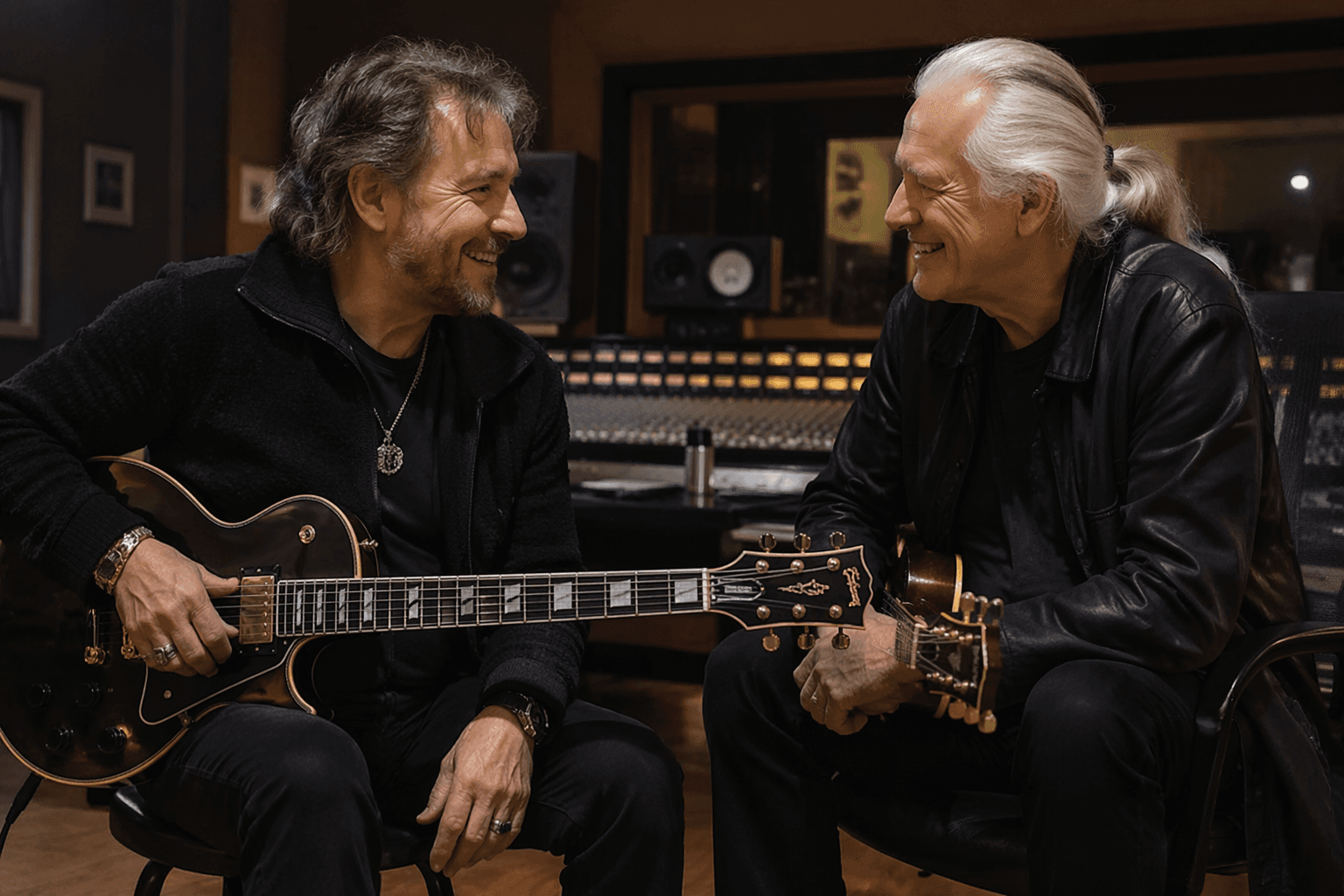
Rodgers, who knew the terrain of hard rock from Bad Company and Free, did not heed the warnings from people who told him to stay away from asking Page to play. Instead, a casual encounter and a practical musical nudge helped break the freeze. Rodgers later described Page as being in a state of deep introspection, or, as he put it, “out of it” after Zeppelin ended. Page himself has said there was a period after Bonham’s death when he hadn’t touched a guitar for ages.
That mattered because the first real return was not a solo reinvention but a collaboration. In 1984, Page and Rodgers formed The Firm with drummer Chris Slade and bassist Tony Franklin. The group released two albums, in 1985 and 1986, and its best-known song was “Radioactive.” For Page, that band became the first major post-Zeppelin outlet that got him back into the act of making music again, not just thinking about it.
The story lands because it is not really about nostalgia, or even about a famous lineup. It is about one musician recognizing when another has gone quiet around his own instrument, and stepping in at the right moment. Page’s return to the guitar did not begin with a grand announcement or a carefully planned career move. It began with Rodgers, a conversation, and a push that helped turn grief into playing again.
This article was produced by Prism’s automated news system from verified source data, official records, and press releases, then run through automated quality and moderation checks before publishing. The system is built and supervised by the people who set the standards it runs under. Read our full AI policy.
Did this article answer your question?