Abita Brewing Plans to Double Production Capacity in Its 40th Year
Abita president Troy Ashley put the 2026 production target at 170,000 barrels, more than double the brewery's 2023 output, as the Louisiana craft original turns 40.
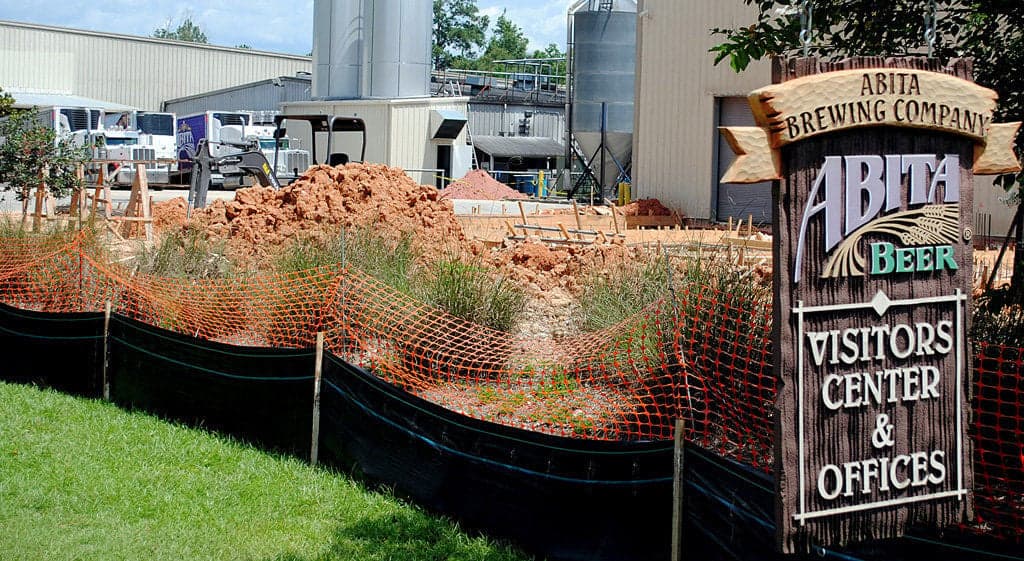
Abita Brewing Company is targeting 170,000 barrels in 2026, nearly double its recent annual output and, if achieved, the Louisiana brewery's largest production year in decades. President Troy Ashley has tied that goal to the brewery's 40th anniversary, framing it as the most aggressive capacity push Abita has made since the mid-2010s craft boom.
The numbers put the scale in context. The Brewers Association counted Abita at more than 79,000 barrels in 2023. The Louisiana craft brewery's forecast for 2026 is 170,000 barrels, nearly double its previous annual output. Reaching that mark means more than doubling from the 2023 baseline, and the infrastructure to do it has been in place since 2015: a three-year, $30 million expansion of the brewery increased its capacity to 400,000 barrels. The brewery utilizes a 200-barrel Steinecker brewhouse and Krones packaging line.
Part of the volume jump comes from an expanded beverage platform Abita is formally launching this year. Abita currently makes beer, spirit-based and malt-based RTDs, seltzers, and sodas, and has been accepting co-packing clients for outside brands. A 200-barrel system cycling through contract batches between its own brand runs accumulates barrels quickly, and the 170,000-barrel target reflects total facility output across all of those categories.
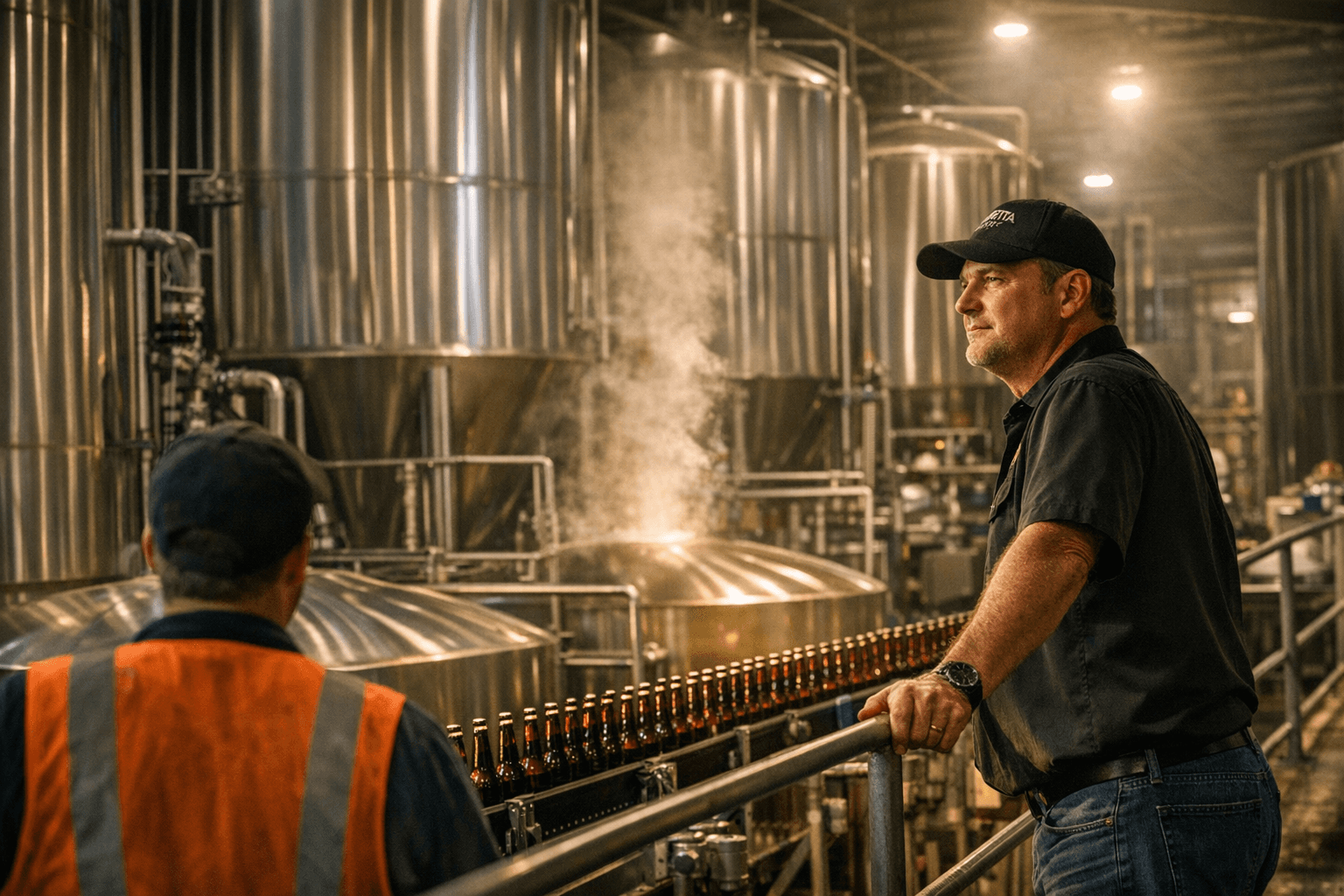
What that ramp means for Abita drinkers is straightforward. Year-round flagships like Amber, Purple Haze, and Turbodog Ale have a better chance at consistent availability when a brewery is not running hard against its fermentation ceiling. Seasonal releases, which often get cut first when capacity tightens, have more room to survive in a schedule that has real headroom.
The harder question is whether quality holds at scale. Abita's most fundamental asset is its water. Abita uses the Southern Hills Aquifer, an underground river beneath Abita Springs, that requires no chemical treatment. Water makes up 94 percent of beer, and protecting that profile across 170,000 barrels of production requires precision that compounds with every additional brew cycle. Abita uses only British and North American malted barley, German and American yeast strains, and Pacific Northwest hops alongside that aquifer water, and sourcing all of it consistently at twice recent volume is a procurement challenge that sits on the production team's plate before a single grain hits the mash tun. Hop contracts are the sharpest pressure point: Pacific Northwest varieties anchor Abita's IPA program and provide bittering across the line, and forward purchasing commitments need to be locked well before brew day. Spot-market pricing has punished mid-sized breweries that have skipped that step. How Ashley and the production team have addressed malt sourcing, yeast management, and hop procurement at 170,000-barrel throughput will determine whether what ends up in those barrels tastes like the beer that built Abita's reputation.
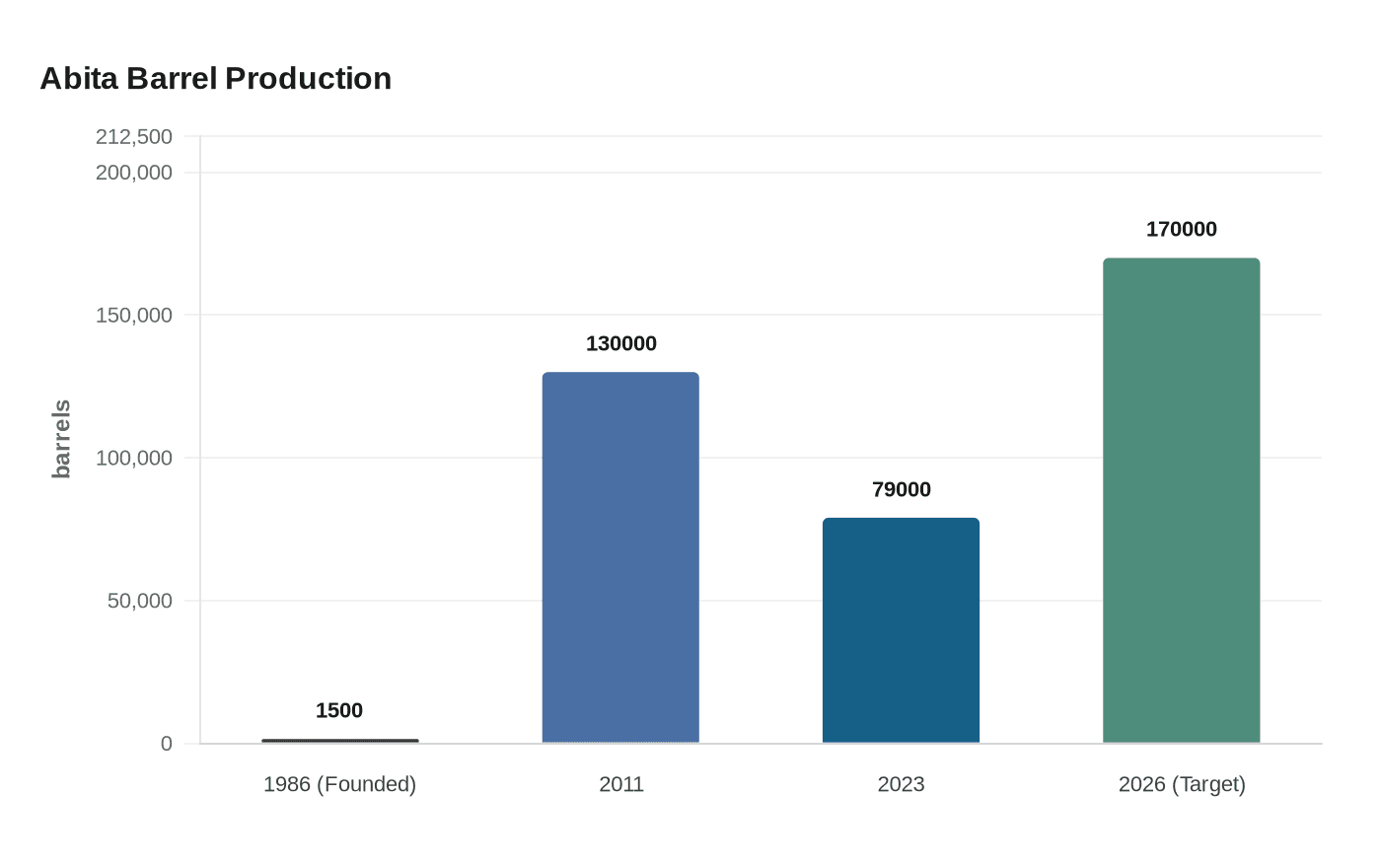
Abita was founded by Jim Patton and Rush Cumming in 1986 as a 1,500-barrel microbrewery in downtown Abita Springs, the first craft brewery to open in the Southeast. In 2011, Abita brewed over 130,000 barrels of beer before the broader market correction pulled output back. A 170,000-barrel target in its 40th year positions the brewery to clear its historical highs; whether the brewing process travels intact through that arc is the bet worth watching.
This article was produced by Prism’s automated news system from verified source data, official records, and press releases, then run through automated quality and moderation checks before publishing. The system is built and supervised by the people who set the standards it runs under. Read our full AI policy.
Did this article answer your question?