Bill C-262 would open Canada Post for direct-to-consumer beer shipping
Dan Albas’s C-262 would force Canada Post to carry interprovincial beer orders, but provincial rules, shipping costs and carrier logistics still stand in the way.
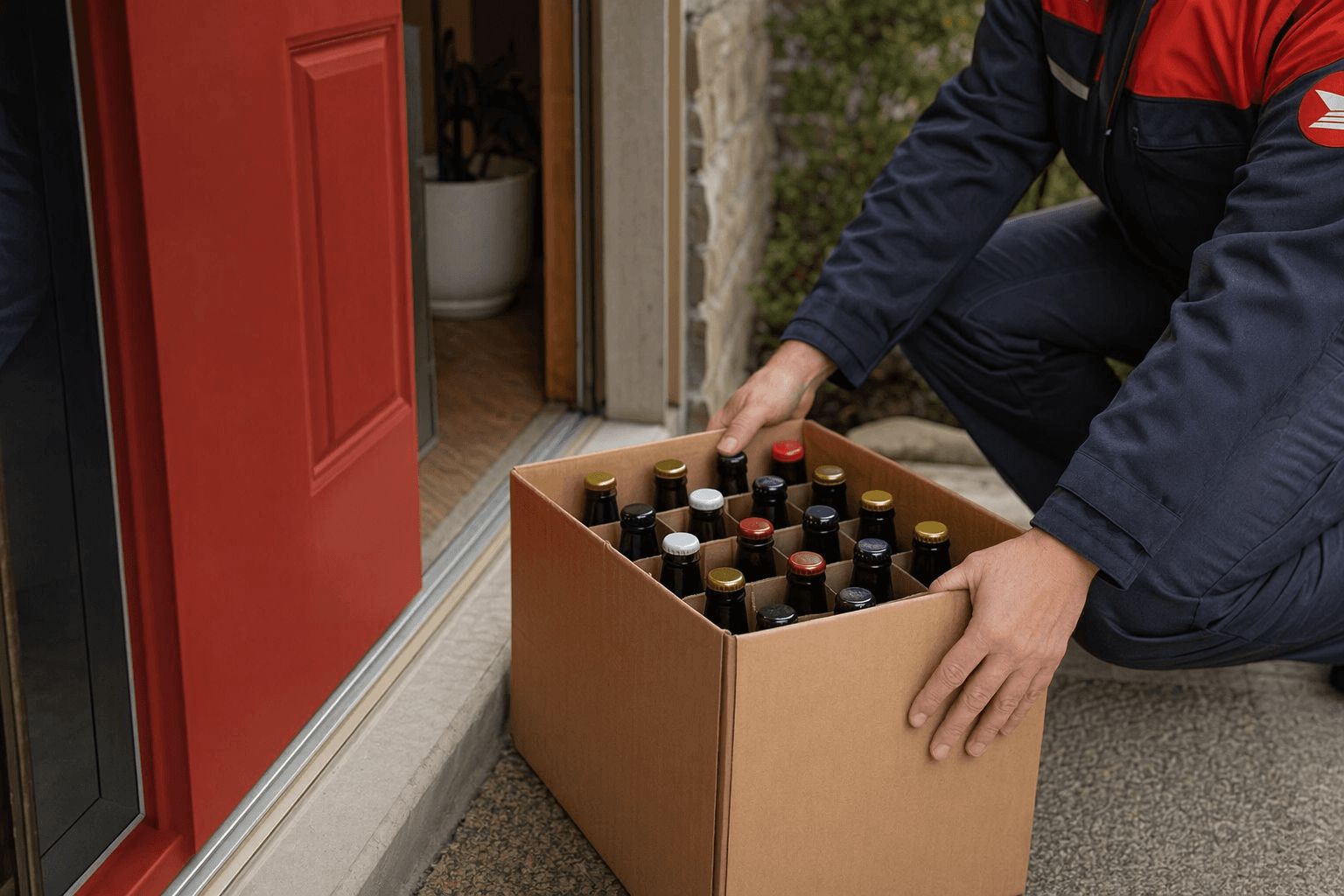
A private member’s bill from Dan Albas would put Canada Post at the center of direct-to-consumer beer shipping, giving small breweries a new route to market if provinces can keep loosening their alcohol rules and the logistics pencil out.
Bill C-262 was introduced in the House of Commons on March 9, 2026. It would amend the Canada Post Corporation Act so Canada Post could not refuse interprovincial direct-to-consumer delivery of beer, wine or spirits, while also creating a trusted-carrier exception and requiring the minister to publish and update the list of carriers. Some provisions would take effect three months after royal assent, while others would not kick in until one year later.
The pitch lands in a country that is already inching toward easier alcohol access, but not in a straight line. Ontario and Nova Scotia signed a first-of-its-kind direct-to-consumer alcohol agreement on March 2, 2026, covering breweries, wineries and distilleries. Ontario said consumers had previously been limited to the LCBO listing system, the LCBO Private Ordering Program, or hauling product home themselves. Ontario and Manitoba also signed an MOU that included direct-to-consumer alcohol sales, and Ontario said interprovincial trade between the two provinces was worth $19.5 billion in 2021. British Columbia and Alberta reopened direct-to-consumer B.C. wine sales to Alberta in July 2024, while Newfoundland and Labrador remained an outlier by not signing onto the national framework.
For the wine side of the business, the policy debate has been going on for years. Wine Growers Canada says it has pushed the issue for two decades, and it points to Parliament’s passage of Bill C-311 in 2012, which allowed Canadians to order wine from wineries in other provinces for personal use, subject to provincial law. Even with that change, Wine Growers Canada says only 20% of Canadians in three provinces can currently order wine from any wine-producing province and have it delivered home.
The upside is not small. Wine Growers Canada says the Canadian wine sector includes more than 600 grape wineries and 1,900 grape growers, and that wineries attract 4.2 million tourist visitors annually. British Columbia says its wine industry includes about 350 grape wineries, generates roughly $3.75 billion a year, contributes more than $440 million in tax revenues and employs more than 14,000 full-time workers.
Still, the friction is obvious. In November 2025, CBC reported that some alcohol-industry stakeholders were disappointed when booze was left out of a broader interprovincial trade deal, even as provinces said they would simplify direct-to-consumer alcohol sales by the next spring. Henderson Brewing Company in Toronto called that omission “hugely disappointed,” and skeptics continue to question whether a national system run through Canada Post and trusted carriers can actually work cleanly across provincial rules, liquor board systems and fulfillment costs. That tension is exactly where C-262 now sits: big promise for consumers and independent producers, but a long road before beer can move as freely as the bill’s supporters want.
This article was produced by Prism’s automated news system from verified source data, official records, and press releases, then run through automated quality and moderation checks before publishing. The system is built and supervised by the people who set the standards it runs under. Read our full AI policy.
Did this article answer your question?