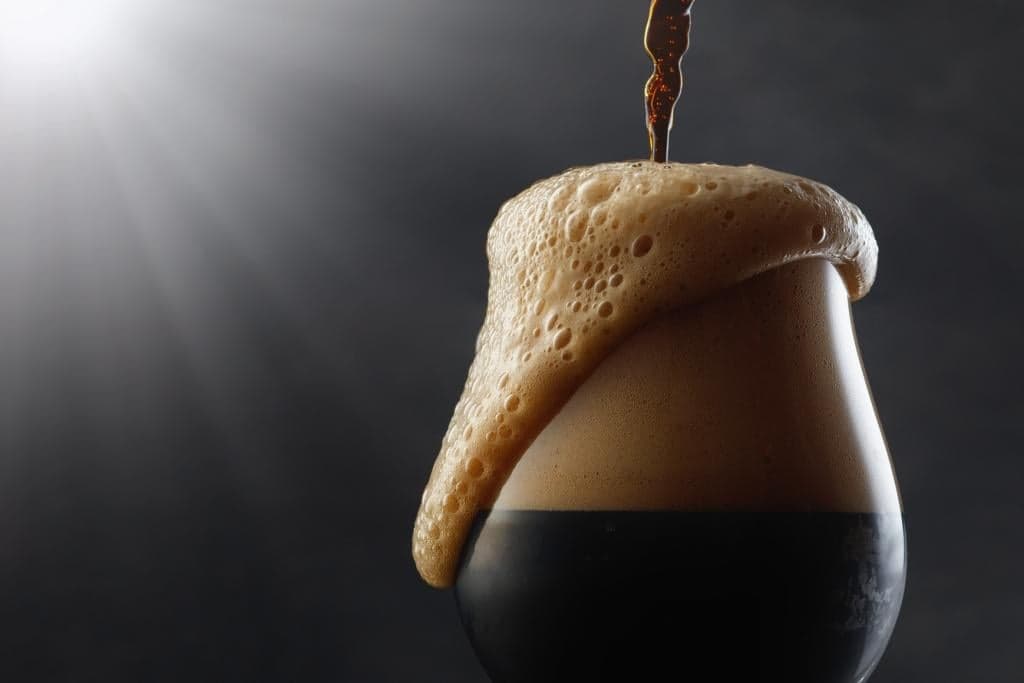
Bowtied Trappist explains water chemistry for better homebrewing beers
Bowtied Trappist’s water-chemistry playbook says the biggest homebrew gains come from fixing water first, then making only a few mineral moves.

Start with the water, not the recipe
Bowtied Trappist’s advice lands on the simplest homebrew truth that gets ignored the longest: water is not a background detail. The Brewers Association says water quality affects beer quality, and its beer-style guidelines have been a reference point for brewers and competition organizers since 1979, with the current page carrying a 2026 edition. In other words, the industry keeps circling back to the same lesson, because it keeps paying off.
The practical move is not to become a chemistry obsessive overnight. It is to stop tweaking recipes until you know what your water is doing. John Palmer and Colin Kaminski’s *Water: A Comprehensive Guide for Brewers* treats water as a brewing system, covering sources, quality, geography, style adjustments, residual alkalinity, malt acidity, mash pH, and wastewater treatment. That framing matters because water is the one ingredient that can quietly help or sabotage everything else in the kettle.
The smallest number of changes that make the biggest difference
For most homebrewers, the useful water moves are narrow and concrete. *How to Brew* says brewing water can be adjusted with salts to create proper mash conditions, and it stresses that the salts need to be readily soluble, such as calcium chloride or calcium sulfate. That is the heart of the decision-making guide: if your water needs help, reach first for a small number of predictable tools instead of a pantry full of minerals.
Calcium chloride and gypsum do the heavy lifting in most cases. Brew Your Own says calcium chloride pushes beer toward a rounder, maltier impression and slightly reduces the perception of sweetness, which is why it is so often recommended for dark beers. The same source says Scotch ales really benefit from some calcium chloride, which makes sense when you want richness without making the beer taste muddy.
Gypsum, which MoreBeer! identifies as calcium sulfate, is the other common lever. It adds calcium ions and permanently hardens brewing water, which is why it shows up so often in pale, hop-forward beers where brewers want a firmer edge. If you want hops to pop, sulfate is usually the mineral people are reaching for. If you want malt to feel fuller and rounder, chloride is usually the better first step.
When RO or distilled water is worth the trouble
Reverse-osmosis water is worth considering when your tap water is fighting you before the recipe even starts. *How to Brew* says that for pale beer with high-carbonate, low-calcium water, a brewer’s best bet may be bottled water or a distilled-water dilution, then gypsum or calcium chloride added back in. That is the cleanest practical answer for water that is difficult to tame, because it lets you start from a blank slate and rebuild only what you need.
That approach is especially useful when the tap water is heavily mineralized, highly carbonated, or otherwise stubborn. Instead of trying to correct a messy profile one number at a time, you dilute the problem down and rebuild with a known target in mind. For a lot of homebrewers, that is the moment water stops being mysterious and starts being repeatable.
Style touchstones still help, but they are guides, not cages
Classic regional water profiles remain useful because they give brewers a rough flavor target. Braukaiser.com describes Burton-on-Trent water as high in sulfate and calcium, which is why it has long been the benchmark for pale ales. It also describes Pilsen water as notably lacking in calcium and alkalinity, which is why it became the classic reference for pilsners. Those two places still anchor a lot of water talk because they represent two very different brewing outcomes from two very different waters.
But the old-style logic should be used carefully. A Braukaiser paper on mash pH warns that residual-alkalinity rules are often applied incorrectly and that mash pH depends on more than residual alkalinity alone. That is the big correction for homebrewers who have heard one clean rule and turned it into a law. Water chemistry is useful precisely because it is not a single-number game.

So yes, use Burton as a guide when you want a sharper pale ale profile. Use Pilsen as a reminder that very soft water can support delicate lager character. But do not treat either one as a magic formula. The mash still has to work, and the beer still has to taste like the beer you wanted to make.
A practical way to think about mineral additions
The cleanest homebrew water decisions usually come down to three moves:
- If the water is already close, make only a small adjustment with calcium chloride or gypsum.
- If the water is hard, high-carbonate, or low-calcium and the beer is pale, dilute with distilled or RO water first.
- If you need sulfate for a crisper profile, use gypsum; if you need chloride for a fuller, maltier feel, use calcium chloride.
MoreBeer! adds one more mineral worth knowing, Epsom salt, which contributes sulfate and magnesium and is often used at about half the levels of gypsum. That makes it a supporting player, not the first thing to dump into the kettle. The mistake many brewers make is treating every mineral as equally useful in every recipe. They are not.
The biggest errors are usually the most seductive ones: adding too many salts because the water spreadsheet looked empty, or chasing residual alkalinity numbers while ignoring the rest of the mash environment. Calcium chloride can help a stout lean richer, gypsum can sharpen a pale ale, and RO water can rescue a difficult municipal profile. But piling on minerals without a flavor goal tends to make beer less clear, not more precise.
The real upskill is restraint
Bowtied Trappist’s point is not that every brewer needs to become a water lab. It is that water is the highest-leverage place to improve beer once the basics are in place. The Brewers Association has been teaching that lesson for decades, and the style guidelines it keeps updating through 2026 still sit on the same foundation: some beers want more sulfate, some want more chloride, and some want the brewer to get out of the way and let the water be soft.
That is why water chemistry feels like an advanced skill. It is not because it is exotic. It is because the most useful move is often the most restrained one. Fix the water first, make the fewest mineral changes that actually serve the beer, and let the recipe breathe after that.
This article was produced by Prism’s automated news system from verified source data, official records, and press releases, then run through automated quality and moderation checks before publishing. The system is built and supervised by the people who set the standards it runs under. Read our full AI policy.
Did this article answer your question?