Chefs in Kenya cook with craft beer for richer flavors and crispier dishes
Kenyan chefs are using craft beer to sharpen batters, sauces and marinades, and the shift is creating new pairing and collaboration opportunities for brewers.
Beer is moving from beverage to building block
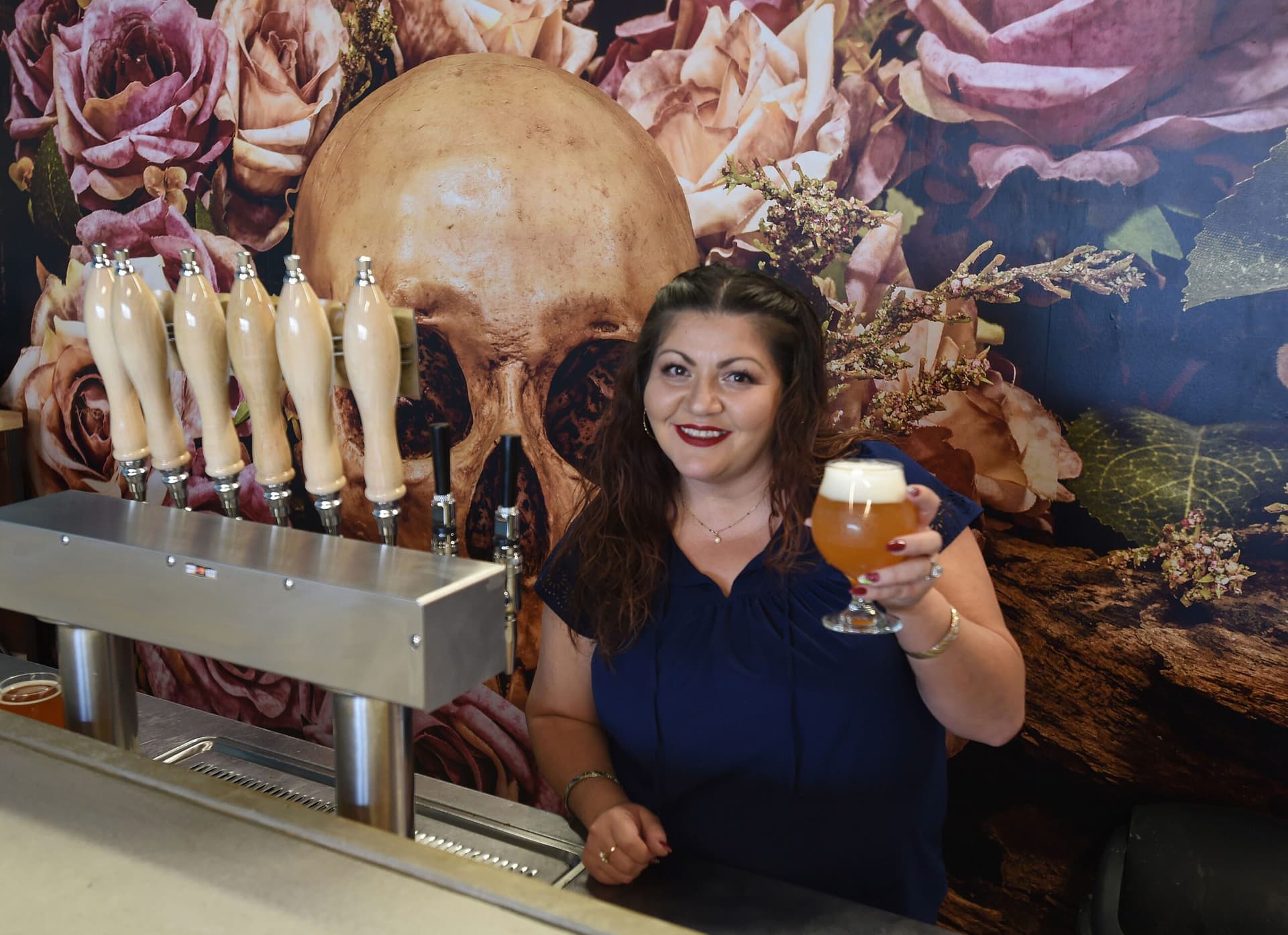
Stephanie Mwende is pushing craft beer out of the glass and into the pan, using it as a kitchen ingredient for richer flavours and crispier dishes. That move says a lot about where Kenya’s beer scene is headed: not just toward what people drink, but toward how brewers, chefs and hotels can build new flavor experiences around the pint.
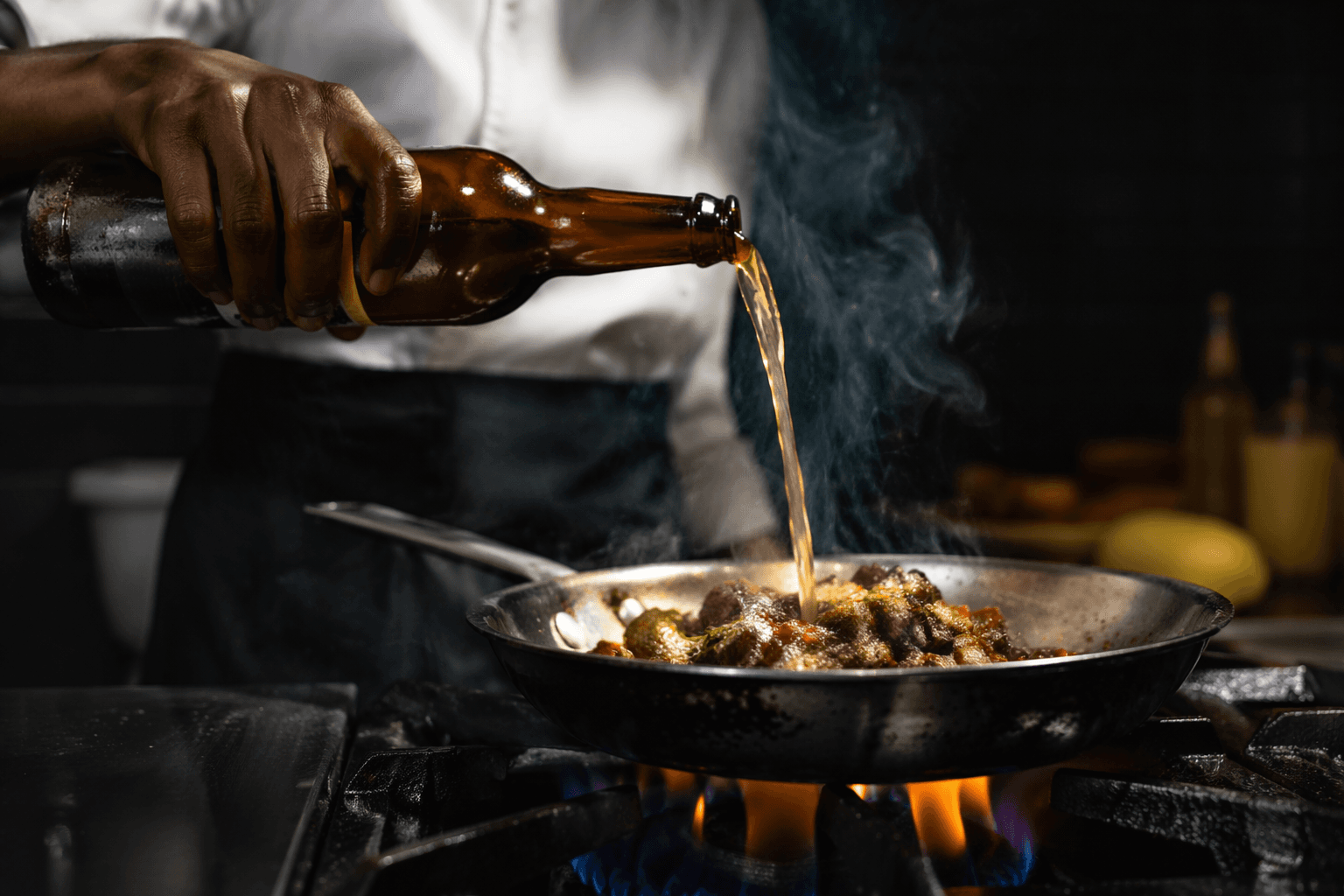
The practical appeal is easy to see. Beer brings malt depth, gentle bitterness and body to sauces and marinades, while its bubbles help give batter and fried food a lighter, crisper finish. In a kitchen, that means beer is most useful when you want flavor that survives heat and texture that still feels sharp at the table.
What survives in the pan
Not every part of a beer carries through cooking in the same way. The most noticeable traits are the ones tied to malt and balance, which can deepen a glaze, round out a sauce or keep a marinade from tasting flat. Carbonation is more important before the heat hits, especially in batters, where the lift helps create that crisp finish Mwende is after.
Aroma is trickier, because some of the most delicate hop notes and volatile scents fade quickly once the pan gets involved. That is why beer works best in dishes where you want structure and weight first, then layered flavor second. If you are brewing for food, think less about making the beer louder and more about making it more stable in the kitchen.
Choosing the right beer for the right dish
Style matters, and the Kenyan market gives you a useful clue. Niaje Lager, which 254 Brewing Co. rebranded from Ni How in February 2022, points to the kind of clean, food-friendly beer that can sit easily beside lighter dishes or fried foods. Lagers are often the safest starting point when you want crispness without overpowering the plate.
Malt-forward beers can go further in sauces, braises and reductions, where sweetness and toast notes have room to matter. More assertive beers can still work, but only when the dish can handle them. For homebrewers, that means the recipe should match the menu: a batter beer should be bright and clean, while a sauce beer can afford more color, body and residual character.
Why Kenya’s food-and-beer moment matters
The story lands in a market where craft beer still has room to grow. In 2022, craft beer drinkers accounted for about 1 percent of Kenya’s beer drinkers, while East African Breweries Limited held about 90 percent of the market. That gap helps explain why beer-and-food pairing is becoming such a useful discovery tool, especially for premium consumers looking for something beyond the standard pint.
One of the clearest examples came when 254 Brewing Co. hosted a craft beer pairing at Noir Gallery in Nairobi. The pairing format matters because it gives drinkers a guided way to understand what craft beer can do with food, not just as a standalone beverage but as part of a meal. In that same 2022 coverage, the pairing principles were explained by a cicerone, which reinforces how much of this movement depends on education as much as flavor.
A scene that has been building for years
This is not a sudden experiment. Back in 2016, there were only three craft beer makers operating in Kenya: Sirville, Sierra Lounge and Brew Bistro. At the time, brewing a craft beer brand could take a minimum of 14 days, with about seven days of fermentation and a similar period of maturation, which is a reminder that even a small-batch beer takes planning before it reaches a table.
That longer timeline matters for collaboration. If you are a brewer, a taproom operator or a homebrewer trying to work with chefs, you cannot treat beer like an instant ingredient. The lead time means menus, tastings and launch events need to be coordinated in advance, but it also gives the beer room to be designed with food in mind instead of being an afterthought.
Hotels and festivals are already treating beer like a kitchen ingredient
The crossover is now visible beyond breweries and pairing nights. In late 2024, Fairview Hotel joined Tusker Beer Fest for a beer-inspired Kenyan cuisine event curated by Executive Chef Rami Saloum. Beer was not just beside the meal there, it was part of the menu logic, running from cocktails to desserts and making the drink a visible part of the kitchen’s creative language.
That kind of collaboration gives Kenyan hospitality a bigger playbook. A hotel kitchen can build a tasting menu around a brewery, a beer festival can extend into food service, and a taproom can turn a one-off pairing into a repeatable draw. For brewers, it is a chance to show that a beer can be useful in more than one setting, while for chefs it creates a new ingredient that feels local, familiar and still surprising.
What the professional side already knows
Cicerone’s advanced and master-level beer training treats food pairing as part of serious beer expertise, and candidates can even be tested on modifying dishes or incorporating beer into food preparation. That is a strong sign that beer-in-the-kitchen is not a novelty move, but a recognized part of beer literacy at the professional level.
For brewers and homebrewers, the opportunity is clear. If a beer can earn a place in a batter, a sauce, a cocktail or a dessert, it can also earn a place in taproom programming, chef collaborations and dinner events. The strongest beers for food are not always the boldest ones; they are the ones that keep their shape when heat, salt and sweetness start working on them.
Stephanie Mwende’s approach shows how far beer can travel once it leaves the glass. In Kenya, that journey now runs from the brewery to the hotel kitchen, and from the pairing table to the homebrew kettle, where the next useful beer may be the one designed to cook as well as to pour.
This article was produced by Prism’s automated news system from verified source data, official records, and press releases, then run through automated quality and moderation checks before publishing. The system is built and supervised by the people who set the standards it runs under. Read our full AI policy.
Know something we missed? Have a correction or additional information?
Submit a Tip