Craft Beer Embraces Low-Fizz Beers, Focusing on Texture and Mouthfeel
Craft beer is finding flavor in quieter bubbles. Brewers are using less fizz to spotlight softness, body, and a smoother finish.

Texture is becoming the headline
Craft beer is learning to speak in a softer register. Instead of chasing the biggest burst of carbonation, some brewers are building beers around texture, body, and a rounder palate weight, the kind of drink that feels plush rather than prickly. That shift matters now because the Brewers Association says U.S. craft brewer volume sales fell 4% in 2024, even as retail dollar sales rose 3% to $28.8 billion, a reminder that brewers are being pushed to differentiate with experience as much as with volume.
The most interesting part is that this is not a rejection of carbonation so much as a rebalancing of it. Beer style guidance from the Brewers Association and sensory language from CraftBeer.com both treat carbonation, body, and texture as core parts of the drinking experience, and that gives low-fizz beers a real place in the modern taproom. When the bubbles ease back, malt sweetness, hop shape, yeast character, and even water feel more exposed on the tongue.
Why less fizz can mean more flavor
Low- and no-fizz beers work because carbonation is not just decoration. CraftBeer.com notes that a beer’s flavor profile comes from the combination of carbonation, hops, malt, water, and yeast, and its sensory guidance separates textures, body, and carbonation as distinct characteristics. In practical terms, that means a beer can taste brighter, sharper, or more aggressive when the bubbles are higher, while a quieter pour can feel denser, softer, and more integrated.
A 2025 academic study reinforced that point by showing carbonation-related properties such as bubble size and sting are sensorially perceivable and influence mouthfeel. That is a useful reminder for anyone brewing at home or ordering at the bar: the fizz is part of the recipe for how a beer lands, not just how it looks in the glass. A beer with less CO2 can seem fuller and more settled, especially when the goal is comfort and drinkability rather than snap and sparkle.
Old traditions, new relevance
This trend may feel modern, but it has deep roots in cask-conditioned and real ale traditions. CAMRA defines real ale as beer matured in the container from which it is dispensed and served without extraneous carbon dioxide, and its guidance says well-kept real ale should be served at between 11 and 13°C. That serving window matters because it keeps the beer lively without pushing it into aggressive fizz, preserving a softer, smoother impression.
CAMRA also describes cask-conditioned beer as something that requires special handling and storage to be consumed at its best, which is part of the appeal. The beer is not trying to dazzle with carbonation; it asks for attention to cellar practice, temperature, and dispense. In a crowded craft market, that kind of restrained presentation feels newly valuable because it turns texture into a point of craftsmanship.
Where low-fizz beers shine
Low fizz is not an all-purpose answer, but it is a powerful tool in the right style and serve. Real ale is the clearest example, where natural carbonation and a careful cellar pull create a pint that feels supple rather than sharp. That softer carbonation can also help beers whose appeal depends on balance and drinkability more than explosive aroma.
What to look for in the glass:
- A softer first sip rather than a sharp, prickly hit
- A fuller mid-palate, with malt or yeast character carrying longer
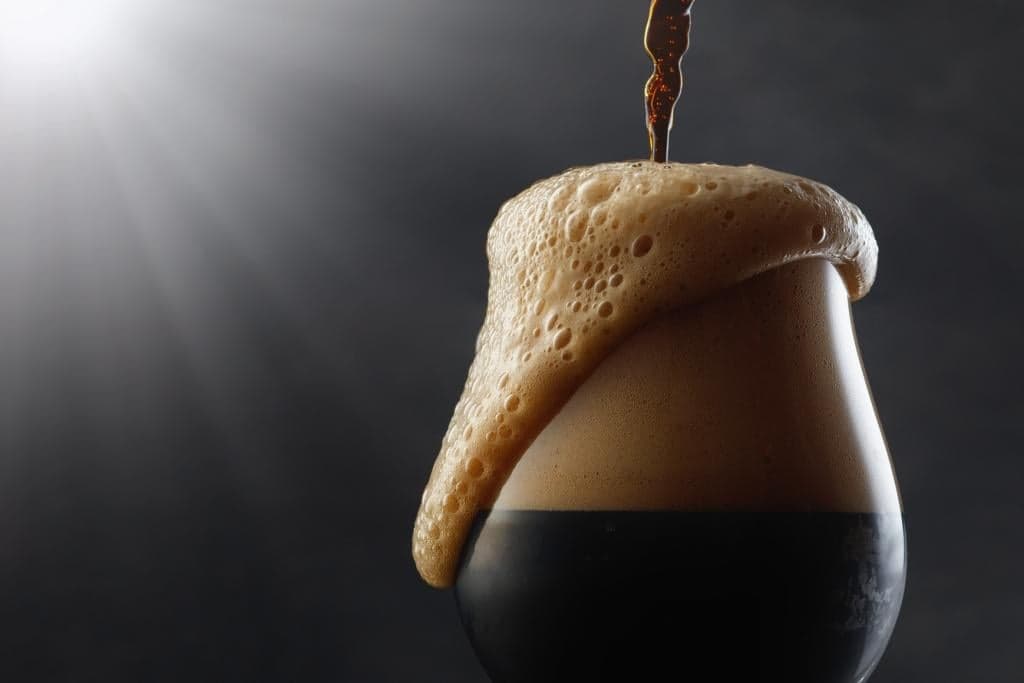
- Less foam aggression and a smoother finish
- Serving temperatures that let the beer open up, especially in the cask-ale range of 11 to 13°C
- Descriptions that emphasize body, texture, or mouthfeel alongside flavor
For drinkers, that means paying attention to how a beer feels as much as what it smells like. A well-kept real ale from a pub’s cellar can feel almost different species from the same recipe forced into a highly carbonated serve, because the bubbles change the way sweetness, bitterness, and aroma arrive together.
What this means for brewers
For brewers, low carbonation is becoming a design choice rather than a compromise. It gives you another way to shape a beer’s identity, especially when the market is softer and the pressure to stand out is higher. The Brewers Association’s 2024 numbers show craft still commands serious dollar sales, but the volume decline suggests drinkers are being more selective, which makes texture a useful signature.
That opens the door for beers built around mouthfeel-first thinking. A brewer who wants a smoother pour can tune carbonation to make malt feel rounder, hop bitterness seem less angular, and yeast expression sit more naturally in the glass. The result is not a bland beer. Done well, it is a beer with more presence where the tongue actually lives.
What homebrewers can learn from the low-fizz shift
If you brew at home, this trend is worth trying because it gives you immediate feedback in the glass. Lower carbonation can make recipe changes easier to notice, especially if you are working with a malt-forward ale or a beer where you want softness instead of bite. It also teaches you how much perceived flavor changes when the bubbles stop shouting over everything else.
A few useful touchpoints:
- Brew or serve a real-ale-inspired beer and focus on keeping the carbonation restrained
- Compare the same recipe at different carbonation levels to feel how the finish changes
- Pay attention to temperature, because the serving range can change how texture reads
- Judge the beer on body and balance, not just aroma intensity or bitterness
That kind of tasting sharpens your palate fast. Once you start noticing how bubble size, carbonation sting, and temperature alter a beer’s shape, you begin to understand why so many brewers are treating texture as a selling point rather than a side effect.
The softer pour is not a retreat
Craft beer has spent years arguing that boldness has to mean louder hops or higher ABV, but the low-fizz movement pushes back on that assumption. A beer can be memorable because it is smooth, tender, and precise. In a market where volume is down and differentiation matters, that kind of quiet confidence may be exactly what keeps certain beers in the rotation.
The fizz is not disappearing. It is being edited, and in that edit, craft beer is rediscovering how much drama can live in a softer sip.
This article was produced by Prism’s automated news system from verified source data, official records, and press releases, then run through automated quality and moderation checks before publishing. The system is built and supervised by the people who set the standards it runs under. Read our full AI policy.
Did this article answer your question?