Easthampton's Abandoned Building Brewery Earns Green Recognition for Water, Energy Savings
Abandoned Building Brewery turns its heat exchanger runoff into cleaning water, one of four green moves that earned official EPA-backed recognition.
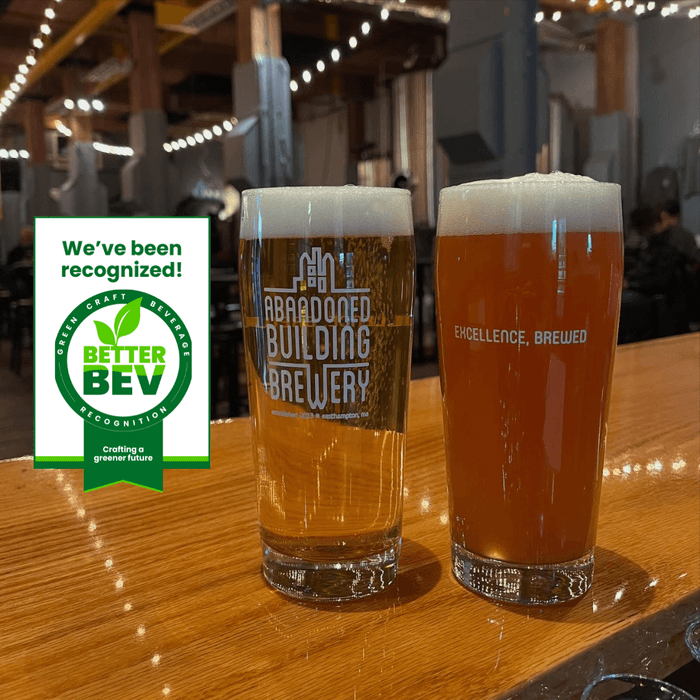
Matt Tarlecki's 15-barrel steam-powered brewhouse inside Easthampton's Brickyard mill earned official recognition as a "green beverage producer" last week from the BetterBev program, administered by the Energy Transition Institute at UMass Amherst through an EPA Pollution Prevention Program grant.
The designation came not from vague commitments but from four specific operational changes that cut Abandoned Building Brewery's consumption of water, CO2, energy, and packaging materials.
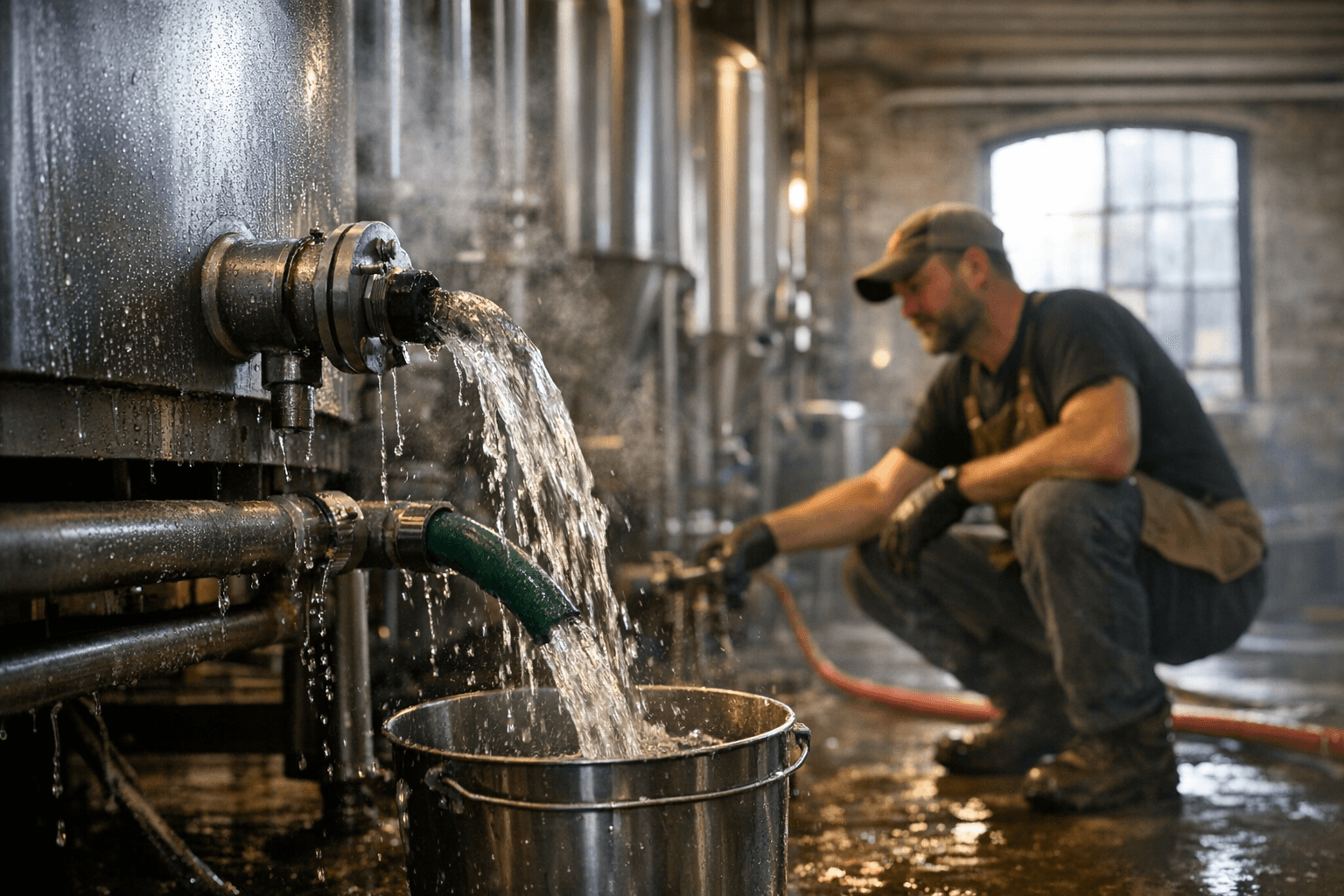
The most transferable move is water. After cold water runs through a heat exchanger to drop fermenting wort to pitching temperature, ABB captures that warmed rinse water and routes it to cleaning duty instead of discharging it to the sewer. In a 15-barrel brewhouse, that's a meaningful volume of water recovered on every single brew day rather than sent down the drain.
On CO2, ABB deployed BrewOps Purge technology to shorten purge times, directly reducing the volume of purchased gas needed to displace oxygen from serving vessels and bright tanks. CO2 is one of the more expensive consumables in any production brewery, and tighter purge management cuts both the gas bill and the associated emissions.
The insulation applied across the steam-heated brewhouse limits heat loss at the kettle and hot liquor tank, reducing the energy input required to hit strike temperatures and hold a rolling boil. Steam systems can run energy-intensive; systematic lagging of pipes and vessels brings those losses under control without changing a single recipe.
Supply chain consolidation rounds out ABB's recognized changes: bulk malt and grain arrives in super-sacks rather than smaller bags, reducing both packaging waste and the delivery emissions tied to more frequent, smaller orders.
The Brickyard space itself is part of the story. Tarlecki opened ABB in 2013 after converting a former plastic-bag manufacturing space in the Easthampton mill complex, receiving a Federal Brewer's Notice in October 2013 and a state Farmer-Brewery license the following month. The brewery has operated there since, producing American and Belgian-inspired ales within the same industrial footprint that gave ABB its name.
BetterBev has now recognized more than 30 beverage producers since 2023, with reach extending as far as Hawaii. The program grew out of a New Hampshire sustainable craft beverage initiative and received a second EPA grant of $350,000 in 2025 to expand into wineries, meaderies, and kombucha producers.
For homebrewers running a five-gallon setup, ABB's playbook compresses cleanly. A counterflow or plate chiller produces exactly the same heated runoff that ABB recaptures; redirect it into a bucket for equipment rinse-down or sanitizer prep and you've eliminated that draw from the tap entirely. CO2 discipline matters at homebrew scale too: purging a keg completely dry wastes a meaningful fraction of a tank; purging under a small positive pressure with a floating dip tube or a weighted relief valve gets the same result with a fraction of the gas. On the hot side, an insulated mash tun and a lid on a boiling kettle both cut the time and energy needed to hold temperature. And if your local homebrew shop accepts bulk orders, splitting a sack of base malt with a brew buddy eliminates the per-pound premium and the packaging that comes with a dozen smaller bags.
ABB's recognition shows the math works at production scale. The same logic holds in a garage.
This article was produced by Prism’s automated news system from verified source data, official records, and press releases, then run through automated quality and moderation checks before publishing. The system is built and supervised by the people who set the standards it runs under. Read our full AI policy.
Did this article answer your question?