Harper Lane Brewery earns green recognition for efficient, local brewing practices
Harper Lane Brewery won BetterBev recognition by running below Brewers Association benchmarks on water, energy and purchased CO2.
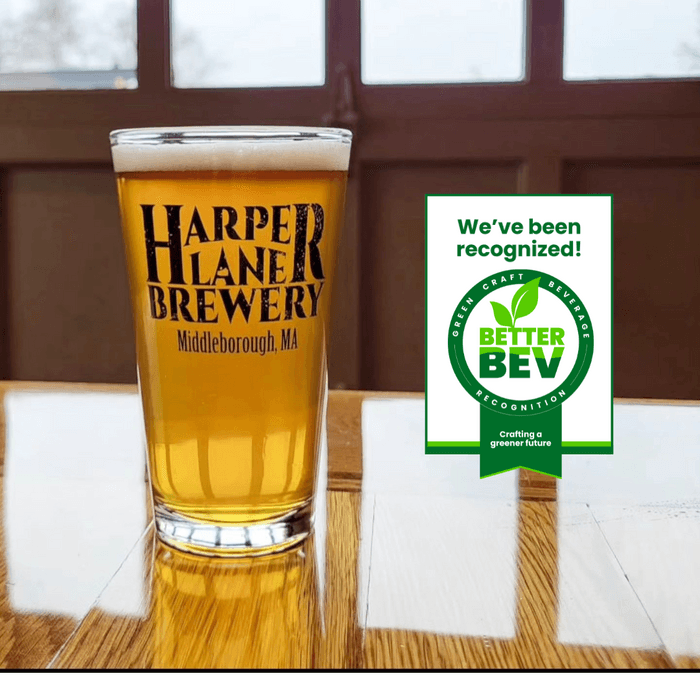
Harper Lane Brewery turned ordinary utility discipline into a public badge: the Middleborough brewery earned BetterBev Green Brewery Recognition after posting below-average water, energy and purchased carbon dioxide use against Brewers Association benchmark data. For a small brewery, that matters because the same habits that trim bills, such as efficient brewing, tighter packaging, and less waste, are now part of the brewery’s credibility, not just its back-of-house spreadsheet.
The recognition fits the way Harper Lane has been built from the start. Mike Pasalacqua, a lifelong Middleborough resident, founded the brewery in 2017 after spending about 22 years as an autobody technician. Harper Lane first operated as a tenant brewery before opening its own brewery and taproom at 16 Wareham St. in January 2024, and Pasalacqua has described the work as "70% cleaning, 30% brewing." That line is more than a brewer’s joke. It gets at why a program like BetterBev can measure real performance in a brewery where sanitation, process control and repetition drive both quality and resource use.
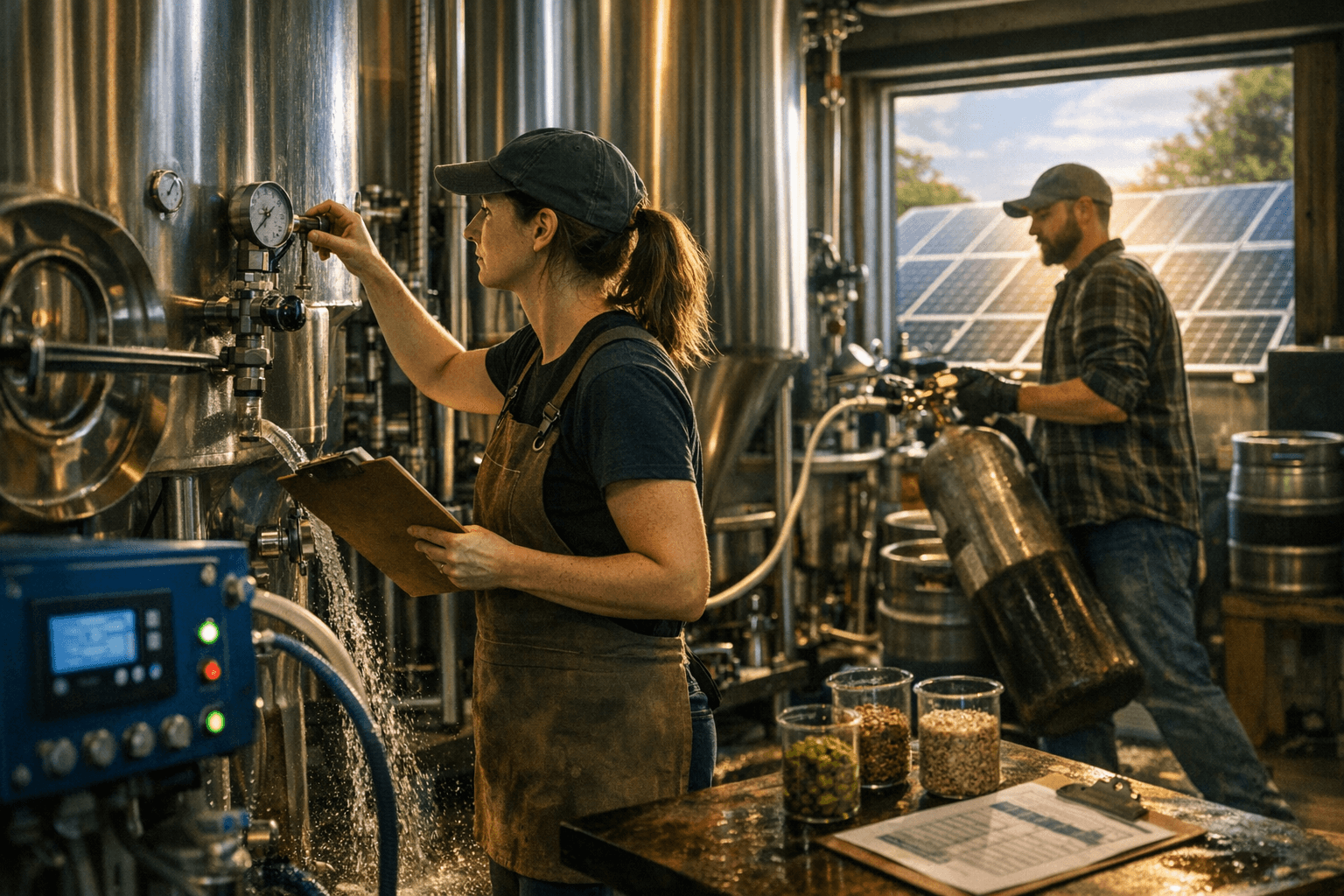
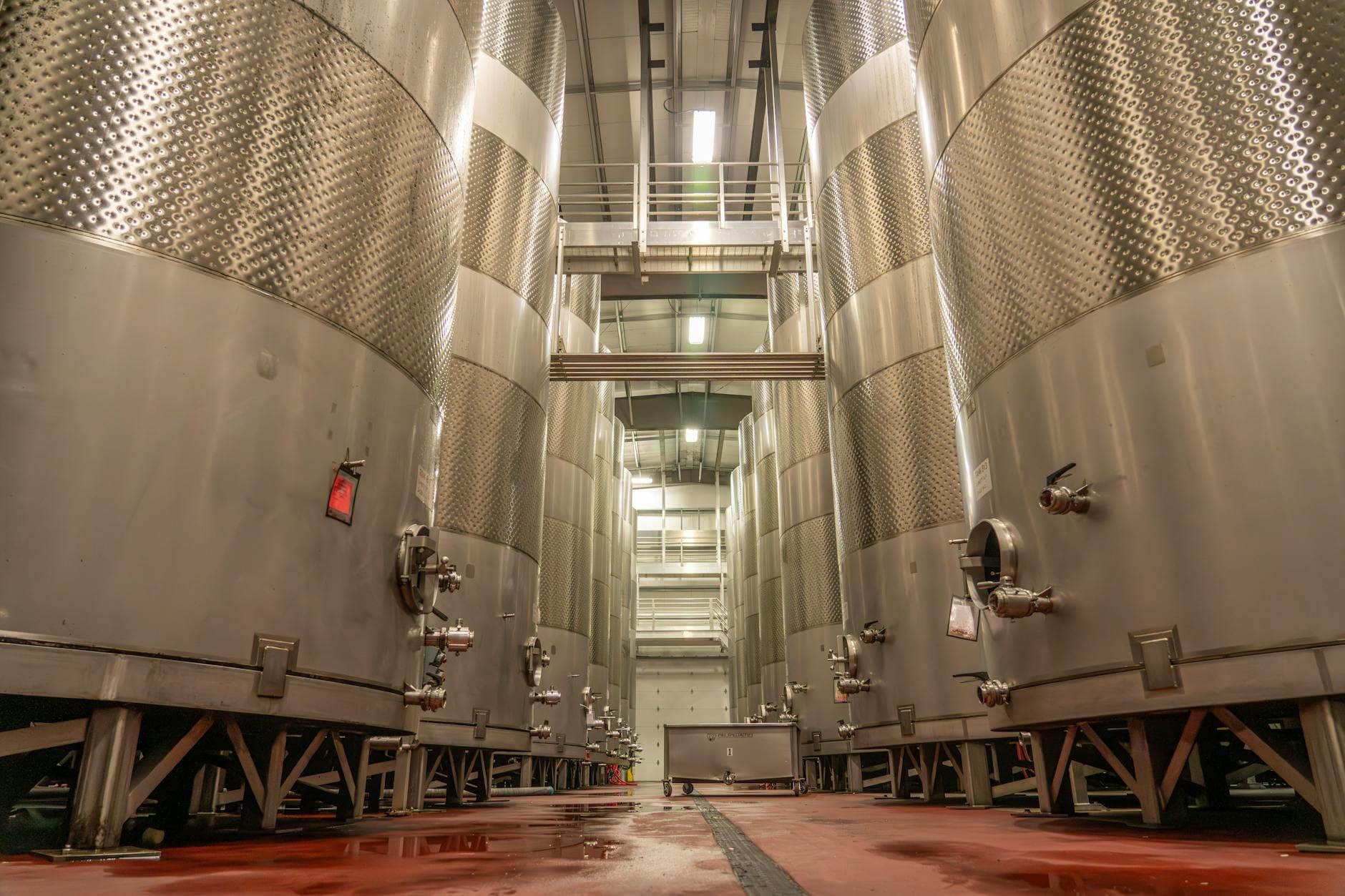
Harper Lane’s day-to-day choices line up with the recognition. The brewery runs an electric brewhouse, sources ingredients from Stone Path Malt in Wareham and Four Star Farms in Northfield, and sends spent grain to a local farm for animal feed. More than three-quarters of its beer is sold in the taproom or as cans to go, which cuts the carbon and cost tied to hauling beer farther afield and moving more packaging through the supply chain. Middleborough Gas & Electric says 99% of its electricity comes from renewable and nuclear sources, so the switch to electric brewing lands in a power mix that is already relatively low in fossil fuel intensity.
BetterBev was introduced in March 2024 as a New England coalition effort and is designed as a free recognition program, not a one-off trophy. Its technical assistance network operates in ten states, and the Energy Transition Institute at UMass Amherst provides no-cost sustainability consulting to New England beverage manufacturers through the U.S. Environmental Protection Agency’s Pollution Prevention Grant Program and in affiliation with BetterBev. The Massachusetts Brewers Guild says New England has more than 600 craft breweries, which helps explain why benchmarking water, energy, waste, and material inputs is becoming a business tool, not a branding flourish. Harper Lane’s recognition shows that the cleanest-looking wins in craft beer often come from the least glamorous parts of the brewery: the meter, the grain pile, the keg room, and the wash cycle.
This article was produced by Prism’s automated news system from verified source data, official records, and press releases, then run through automated quality and moderation checks before publishing. The system is built and supervised by the people who set the standards it runs under. Read our full AI policy.
Did this article answer your question?