Homebrew Happy Hour Episode 470 Covers Yeast Harvesting, Base Malts, and Mash Ratios
Lorena Evans of BrewersFriend.com joins episode 470 to break down yeast harvesting, base malt selection, and mash ratios in one of the show's most technically focused episodes.
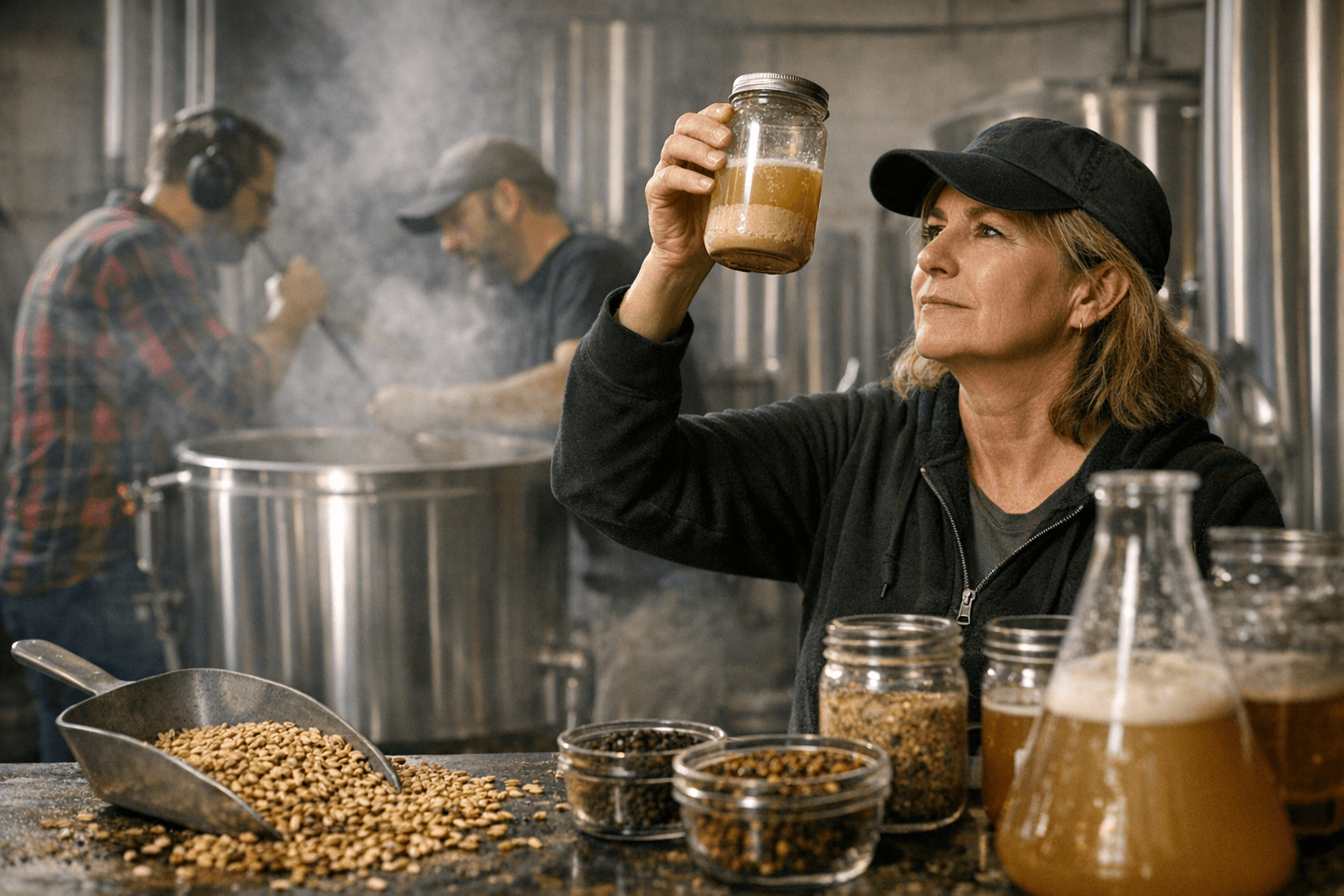
Homebrew Happy Hour devoted its 470th episode to three techniques that quietly separate inconsistent homebrew from batch-to-batch reliable beer: yeast harvesting and reuse, base malt selection, and dialing in water-to-grain ratios. Released March 26, the episode brought in Lorena Evans of BrewersFriend.com as guest expert, giving the show a technical depth that goes well beyond the usual tip-of-the-week format.
The episode's structure is tightly segmented. After an opening listener Q&A and Patreon segment, the hosts committed a full 30 minutes to yeast reuse, covering how to collect slurry properly, how to judge vitality before committing to a repitch, and what multi-batch cultivation actually looks like in practice. That runtime reflects how seriously the show took the subject; yeast harvesting is one of those skills that pays for itself quickly but is easy to botch without concrete guidance on when yeast is still worth pitching versus when it has degraded beyond use.
Evans' involvement as a BrewersFriend.com pro made the base malt segment particularly practical. The discussion zeroed in on selecting a base grain for a blonde ale, using that approachable style as a vehicle for explaining enzymatic strength and its effect on fermentability and color. It's the right case study: a blonde ale punishes poor ingredient choices with nowhere to hide, making it a useful frame for understanding what a base malt actually needs to do.
The mash ratio segment rounded out the technical content by connecting water-to-grain ratios to two variables brewers often troubleshoot separately: conversion efficiency and mouthfeel. Thinner mashes favor enzyme activity and can drive higher attenuation; thicker mashes tend to produce fuller body. Getting a handle on that relationship is the kind of foundational knowledge that makes recipe adjustments predictable rather than guesswork.
The episode also referenced specific gear, including Fermzilla pressure-fermenting systems, alongside yeast product links, giving listeners concrete starting points rather than just conceptual frameworks. That vendor specificity is part of what makes Homebrew Happy Hour useful at the workbench level, not just as background listening.
Episode 470 is available on the Homebrew Happy Hour website, YouTube, and standard podcast platforms. For anyone planning a batch where yeast reuse or mash efficiency is already on the agenda, the timestamped structure means it can be used as a targeted reference rather than requiring a full listen through from the top.
This article was produced by Prism’s automated news system from verified source data, official records, and press releases, then run through automated quality and moderation checks before publishing. The system is built and supervised by the people who set the standards it runs under. Read our full AI policy.
Did this article answer your question?