Keg Capital launches platform to turn brewery kegs into growth capital
Keg Capital debuted in Nashville with a pitch to turn brewery keg fleets into immediate growth capital, a move aimed at cash-strapped breweries that own plenty of stainless steel.

Keg Capital came out of Nashville on April 23 with a pitch that speaks directly to one of brewing’s least glamorous bottlenecks: the keg fleet. The new platform, built by the founders of Keg Credit, is designed to help breweries better manage and monetize those kegs so they can unlock immediate growth capital without giving up control of the business.
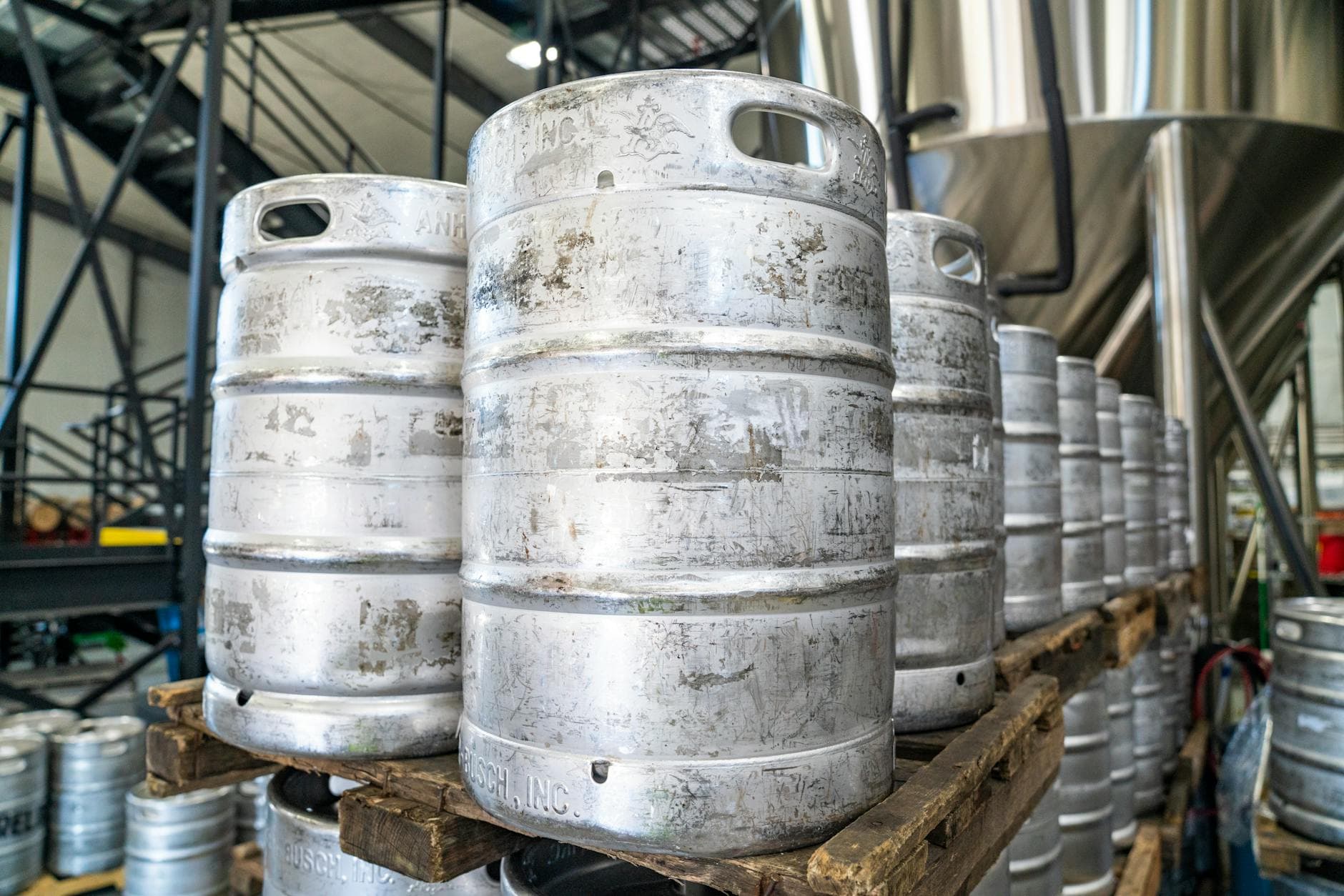
That matters because kegs are more than containers. They sit in the middle of packaging, distribution, and accounts receivable, and for many breweries they represent cash tied up in stainless steel that keeps moving from cellar to truck to taproom and back again. In plain terms, Keg Capital is betting that a brewery’s existing fleet can be treated like an operating asset with hidden value, not just a cost of doing business. For small and mid-sized producers trying to open another taproom, expand draft accounts, or keep a truck on the road, that kind of liquidity can be the difference between pushing ahead and stalling out.
The timing lines up with an industry that is still under pressure to do more with less. The Brewers Association says refillable and single-use kegs remain an important part of serving and distributing beer, and its keg resources cover procurement, performance, use, safety, and maintenance. The group also says craft brewing contributed $72.5 billion to the U.S. economy in 2024 and supported more than 440,000 jobs nationwide, a reminder that the sector’s health reaches far beyond the brewhouse floor.
The financial side of the business is getting sharper focus as well. The Brewers Association’s 2023 financial benchmarking release offered aggregated, anonymized data on revenue, cost of goods sold, margins, and ratios, while its brewery operations benchmarking survey is used to establish industry benchmarks on a bi-annual basis. That kind of information helps breweries measure where money is getting trapped, and keg assets are an obvious place to look when margins are tight.
Keg Capital’s launch also fits into a broader wave of keg infrastructure deals. On April 20, Keg Logistics joined an international keg pooling group after Evaaro completed the acquisition of Keg Logistics in the United States and North Keg in Canada. Taken together, the moves show a beer business increasingly interested in the unglamorous hardware and financing behind every pour. If Keg Capital can prove that a brewery’s keg fleet can be turned into working capital without choking off draft supply, it could become one more tool that helps local breweries keep brewing instead of merely hanging on.
This article was produced by Prism’s automated news system from verified source data, official records, and press releases, then run through automated quality and moderation checks before publishing. The system is built and supervised by the people who set the standards it runs under. Read our full AI policy.
Did this article answer your question?