Mark Rieth buys back Atwater Brewery, returns Detroit brand to local control
Mark Rieth is buying Atwater Brewery back from Tilray Brands, putting the Detroit staple under local control again and raising big questions about its next chapter.
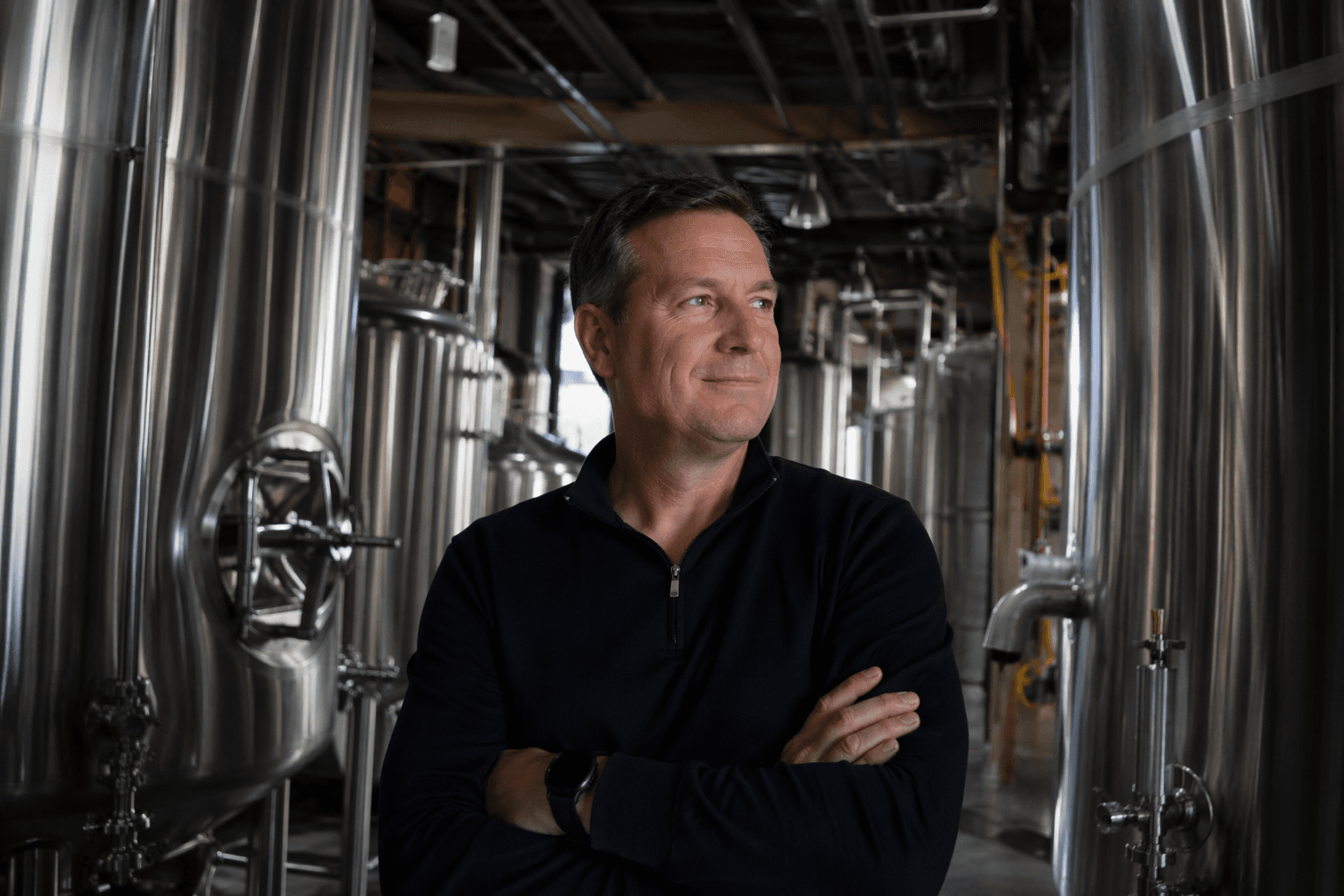
Mark Rieth has moved to buy Atwater Brewery back from Tilray Brands, bringing one of Detroit’s best-known craft names under local control again and setting up a fresh test of what that shift can change on the ground.
Rieth, a Detroit entrepreneur who ran Atwater from 2005 to 2020, entered into a definitive agreement to reacquire the brewery after its path through corporate ownership. Atwater sold to Tenth and Blake, the Molson Coors division, in 2020, then changed hands again when Tilray acquired the brand in 2023. The buyback restores the company to the founder-operator who built much of its modern identity, and it arrives in a market where local roots still matter to drinkers and retailers.
The practical questions now sit squarely on production scale, distribution footprint, taproom strategy, staffing and brand identity. Atwater’s long-running flagships, including Dirty Blonde Ale and Vanilla Java Porter, have anchored a broad lineup distributed in Michigan and beyond, and Rieth’s return could determine how hard the brewery leans into reach versus neighborhood presence. The release framed the move as a return to community connection, pointing to Atwater’s history of showing up at civic events, neighborhood partnerships and Detroit community initiatives.
Atwater’s Rivertown district roots remain central to the brand story, and Rieth’s deal suggests continuity around that identity rather than a wholesale reset. That matters in a brewery culture where provenance can still separate a shelf staple from just another regional label. Rieth also has other Detroit-area interests, including FÜL Beverages and Velvet Peanut Butter, which reinforces that this is not a distant financial play but a local owner’s portfolio move with neighborhood implications.
One other detail gives the transition added weight: Rieth retained Atwater’s historic brewery real estate when he sold the business in 2020. That ownership can give the company more flexibility as it settles into its next phase, especially if the brewery wants to sharpen its taproom strategy or tighten the connection between the brand and its physical home.
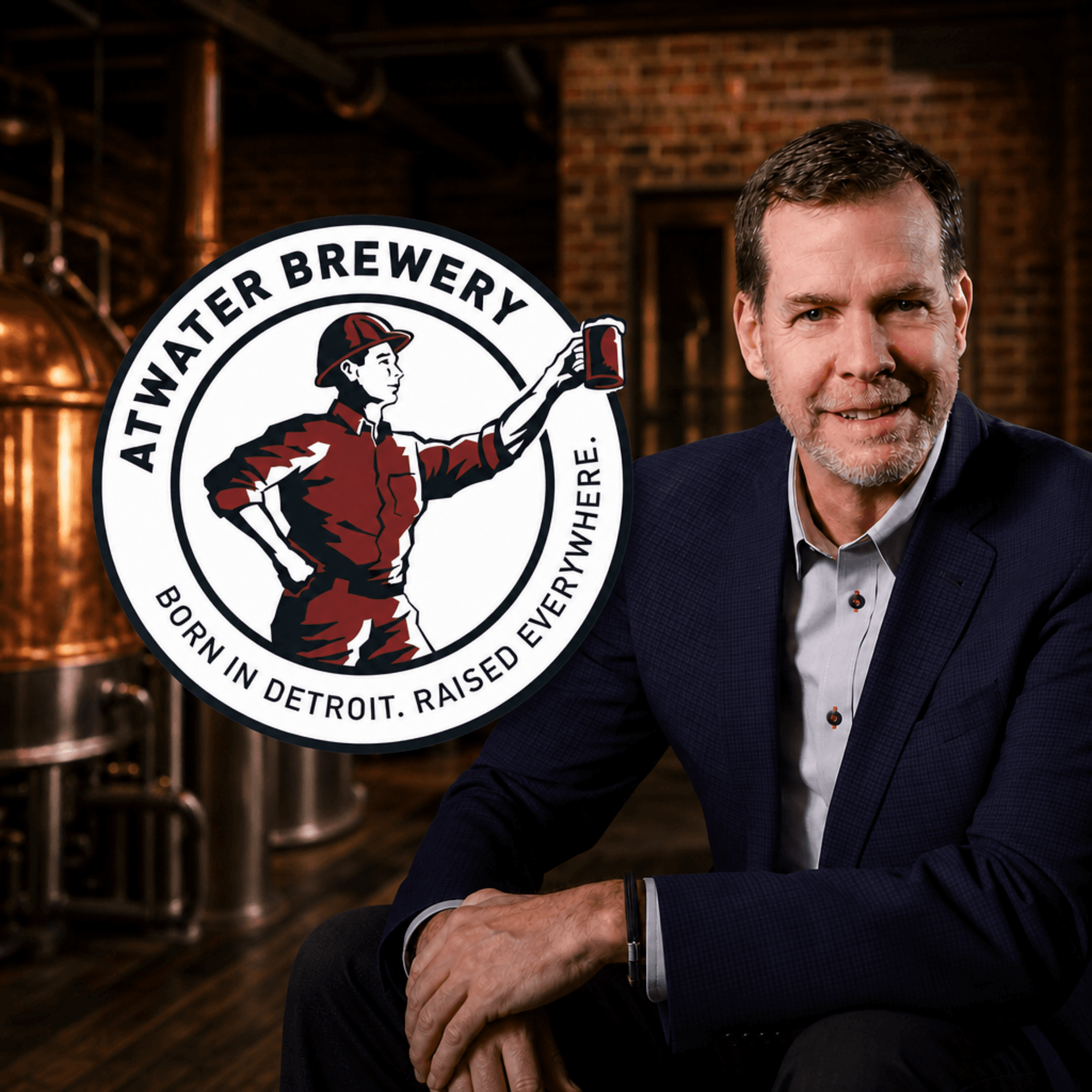
For Atwater, the buyback is more than a reunion. It is a live test of whether a regional craft brewery can regain momentum when the original owner comes back, and whether local control can preserve the Detroit identity that made the brand matter in the first place.
This article was produced by Prism’s automated news system from verified source data, official records, and press releases, then run through automated quality and moderation checks before publishing. The system is built and supervised by the people who set the standards it runs under. Read our full AI policy.
Know something we missed? Have a correction or additional information?
Submit a Tip