Massachusetts Brewery Turns Barn, Auto Shop and Mill Into Taprooms
A Massachusetts brewery is using a barn, an auto shop and a mill as taprooms, a leaner growth play in a tougher beer market.
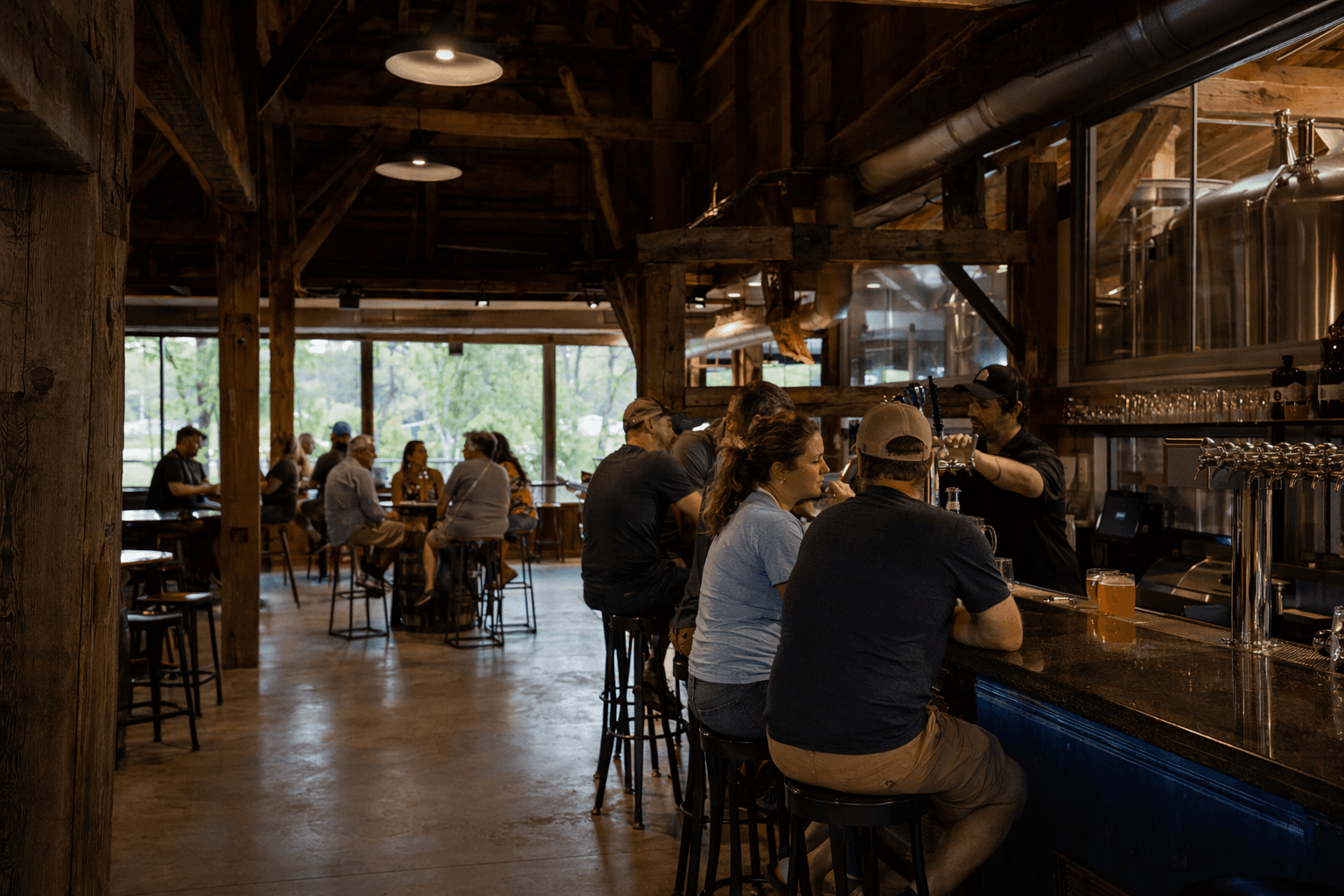
A Massachusetts brewery has built its expansion around old buildings instead of new land, turning a barn, an auto shop and a mill into taprooms that do more than pour beer. The approach gives each room a different feel, and it trims the risk of building from scratch at a time when the beer business is getting harder to navigate.
The strategy fits the state’s broader beer map. Massachusetts has more than 130 breweries to visit, state officials say, and the craft-beverage directory lists more than 180 craft beverage businesses with tasting rooms open to the public and 200-plus breweries featured. That makes brewery tourism a real draw, not just a weekend novelty, and it rewards places that can offer a setting as memorable as the pint list.
The numbers behind the industry make the case even sharper. The Brewers Association said 2024 ended with 9,796 operating U.S. craft breweries, and it was the first year since 2005 that closures outpaced openings nationwide. In that kind of market, a barn, a mill or a former auto shop can do some of the heavy lifting that a brand-new building cannot. The structure itself becomes part of the experience, and part of the marketing.
Massachusetts already has examples that show how well that can work. Stone Cow Brewery in Barre operates inside a barn that dates to at least 1820, and the place has become part brewery, part ice cream stand, part weekend barbecue operation, weekday pizza kitchen and farm stand. In Worcester, Courthouse Brew Co. opened in a former mill building in 2023. Wormtown Brewery changed leadership and taprooms in 2021 before later reopening its Worcester taproom after a closure. Loophole Brewing Services also planned a 21,000-square-foot brewery, tap room and beer garden inside a former jute processing building at Ludlow Mills.
Taken together, those moves point to a smarter growth model for Massachusetts beer: reuse what already has character, keep the buildout grounded in local history, and give drinkers a reason to visit beyond the beer alone. In a crowded market, the room, the roofline and the old brick can be as valuable as the tap list.
This article was produced by Prism’s automated news system from verified source data, official records, and press releases, then run through automated quality and moderation checks before publishing. The system is built and supervised by the people who set the standards it runs under. Read our full AI policy.
Did this article answer your question?