Penn Brewery property set for sheriff's sale amid Chapter 11 restructuring
Penn Brewery says it is staying open, but its Troy Hill property is headed to sheriff’s sale June 1 with a $2,720.09 opening bid.
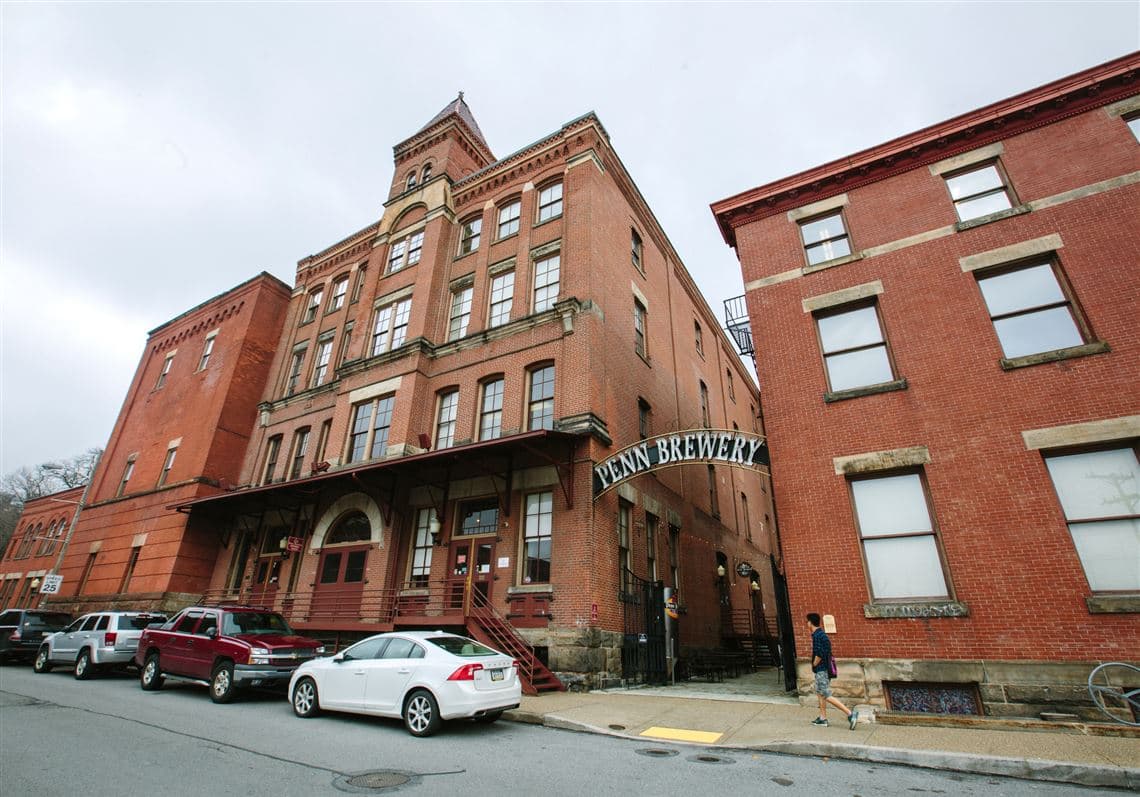
Penn Brewery says it is not closing, but the Troy Hill property tied to the business is set for sheriff’s sale on June 1, a sharp sign that its Chapter 11 case is under real strain. Allegheny County records list First Commonwealth Bank as the creditor and show three lots with a combined opening bid of $2,720.09, a figure that makes this look less like a routine real-estate filing than another pressure point in the brewery’s turnaround.
That tension matters because Penn is not just any taproom with a distribution line. The brewery says its roots go back to 1848, when the Eberhardt and Ober families were brewing in Deutschtown on Pittsburgh’s North Side. Tom Pastorius and Mary Beth Pastorius later founded the modern Penn Brewery in 1986 and released Penn Pilsner that same year, before the current craft beer boom took hold. In 1989, Penn opened its restaurant in the historic Eberhardt & Ober brewery building, becoming Pennsylvania’s first tied house since Prohibition and forcing the state liquor code to be rewritten to allow the brewery-restaurant model.
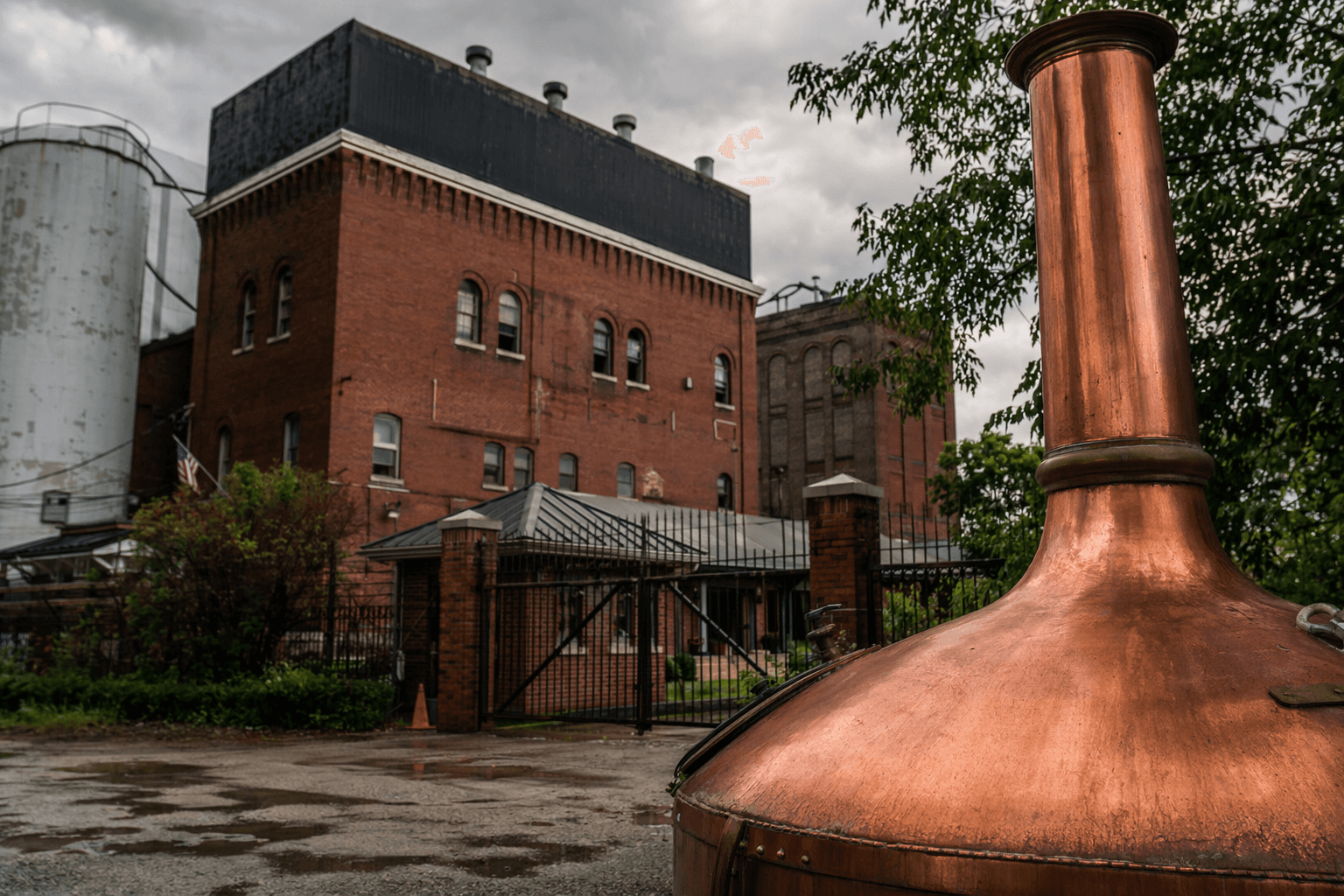
The property itself is part of the brand’s identity. Penn says the current complex includes three buildings from the historic brewery era that are listed on the National Register of Historic Places, along with lagering caves used before refrigeration. Penn says it is one of only a handful of U.S. breweries that still has those caves, and that history has helped make the site as much a landmark as an operating brewery. In 2022, Penn received a $40,000 Backing Historic Small Restaurants grant from American Express and the National Trust for Historic Preservation, money used to restore the caves.
Stefan Nitsch bought Penn Brewery and its property in 2022 after years of being a customer, and earlier profiles said he had moved to Pittsburgh from Austria as a child and once ran his real-estate business upstairs from the brewery. That makes the current Chapter 11 fight especially telling: if Penn can keep brewing, serving, and settling with creditors, the brand still has a path forward. If not, June 1 could mark another brutal turn for one of Pittsburgh’s oldest craft beer names, even as it insists the taps are staying on.
This article was produced by Prism’s automated news system from verified source data, official records, and press releases, then run through automated quality and moderation checks before publishing. The system is built and supervised by the people who set the standards it runs under. Read our full AI policy.
Did this article answer your question?