Rising malt prices push brewers toward local grain and fresh flavor
Imported malt is getting pricier, and brewers are treating local grain as a practical sourcing move, not a luxury. Fresh flavor, steadier supply, and better economics are changing the calculation.
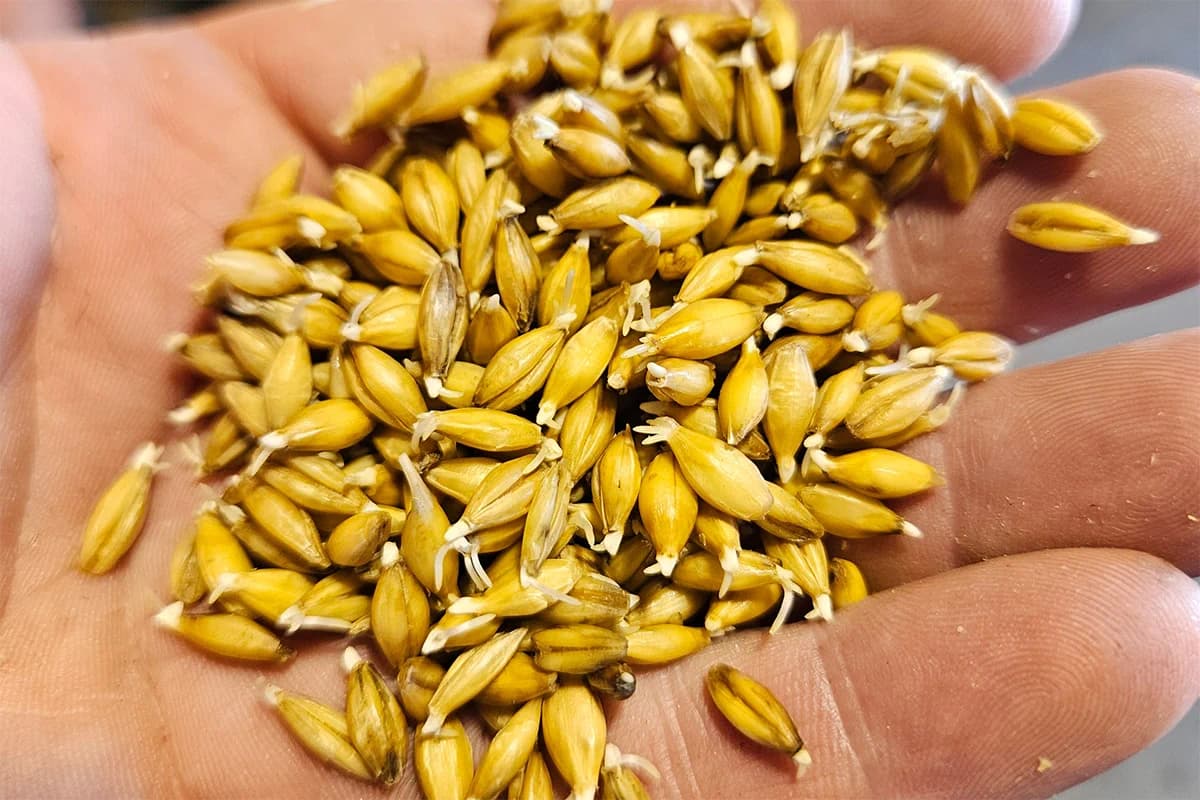
Imported malt costs are climbing enough that local grain is no longer just the romantic choice on a beer menu. Brewers are weighing domestic malt for the same reasons they weigh anything else in the brewhouse: price, consistency, and whether the ingredient gives the finished beer something they cannot get from a standard import sack.
The value equation behind the shift
In 2025, Brewing Industry Guide called local malt a “luxurious adventure,” a useful shorthand for the old hesitation around price and uneven quality. Imported malt costs are rising, and more brewers are giving domestic malt another look because the numbers now make more sense.
That change did not appear overnight. On December 22, 2022, Good Beer Hunting framed the market around barley prices and the hope that craft malt could reach greater cost parity. Craft maltsters have spent years trying to close the gap between what they charge and what large-scale imports can offer.
Tariffs are adding pressure to the grain bill
The price pressure does not stop at malt. The Brewers Association has published government-affairs guidance under titles including “How New Tariffs May Impact Your Brewery,” “BA Urges USTR To Avoid New Section 301 Tariffs,” and “New Section 301 Tariffs Take Effect.” Its Tariffs page and malt resource hub treat malt sourcing as a core operating issue for independent brewers.
On March 11, 2025, NPR tied President Donald Trump’s tariffs to costs from barley to cans to kegs for craft brewers. A month later, on April 18, 2025, the Ohio Capital Journal tied those tariffs to higher Ohio craft beer prices. For a brewery already juggling glass, cans, freight, and labor, a more expensive imported malt bill can push a domestic option from interesting to sensible.
Why local malt is winning new attention
The appeal of local malt is not only that it may be cheaper under pressure. The brewing industry is also talking more seriously about quality, freshness, and the specific character of regional grain. The old criticism was that local malt was inconsistent, but those assumptions are weaker now as craft malt matures.
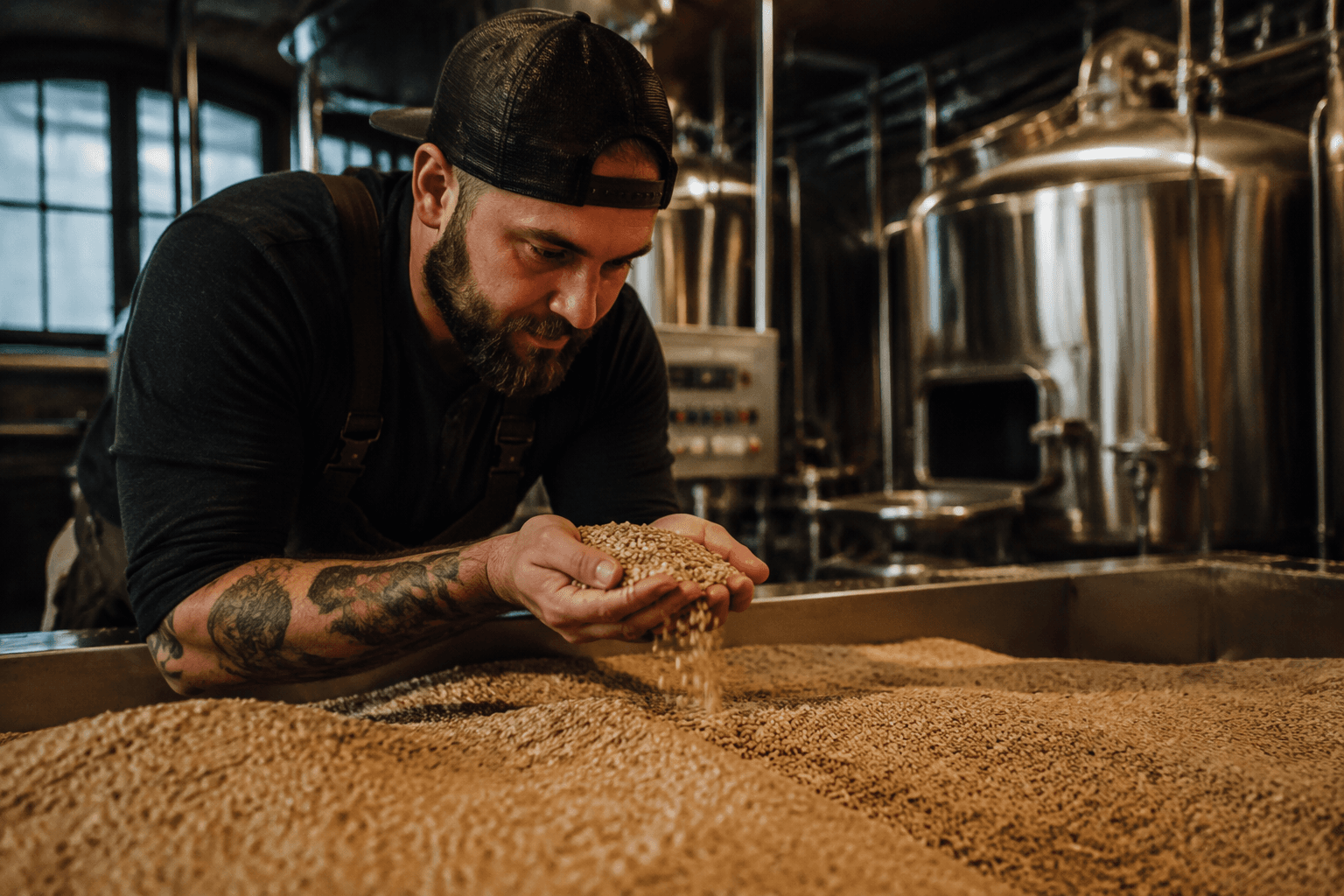
Freshness is part of the equation. Malt that does not travel as far can bring a cleaner, more immediate grain character into the brewhouse, and that freshness matters even more when the recipe is built around malt expression rather than heavy hop aroma or adjunct sweetness. In practical terms, local grain can give a brewer a more distinctive regional signature, especially in lagers, pale ales, and other beers where malt is supposed to carry the glass.
When local malt makes business sense
The decision is clearest when the brewery is trying to manage both cost and identity at the same time. Local malt can make sense when imported prices have moved up enough that the premium for domestic grain shrinks, when a brewery wants tighter supply-chain control, or when the beer benefits from a flavor profile tied to place.
- What does the landed cost of the imported malt really look like once freight and tariff pressure are added?
- Does the domestic maltster deliver the consistency needed for your flagship, not just for a one-off pilot?
- Does the grain character add something the beer needs, especially in a style where freshness and provenance matter?
A useful way to think about it is to compare three questions:
That same logic works in homebrewing, just at a smaller scale. Serious homebrewers who buy by the sack or split grain orders are often the first to notice when local malt offers a fresher malt backbone or gives them a new flavor reference point for recurring recipes.
This is part of a much longer brewing conversation
The current turn toward domestic grain is not the first time brewers have obsessed over malt quality. The University of Wyoming published “Malt Preferences of the Craft Brewing Industry” in October 1998, which shows that brewers were already studying malt preference and quality decades ago.
For brewers revisiting local malt, the practical backdrop is the same one set by the Brewers Association’s ongoing focus on tariffs and malt, the 2022 barley-price pressure around craft malt parity, and the 2025 tariff-driven brewery costs.
This article was produced by Prism’s automated news system from verified source data, official records, and press releases, then run through automated quality and moderation checks before publishing. The system is built and supervised by the people who set the standards it runs under. Read our full AI policy.
Did this article answer your question?