St Austell Brewery launches plantable beer mats to promote sustainability
St Austell Brewery’s new beer mats can be planted for wildflowers, turning a pub table handout into a live test of whether sustainability messaging changes behavior.
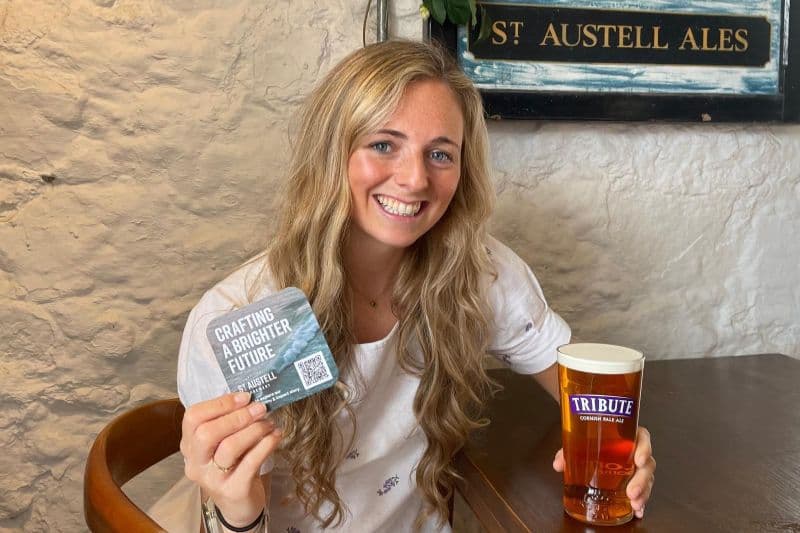
St Austell Brewery has put a new kind of beer mat on pub tables across its South West estate: biodegradable, seed-embedded and meant to be planted after use to grow wildflowers. The mats launched on 8 May 2026 and are being rolled out as the brewery uses them to front its latest impact report and push its sustainability message into the pub itself, not just onto a website or poster.
Each mat carries a QR code that sends drinkers to the brewery’s work across its breweries, pubs and drinks wholesale operation. Emily Coon, St Austell Brewery’s sustainability manager, said the idea is to bring people along on the journey and make sustainability feel part of everyday pub experiences rather than something distant or abstract. That is the real test here: whether a mat on a bar top does more than look clever for a few minutes before it gets binned, soaked or stuck to a pint glass.
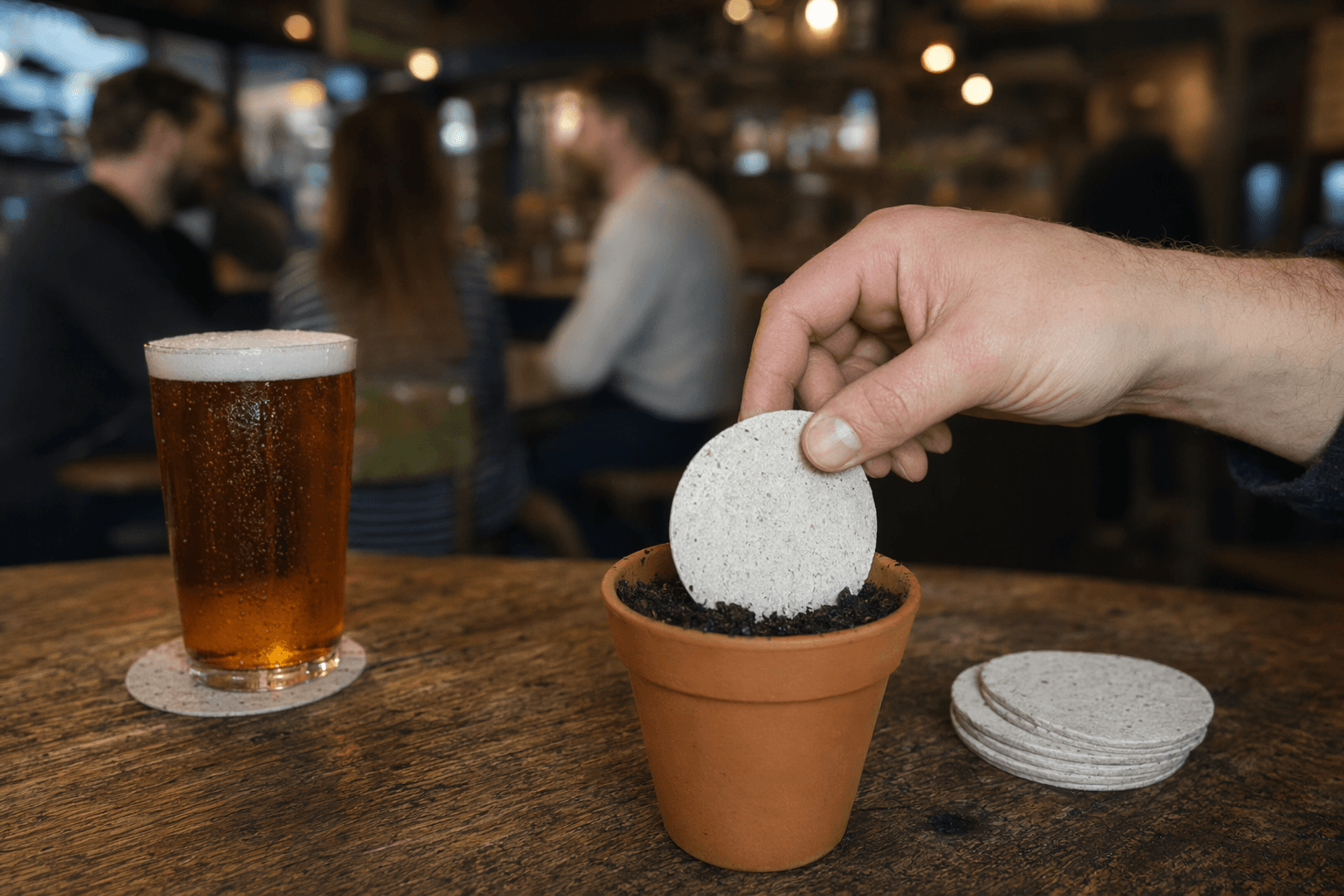
The company is pitching the campaign as part of a bigger shift that started with Crafting a Brighter Future, its first sustainability strategy, launched last year. St Austell Brewery says it now runs 45 managed pubs, all on 100% renewable electricity, and that it has cut total waste by 49% since 2023. General waste is down by up to 40% year on year, recycling rates have doubled, and all food waste is diverted away from general waste streams.
The numbers go further. Waterless urinals installed during pub refurbishments are saving up to 100,000 litres per pub each year. Food delivery miles have been cut by 33%, use of locally landed fish on menus is up 20%, and the business raised more than £93,000 for charities and South West causes in 2025. The brewery says it is aiming for net zero emissions across its operations by 2040, ahead of the UK’s 2050 target.
That makes the plantable mat worth watching for a simple reason: it sits at the point where branding, habit and waste all meet. St Austell, founded in 1851 and operating from its iconic St Austell site since 1893, is trying to turn a throwaway pub staple into a small behavior-change tool. If customers actually take the mat home, plant it and see wildflowers come up, the gimmick has a shot at becoming something more useful than green theater.
This article was produced by Prism’s automated news system from verified source data, official records, and press releases, then run through automated quality and moderation checks before publishing. The system is built and supervised by the people who set the standards it runs under. Read our full AI policy.
Did this article answer your question?