Tasterra launches sensory platform to help breweries track quality and off-flavors
Tasterra rolled out a cloud sensory platform that logs tasting notes, flags off-flavors with AI, and claims a first panel can be set up in under 10 minutes.

Ad hoc tasting notes have a habit of disappearing into notebooks, inboxes, and memory, which is how repeatability problems slip into a brewery unnoticed. Tasterra is aiming at that weak spot with a sensory and quality platform built for beverage manufacturers and brands, packaging panel results, defect tracking, and day-to-day quality checks into one cloud system.
The software is designed to help teams organize sensory data, standardize product evaluations, and make faster calls on batch quality. Tasterra says users can conduct professional taste panels, detect off-flavors with AI, and keep products consistent across locations without enterprise-level complexity. The company says a first sensory panel can be set up in under 10 minutes, a pitch that lands squarely in a market where many brewers still manage quality through scattered spreadsheets and shared forms.
That matters because sensory work is one of the few points where technical brewing and customer-facing quality meet directly. The Brewers Association has long described a trained human palate as a powerful tool and says a sensory panel is an essential, fundamental part of any beer quality program. ASBC sensory resources go even deeper, noting that the Beer Flavor Database contains 589 chemical names, a reminder of how detailed off-flavor work can become once a brewery starts taking it seriously.
Tasterra’s own terms describe the product as a cloud-based sensory evaluation platform for breweries and beverage companies that can create and manage panels, record and analyze sensory data, generate AI-powered analysis and recommendations, export reports, and support team collaboration. Its homepage says the goal is to maintain product consistency across all locations without the price tag or complexity of a larger enterprise stack. On its ROI calculator, Tasterra lists a monthly cost of $29 and an example breakeven of less than one month.
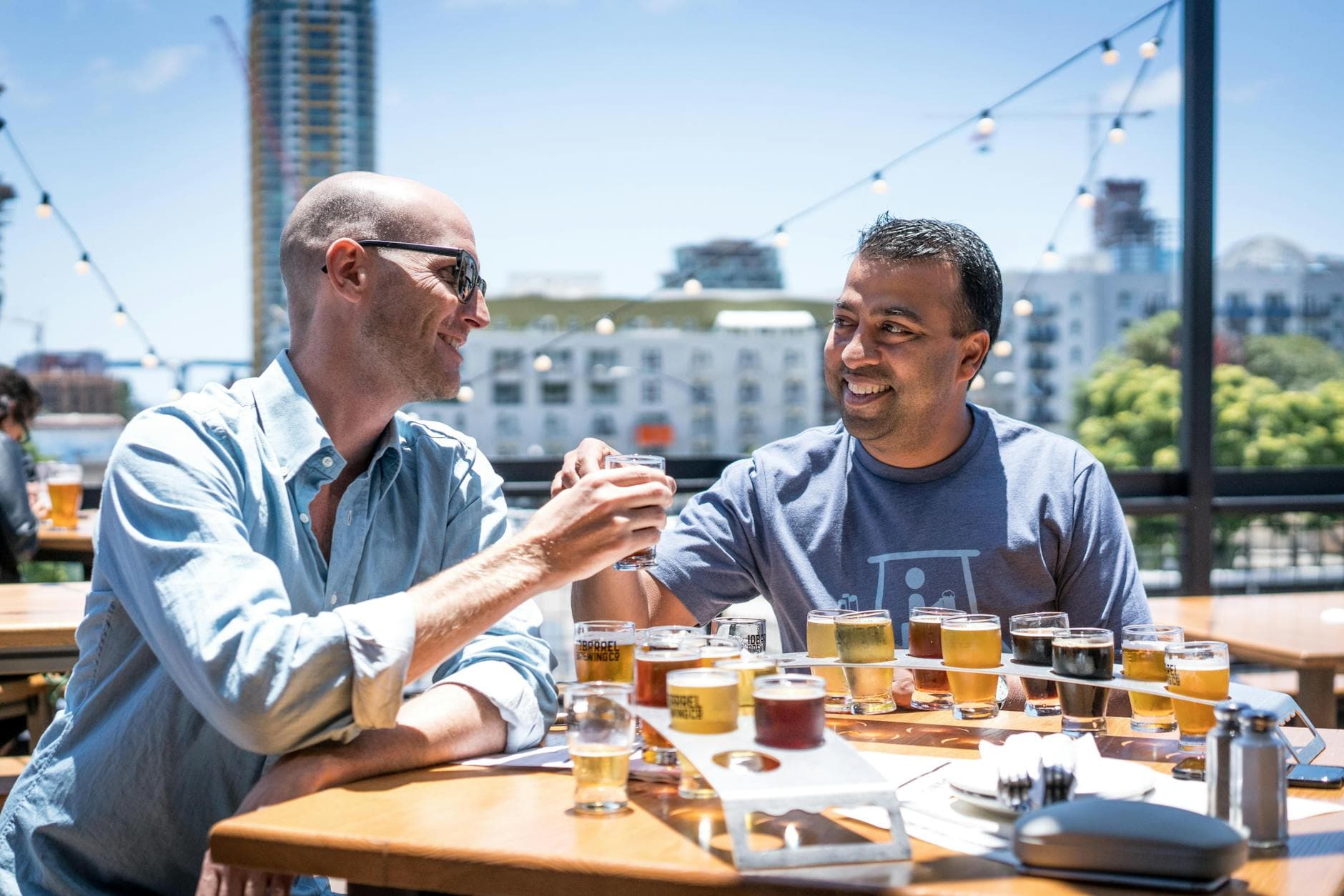
The company says it was founded by Tim Faith and Adam Slaker. Faith’s background spans more than 15 years in the industry, including warehouse operations, brewmaster roles, pilot systems, global production networks, sensory training, and brand ownership. That blend of production and tasting-room reality gives the launch a practical edge: it is not selling novelty, but process.
For homebrewers, the lesson is less about buying software and more about copying the discipline. A simple spreadsheet, a shared panel of trusted tasters, and a repeatable score sheet can already do a lot of the same work by turning “this batch tastes off” into a record you can compare against the next brew. Recent sensory research keeps pushing in the same direction, including a January 2026 paper in the International Journal of Food Science and Technology that used the Global Profile method to evaluate craft beers from Tuscan artisanal breweries and broadened sensory analysis beyond flavor alone.
This article was produced by Prism’s automated news system from verified source data, official records, and press releases, then run through automated quality and moderation checks before publishing. The system is built and supervised by the people who set the standards it runs under. Read our full AI policy.
Did this article answer your question?