Washington breweries get more options for cocktails and spirits
Washington taprooms can add cocktails and spirits without turning into full restaurants, a change that could keep mixed-drink groups in-house and reshape brewery menus.
Washington breweries just got a lot more room to play beyond beer, and the next taproom visit may feel noticeably different because of it. Under the new framework, breweries and microbreweries can subcontract with outside food operators, including mobile food trucks, to meet food-service requirements for beer-and-wine or spirits, beer, and wine restaurant licenses without building a full commercial kitchen first.
That is a big shift for operators that have long treated restaurant-style liquor service as a nonstarter. In the old setup, a brewery that wanted cocktails and spirits generally had to operate much more like a restaurant, with the expense of a kitchen buildout, extra staffing, menu requirements, and health permits. Washington still does not have a separate brewpub-specific license, which has made the state’s system feel awkward compared with markets where brewery hospitality is easier to tailor.
The Washington State Liquor and Cannabis Board approved final rules on May 6, 2026, and those rules are set to take effect June 6, 2026. They implement Engrossed House Bill 1602, which Gov. Bob Ferguson signed on April 22, 2025 as Chapter 141, Laws of 2025, and which took effect July 27, 2025. The board said it received one public comment on the CR-102 version of the rules.
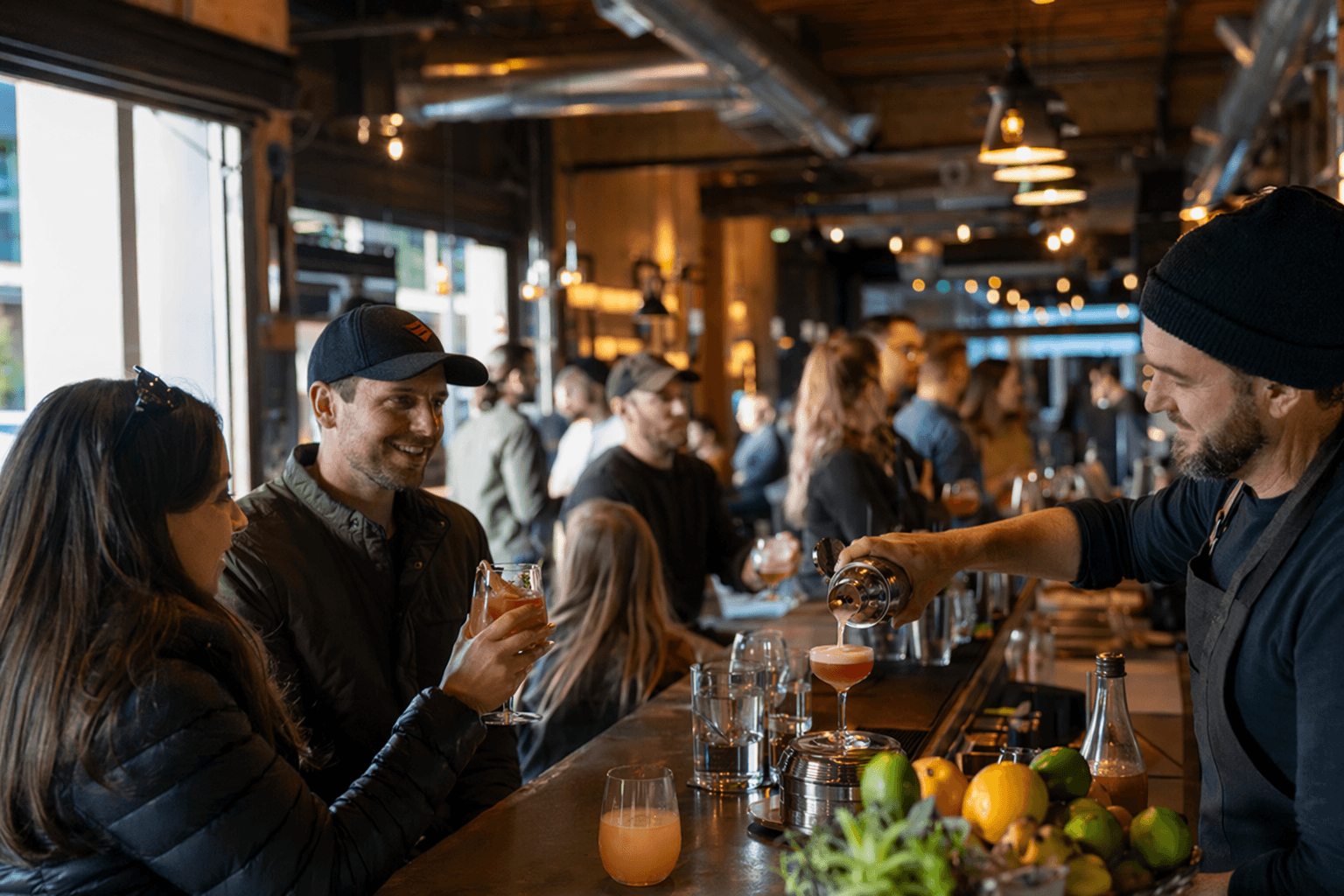
For drinkers, the practical change is straightforward: more groups should be able to stay put when not everyone wants a pint. A taproom that can offer cocktails and spirits has a better shot at keeping mixed-drink customers from walking next door and taking their beer-drinking friends with them. That should matter most for breweries in dense neighborhoods, destination taprooms, and places where food is part of the draw but a full kitchen never made sense.
The rules also give operators more ways to structure service. Breweries can contract, lease, or sublease space for food service, and they can own and operate a mobile food unit to satisfy the requirement. At the same time, the rules draw clear lines: contracted food-service staff who are not employed by the brewery or microbrewery may not serve alcohol, and non-tax-paid alcohol must be substantially separated from areas regularly accessed by food-truck or food-provider staff.
The Washington Brewers Guild backed the bill, and supporters including Daniel Olson, Justin Leigh of Dwinell Country Ales, and Michael Perozzo of Vice Beer LLC argued that it would help breweries stay competitive while adding less operational drag. Kevin Waters was the prime sponsor. The likely winners are breweries with tight footprints and limited capital, while the mission drift risk falls on operators that worry a beer-first room could start to look more like a generic cocktail venue.
Know something we missed? Have a correction or additional information?
Submit a Tip