Wisconsin seizes Minocqua Brewing beer in tax and transport probe
Wisconsin agents seized about 1,200 cans from Minocqua Brewing, turning a $500 tax mix-up into a fight over Illinois packaging and interstate beer handling.
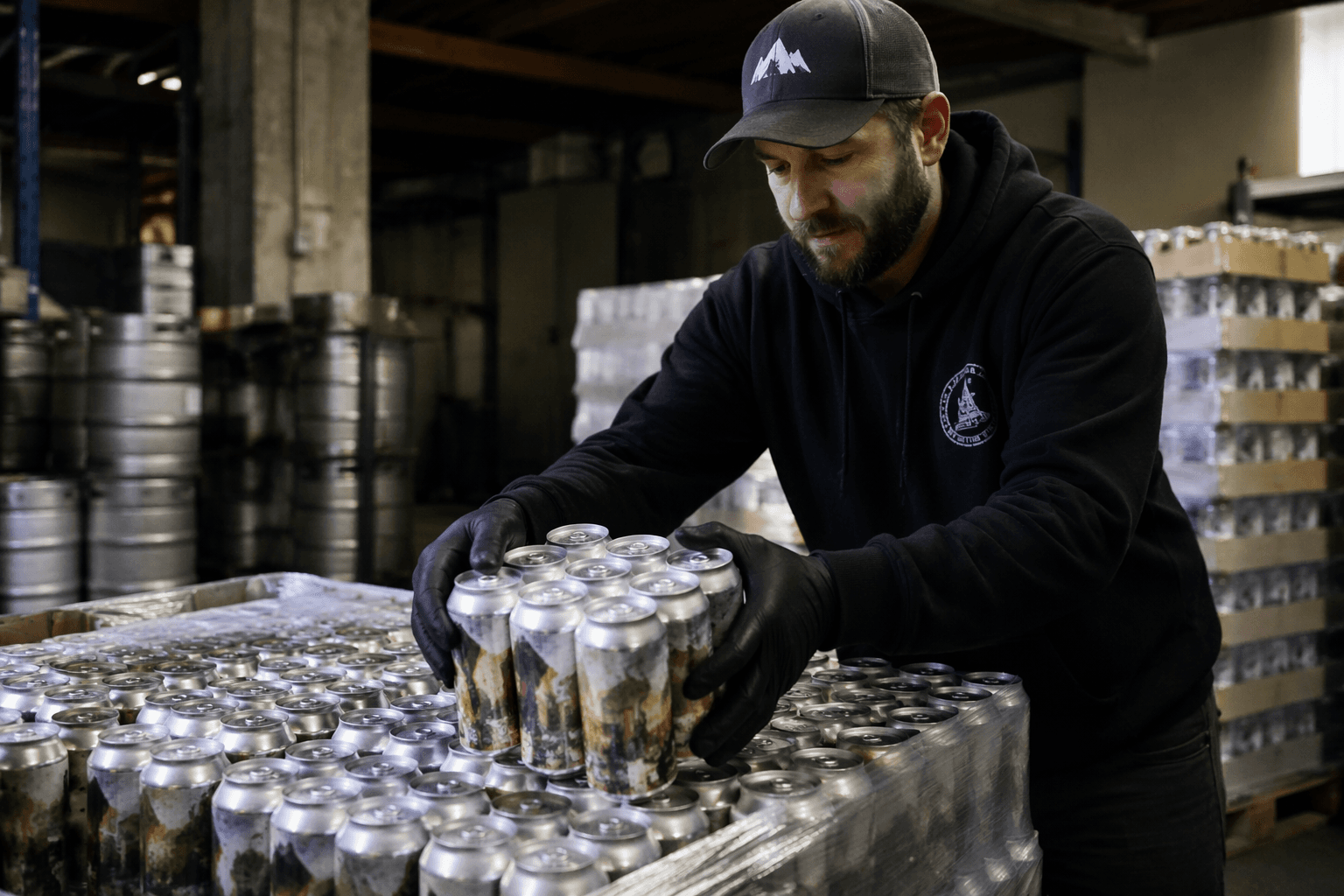
Wisconsin regulators pulled about 1,200 cans of Minocqua Brewing Company beer from the brewery’s Minocqua and Madison taprooms, turning a relatively small excise-tax dispute into a broader test of how beer moves, gets taxed, and crosses state lines. The Wisconsin Department of Revenue also seized wine and cider products valued at roughly $25,000, and the brewery said both taprooms stayed open with much less beer available, even as state officials barred alcohol sales at the locations during the probe.
Department of Revenue agents inspected the two locations on June 11, and local reporting said Minocqua police were present during the seizure. Kirk Bangstad, who owns Minocqua Brewing and has been described as a liberal activist and Democratic gubernatorial hopeful, said the beer had been canned and packaged in Illinois. He said the problem came down to about $500 in excise taxes that were paid to Illinois instead of Wisconsin.
That detail is where the case widens beyond one brewery’s inventory loss. For contract-brewed beer, the compliance risk is not just what goes into the keg or can, but where the final packaging happens, which state gets the tax, and whether the brewery’s paperwork matches the path the beer actually took. In this dispute, the amount of tax at issue is tiny compared with the value of the seized stock, but the enforcement response has been much larger, with Wisconsin blocking sales while the matter moves forward.
Minocqua Brewing filed suit in Dane County Circuit Court in mid-June, asking a judge to order the return of the seized beer and other products and to stop further enforcement. The brewery argues the state did not give it a chance to pay the outstanding tax before agents took the inventory, and says the rules unfairly burden out-of-state contract brewers that finish beer outside Wisconsin before selling it here.

For breweries watching the case, the message is plain: transport, licensing, and interstate packaging are not back-office details that can be smoothed over later. When a few hundred dollars in tax collides with beer that was canned in another state, the result can be a locked taproom, a seized truckload of product, and a compliance fight that reaches straight into the heart of the business.
This article was produced by Prism’s automated news system from verified source data, official records, and press releases, then run through automated quality and moderation checks before publishing. The system is built and supervised by the people who set the standards it runs under. Read our full AI policy.
Did this article answer your question?