World Cup boosts beer sales in bars and restaurants nationwide
World Cup watch parties lifted U.S. on-premise beer sales 5.5 percent, with host states outperforming non-host markets across volume, revenue and pour speed.
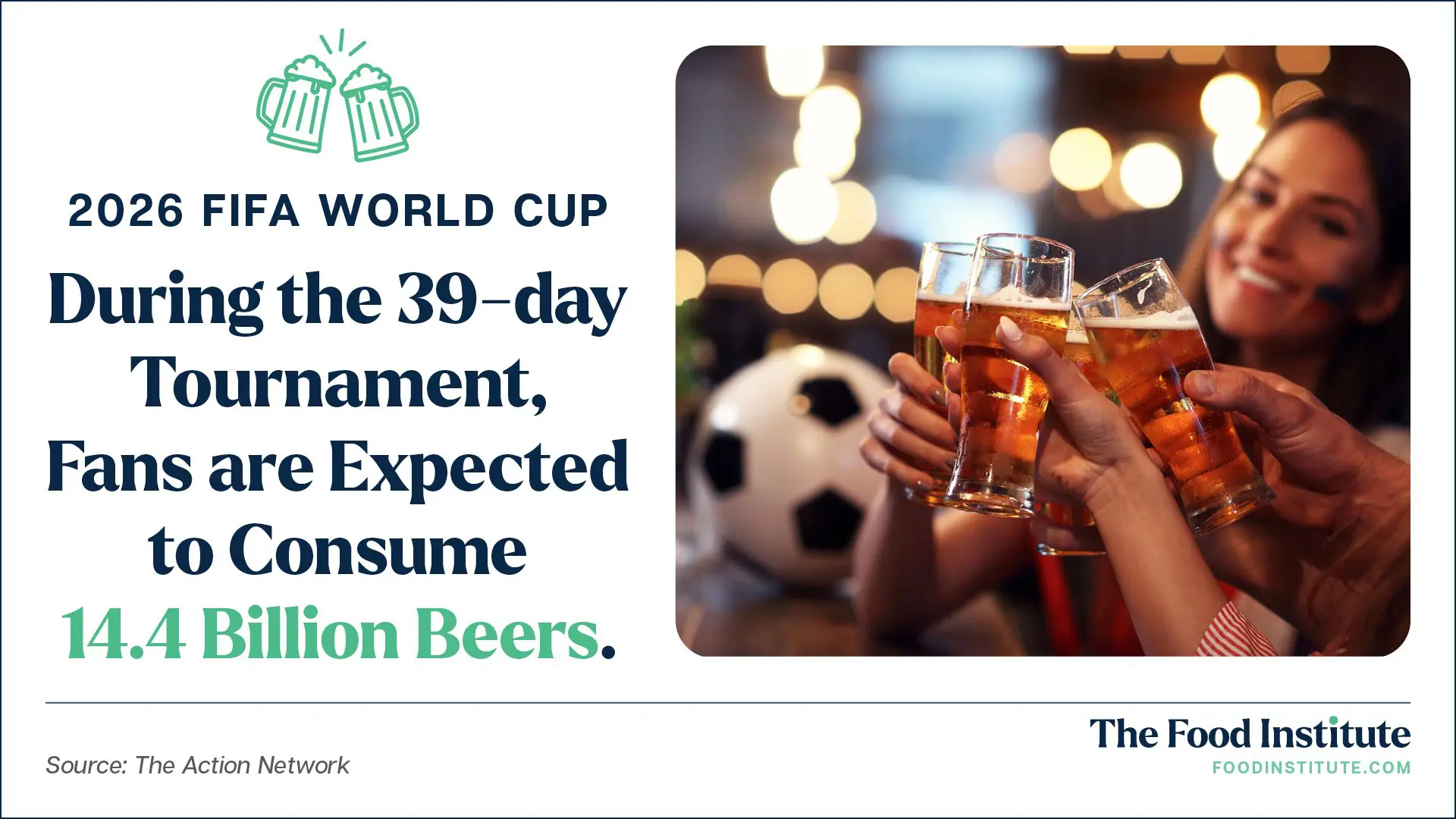
Bars and restaurants nationwide got an early-summer lift from the 2026 FIFA World Cup, with beer sales up 5.5 percent and the sharpest gains landing in host-state markets tied to match-day traffic and watch-party crowds. BeerBoard’s latest World Cup readout tracked alcohol sales from June 11-14, 2026 against the same Thursday-Sunday stretch in 2025, and its second-weekend update again showed host states beating non-host states across volume, revenue and rate-of-sale.
That matters because BeerBoard is measuring the part of the beer business that independent breweries and taprooms feel first: total beverage alcohol poured across chain, regional and independent on-premise locations. The firm’s data show the tournament is not just nudging packaged sales at retail, but pushing more beer through taps, pint glasses and draft systems in places where fans are gathering to watch matches together.
The lift has been strongest where the World Cup is physically present. FIFA says the tournament is being staged across 16 host cities in Canada, Mexico and the United States, with 104 matches and the final set for July 19 in New York/New Jersey. FIFA’s host-city announcement identified 11 U.S. host cities, and BeerBoard’s analysis showed those host-state markets outperforming non-host markets by a wide margin, underscoring how local viewing hubs and traveling supporters can turn a soccer event into a beer-volume event.

BeerBoard’s earlier World Cup snapshot sharpened the picture for craft-friendly pours. Draft beer was up 17 percent year over year in that opening readout, while import brands gained 3.9 percent of volume share and lager brands gained 2.2 percent. For breweries leaning on taproom traffic, that is a meaningful signal: big sporting events still steer drinkers toward draft, and they tend to favor easy-drinking styles that move quickly when a room is packed and the screens are on.
The broader Beer Institute numbers explain why that surge is more than a novelty. The trade group says the U.S. beer industry supports about 2.42 million jobs and generates $471 billion in economic activity, while its June 3 packaging report put draft beer at 9.6 percent of the packaging mix, up 3.8 percentage points since 2020. In a market where draft still carries outsized strategic value, a 5.5 percent on-premise bump is the kind of swing that can shape staffing, keg orders and summer sales plans, especially for breweries close to fan districts and other watch-party magnets.
This article was produced by Prism’s automated news system from verified source data, official records, and press releases, then run through automated quality and moderation checks before publishing. The system is built and supervised by the people who set the standards it runs under. Read our full AI policy.
Did this article answer your question?