Zipline Brewing abruptly shuts down beer operations, pivots to restaurants
Zipline Brewing shut down its taproom, beer lounge and brewery in Lincoln overnight, cutting about 18 jobs while its Fallbrook restaurant stayed open.
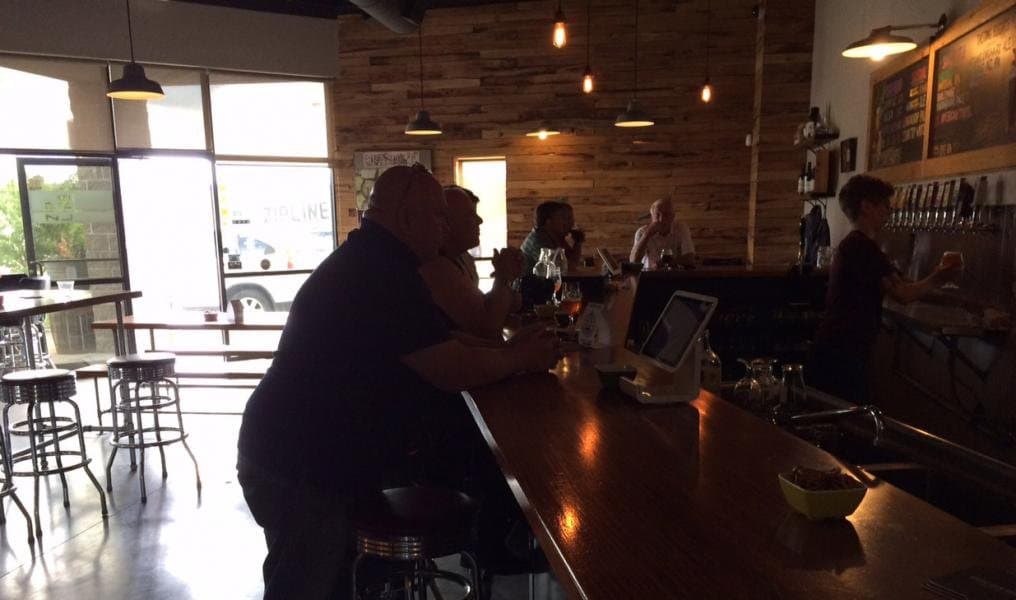
Zipline Brewing Company’s Lincoln beer business shut down with almost no warning, leaving the taproom, beer lounge and brewing floor closed immediately even as the Zipline Tap & Grill in the Fallbrook development kept operating. For local beer drinkers, the split is stark: the brand is still alive on the restaurant side, but the place where Zipline made and poured beer in northwest Lincoln is suddenly gone.
The company said on Facebook that it was evolving into a restaurant-focused organization. That message landed hard because Zipline had been one of Nebraska’s oldest still-operating craft breweries and, at one point, the state’s largest. The abrupt pivot raised immediate questions about whether this is a full exit from brewing, a forced restructuring, or another sign of how hard the craft segment has become to run at scale.
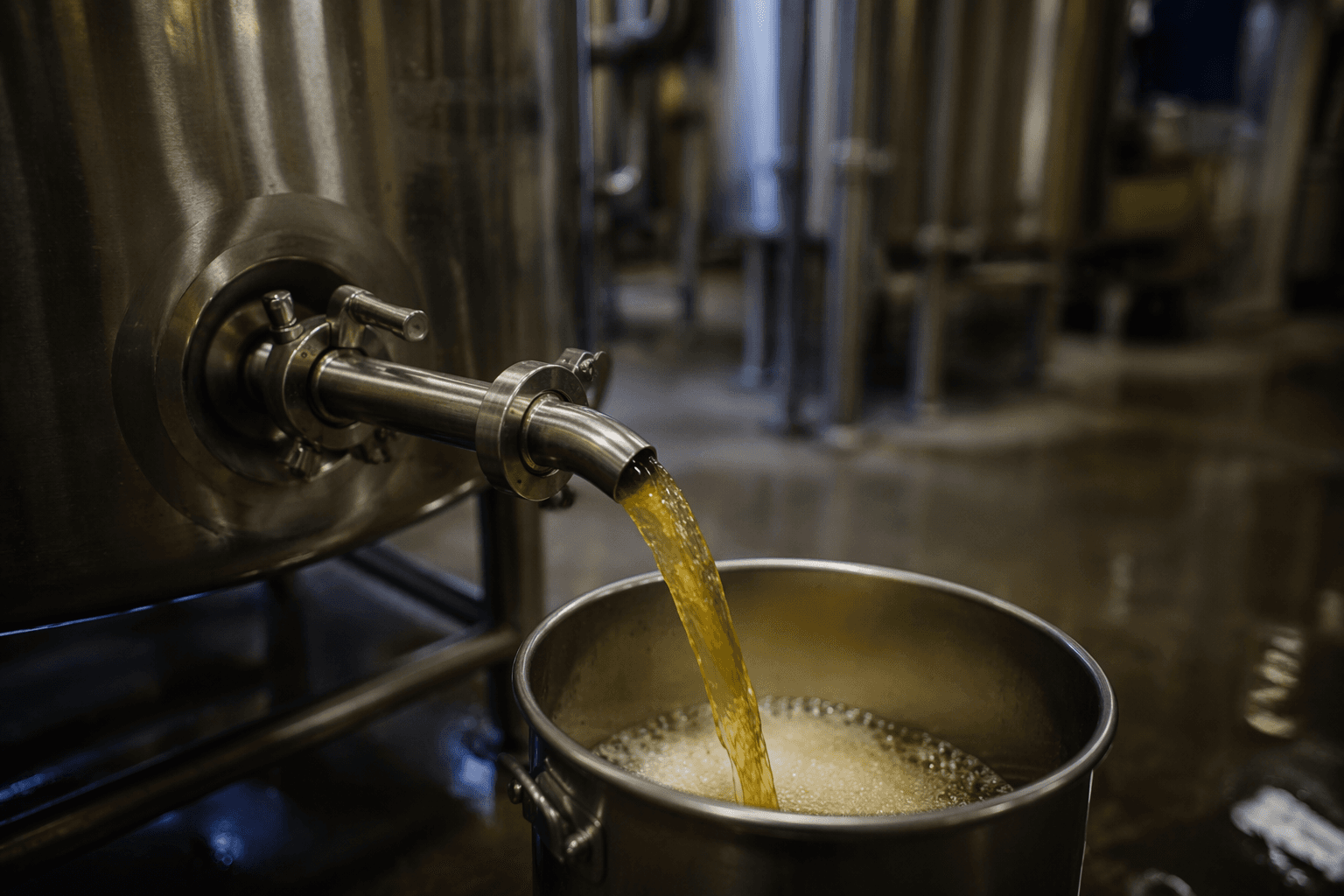
People inside the brewery said the shutdown came out of nowhere. A former employee told Nebraska Public Media the change arrived completely out of the blue, and workers were in the middle of a fresh batch when the closure hit. About 18 full- and part-time employees lost their jobs, adding a human cost to a decision that otherwise might have looked like a simple business reset from the outside.

What remains open matters almost as much as what closed. By keeping Zipline Tap & Grill running in Fallbrook, the company is preserving a public-facing piece of the brand while shedding the costly production side that defines a brewery’s identity. That split reflects the pressure many regional breweries are still feeling from costs, consumer shifts and the expense of running full brewing operations, even after years of building loyal followings.
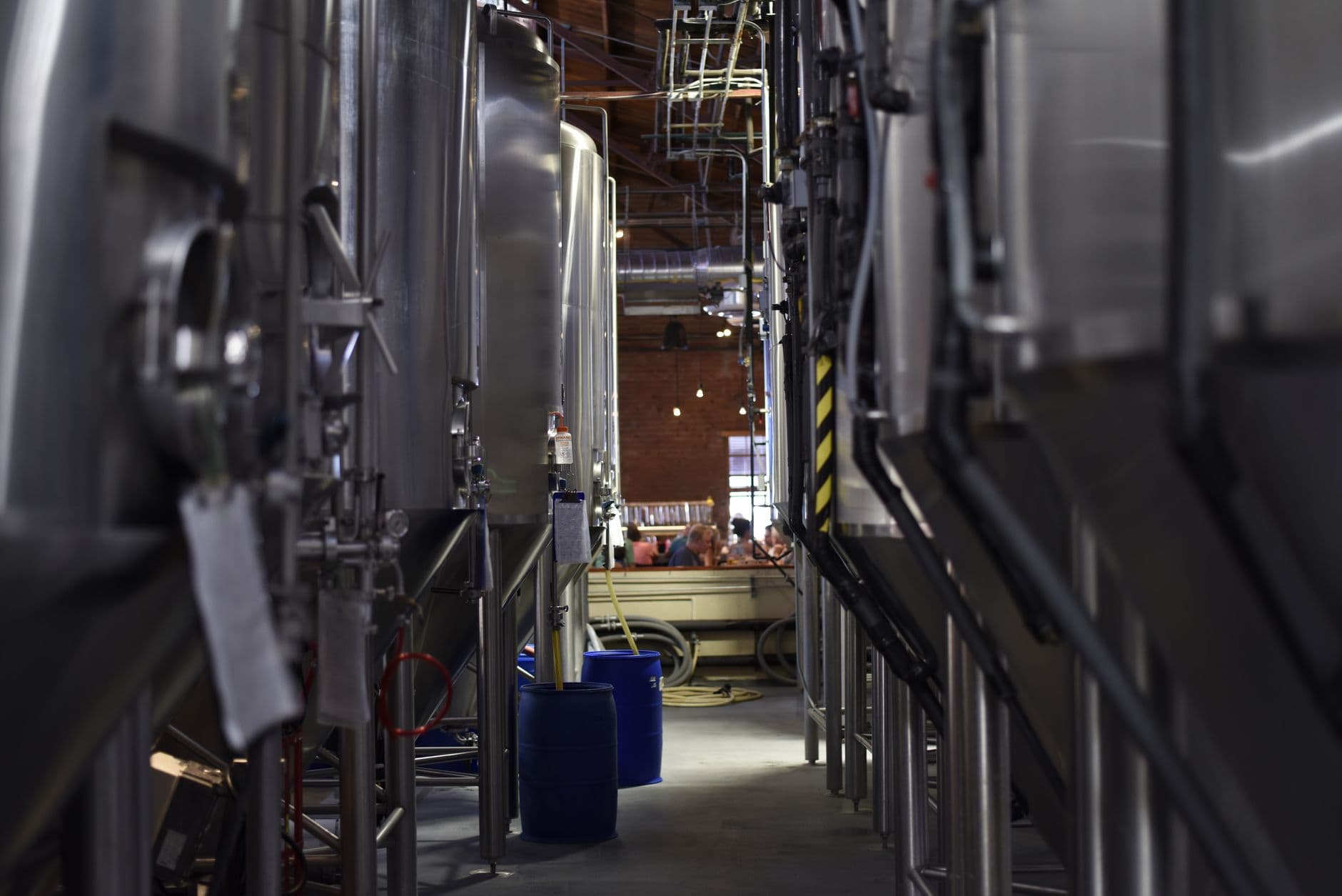
For Lincoln, the loss is more than a production change. Zipline had become part of the city’s beer fabric, a familiar stop for drinkers who followed the brewery from its early years into its status as a longtime local fixture. Now the familiar taproom is closed, the brewing tanks have gone quiet, and the company’s future rests on a restaurant model that may keep the name on the map while the beer side has already been pulled back.
This article was produced by Prism’s automated news system from verified source data, official records, and press releases, then run through automated quality and moderation checks before publishing. The system is built and supervised by the people who set the standards it runs under. Read our full AI policy.
Did this article answer your question?