11 High-Energy Dog Breeds Built for Active Owners Who Love Outdoor Adventure
Some breeds were never built for the couch — these 11 high-drive dogs demand miles of trail time, structured sport, and a human who can actually keep up.
Spring is when the mismatches show up. Someone adopts a Belgian Malinois because it looks athletic and cool, skips the breed research, and spends the next six months wondering why their house is a disaster zone. Getting the breed right before the leash goes on is the whole ballgame, and these 11 breeds represent the honest end of the high-drive spectrum: dogs that reward serious active owners and quietly punish everyone else.
Siberian Husky
Huskies are the long-distance runners of the dog world, full stop. Bred specifically for pulling sleds across frozen terrain, they carry extraordinary stamina and a deeply wired need to cover ground. A single 30-minute neighborhood walk is not exercise for a Husky; it's an appetizer. They need at minimum two hours of vigorous daily activity, and owners in warmer climates should factor in early morning or evening sessions to avoid overheating. When bored or under-stimulated, Huskies are notorious escape artists, and their independent streak means a secure fence isn't optional. Canicross, bikejoring, and skijoring are natural fits for the breed; anything that lets them pull and run taps directly into what they were built for.
Border Collie
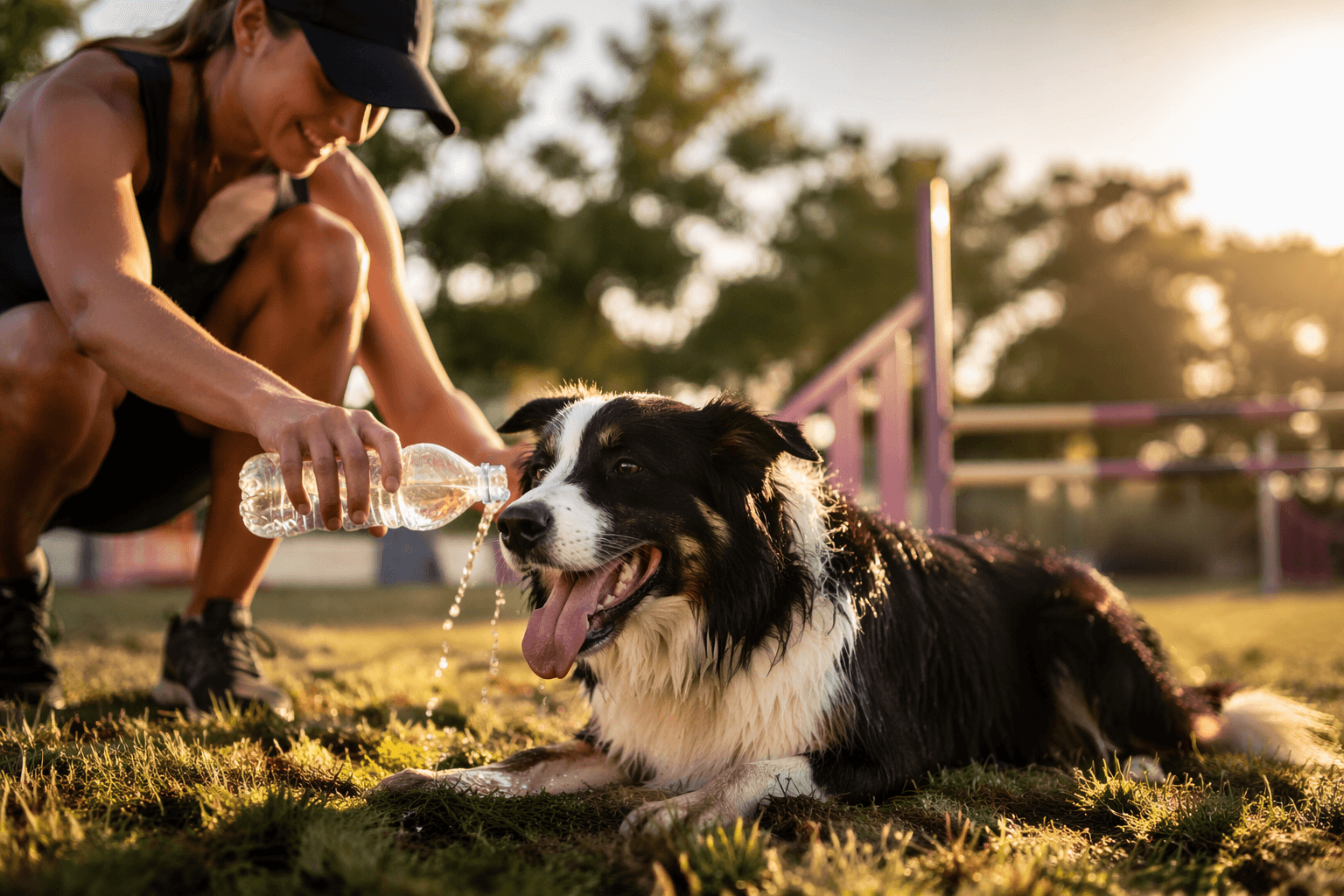
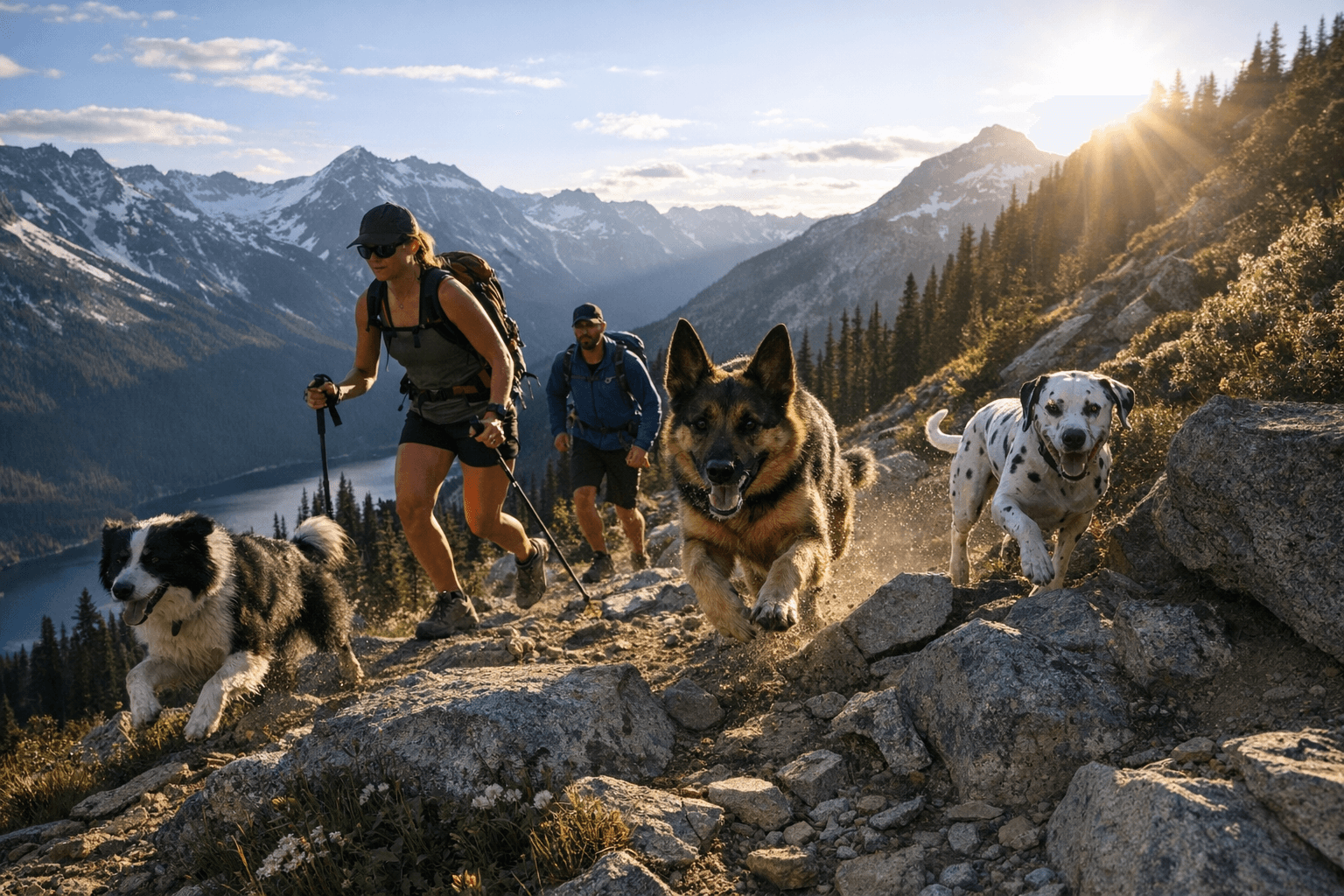
Widely regarded as the most intelligent dog breed in the world, the Border Collie is also one of the most demanding to keep satisfied. Originally developed for herding sheep on farms, these dogs have an almost supernatural ability to read movement and respond with precision, and that drive doesn't disappear just because there are no sheep around. Physical exercise alone won't cut it; Border Collies require mental stimulation at the same level as physical output. Agility, herding games, disc, and structured obedience all channel their working instincts productively. A bored Border Collie will herd children, chase cars, or systematically dismantle your living room. They excel in virtually every dog sport precisely because their minds stay on the problem longer than most handlers do.
Belgian Malinois
Originally bred near the Belgian city of Malines in the late 19th century as versatile farm helpers capable of herding, guarding, and cart-pulling, the Malinois has since become the gold standard for police, military, and protection sport. That working pedigree comes with serious commitments. Mals are not beginner dogs; they are demanding, high-intensity partners that require consistent training, structured outlets, and an experienced hand. Without appropriate physical and mental challenges daily, including activities like Schutzhund, ring sport, agility, or advanced obedience, they develop behavioral problems that most households simply cannot manage. Early socialization is essential; the breed's natural confidence and territorial instincts need proper shaping from puppyhood.
Jack Russell Terrier
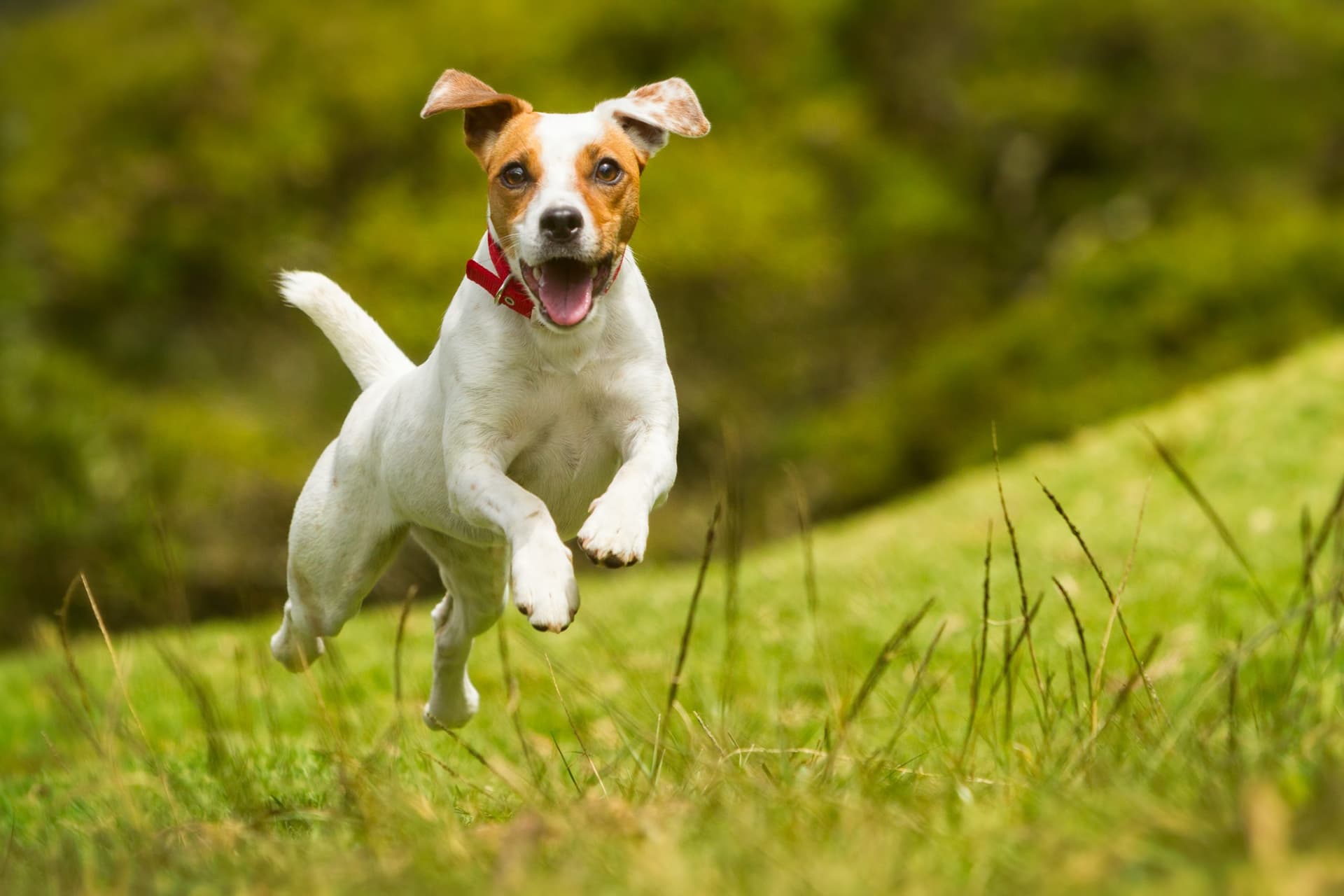
Don't let the compact frame fool you. Jack Russells were originally bred to bolt, chase, and dig out game, and they approach every single day with that same intensity. These dogs are smart, quick, and seemingly incapable of downtime. Left without sufficient outlets, a Jack Russell will invent its own entertainment, which usually involves digging up gardens, launching itself off furniture, or chasing anything that moves within a quarter mile. They thrive on activities that engage both their body and their hunting instincts: fast-paced fetch, earthdog trials, agility, and long exploratory hikes all work well. Their size makes them deceptively portable for trail adventures, but don't underestimate the stamina packed into that small frame.
Weimaraner
With their striking silver coats and pale, commanding eyes, Weimaraners were built for endurance hunting across rough terrain. They need at least two hours of vigorous exercise daily, including genuine runs and hikes rather than simple walks. A bored Weimaraner becomes restless and difficult to manage quickly, so they're best matched with owners who actually enjoy being outside every day in all seasons. They love running alongside cyclists, working hunt training scenarios, or covering serious mileage on trail systems. Their athletic build and natural drive to run and explore make them excellent companions for trail runners and hikers; the challenge is that they require that outlet consistently, not occasionally.
Australian Shepherd
Australian Shepherds live for movement. Powered by deep herding instincts, they're happiest when they have a job and a human partner willing to be part of it. Like the Border Collie, they require both mental and physical engagement, needing 1.5 to 2 hours of activity daily to stay balanced. Natural problem solvers, Aussies have been known to figure out door latches, counter-raid systematically, and invent games that suit their agenda rather than yours. They excel in agility, disc, herding trials, and obedience competition, and their affectionate nature means they want you actively involved in all of it. If your ideal weekend is a long trail run followed by a training session, an Aussie will be right there for every step.
Vizsla
Vizslas have earned the nickname "Velcro dogs" for how closely they bond with their people, but that attachment comes paired with an engine that never really idles. Originally bred as Hungarian hunting dogs, they carry a natural drive for running, swimming, and sustained outdoor activity, requiring roughly 1.5 to 2 hours of exercise daily. A Vizsla left under-stimulated becomes anxious and destructive; they simply aren't wired for idle downtime. The breed shines as a trail running partner, hunt training companion, or agility competitor. Their affectionate temperament means they'll shadow you around the house between sessions, which makes them deeply rewarding dogs for active owners who want both athletic partnership and genuine companionship.
Dalmatian
Dalmatians were historically bred as carriage dogs, running alongside horse-drawn coaches for miles at a stretch, and that endurance lineage is very much alive today. They need 1.5 to 2 hours of exercise daily, including genuine runs rather than leisurely strolls. Without that output, Dalmatians develop behavioral problems including excessive barking and destructive chewing. They are natural running companions, capable of covering serious distance alongside cyclists or joggers, and they thrive in active households that treat daily exercise as non-negotiable. Their stamina and love of structured activity also make them competitive candidates for canicross and rally obedience.
Fox Terrier
Fox Terriers carry more energy per pound than most large breeds, a fact that surprises new owners who assume small equals manageable. They are curious, lively, and relentlessly action-oriented, rarely staying still by choice. Both physical and mental stimulation are required to keep them balanced; a Fox Terrier given only physical outlets will redirect surplus energy into digging, chasing, or barking campaigns. Earthdog trials, agility, and interactive puzzle games all suit them well. Their tenacity, which historically made them excellent hunters of small game, translates into a never-quit attitude during training and sport; skilled owners who appreciate that drive find it genuinely entertaining.
English Springer Spaniel
Springer Spaniels were purpose-built for hunting and retrieving, and that instinct remains fully intact generations later. They are happiest when they have a clear job to focus on, whether that's structured hunt training, hours of fetch on open ground, swimming, or trail hiking. Without sufficient outlets, they become restless and difficult to manage at home. Their love of water makes them natural partners for any outdoor activity near lakes or rivers, and their retrieving drive lends itself well to flyball and field sport competition. Springer Spaniels are versatile in ways many high-energy breeds aren't: they combine serious athleticism with a tractable temperament that responds well to consistent training.
German Shorthaired Pointer
The German Shorthaired Pointer is built for endurance and speed across varied terrain. Playful, curious, and highly intelligent, GSPs are natural athletes whose working instinct spans hunting, retrieving, tracking, and swimming. Without adequate activity, they develop behavioral problems quickly, making them a poor fit for sedentary households regardless of yard size. Trail running, agility courses, hunt training, and water retrieving all serve their needs well. They are best matched with experienced active owners who enjoy long-distance outdoor pursuits; a GSP running beside a cyclist or covering miles of mountain trail is exactly the kind of partnership this breed was designed for.
The throughline across all eleven of these breeds is simple: their energy is not a flaw to be corrected but a feature tied directly to centuries of working purpose. Matching that drive to the right outlet — whether agility, canicross, herding, or just serious daily mileage on the trail — is what separates a dog that thrives from one that ends up relinquished. Before committing to any of these breeds, it's worth consulting breed-specific clubs, connecting with a local trainer who has experience in the relevant sport, and getting an honest read from current owners on what a typical Tuesday actually looks like with that dog.
This article was produced by Prism’s automated news system from verified source data, official records, and press releases, then run through automated quality and moderation checks before publishing. The system is built and supervised by the people who set the standards it runs under. Read our full AI policy.
Did this article answer your question?