136 Dogs Vie for AKC Agility World Team Spots in New Jersey
A 136-dog field turned the AKC World Team Tryouts into a brutal selection test, with at least 16 U.S. spots headed to Turku in September.
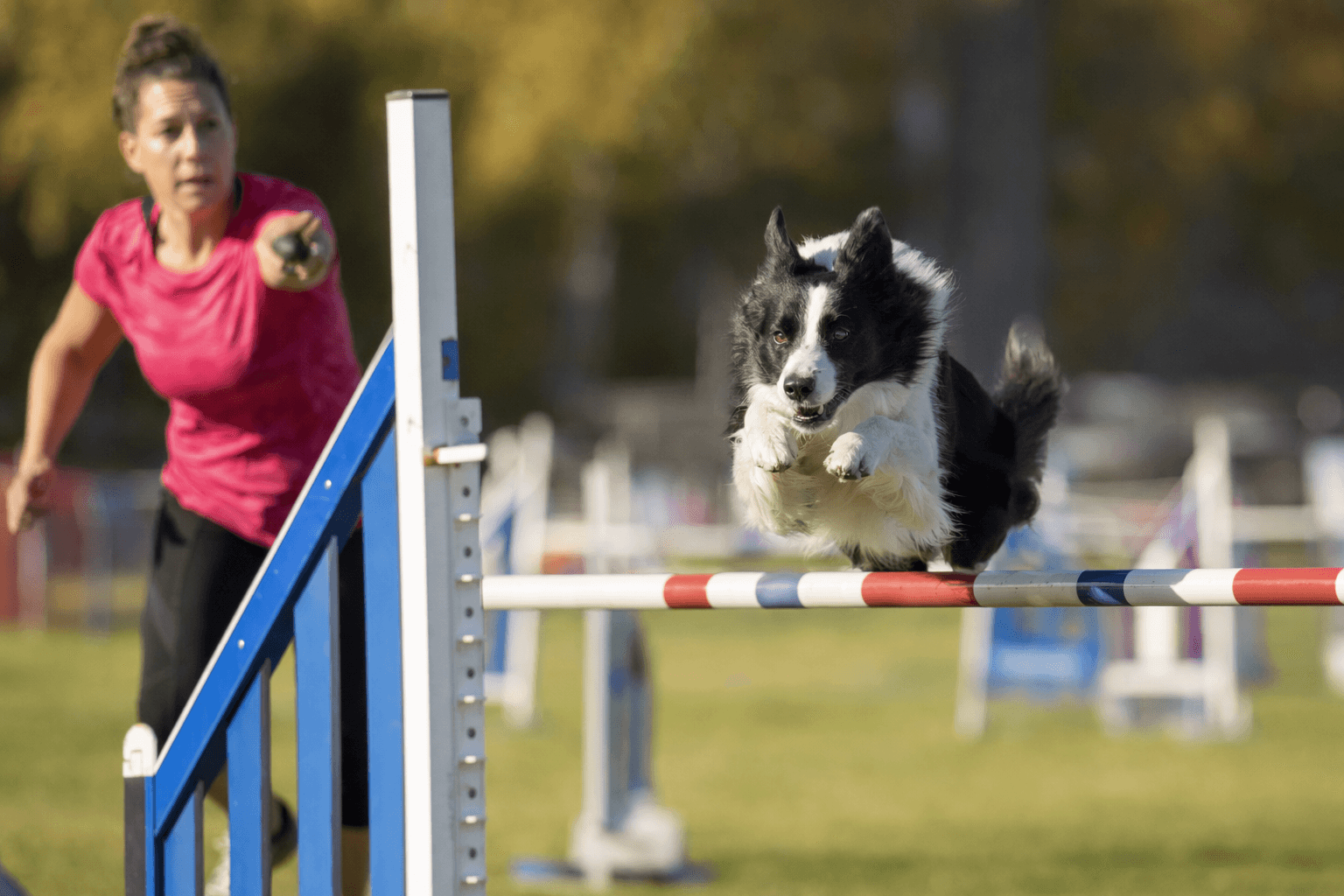
A field of 136 dogs turned the AKC Agility World Team Tryouts into a sharp reminder that elite agility has become a numbers game as much as a speed game. At Premier Sports Center in Southampton, New Jersey, handlers spent May 1-3 chasing one of the at least 16 spots on the U.S. team headed to the Fédération Cynologique Internationale Agility World Championships in Turku, Finland, on September 22-27.
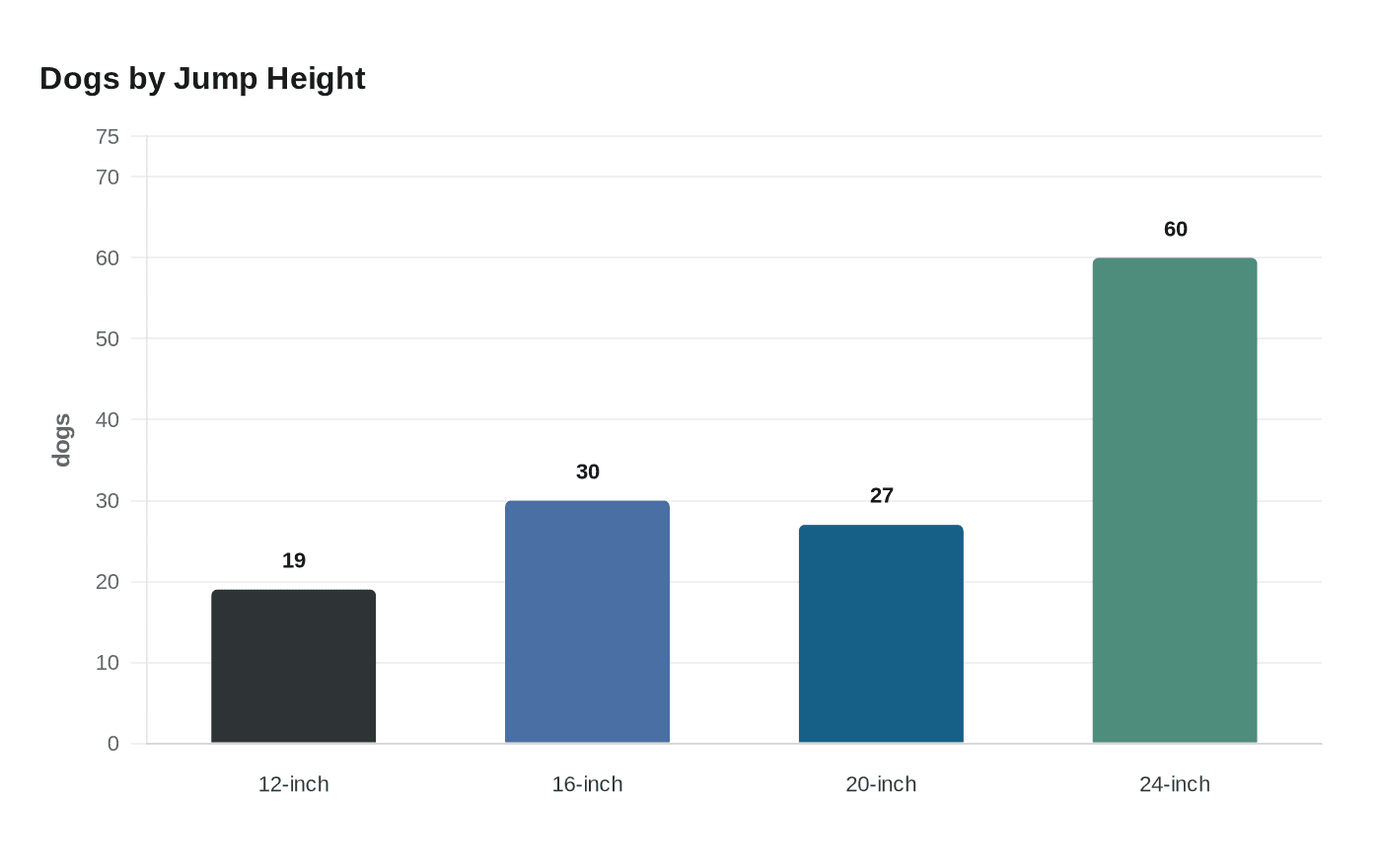
The spread by jump height showed how deep the pipeline has become. Bad Dog Agility counted 19 dogs in the 12-inch class, 30 in the 16-inch class, 27 in the 20-inch class and 60 in the 24-inch class, with the biggest dogs making up the largest slice of the field. Female dogs outnumbered males 76 to 60, a split that underscores how broad the competitive base has become at the top end of the sport.

Age mattered just as much as size. Bad Dog Agility said the most common birth year in the entry list was 2020, followed closely by 2021, which puts many of these dogs squarely in the 4-to-6-year-old prime window where experience and athleticism meet. The same preview called that pattern a Covid Tryout effect, and the label fits. Dogs born in 2020 and 2021 are old enough to have ring experience, but still young enough to carry the kind of speed that separates a national contender from a dog that is merely fast.
That is the real lesson in this tryout field: the route to the world stage is getting tighter, not easier. The AKC premium list makes clear that the 2026 team will send at least 16 dogs to Turku, and that means every clean line, every tight turn and every fraction of a second matters. This is not a local trial with ribbons at stake. It is the final sorting mechanism for handlers who want to represent the United States against the best in the world.
The American Kennel Club’s archive of past World Team tryout results, including 2025, 2024, 2023, 2022 and 2019, shows how established this selection pipeline has become. The team-history archive tells the same story: this is a long-running national ladder, and 136 entries in one event is proof that more handlers are climbing it harder than ever.
This article was produced by Prism’s automated news system from verified source data, official records, and press releases, then run through automated quality and moderation checks before publishing. The system is built and supervised by the people who set the standards it runs under. Read our full AI policy.
Did this article answer your question?