AKC guide shows Old English Sheepdog is gentle, agile and active
The Old English Sheepdog is more than a shaggy face. This guide shows the daily exercise, training, and grooming reality behind the breed’s soft, gentle charm.
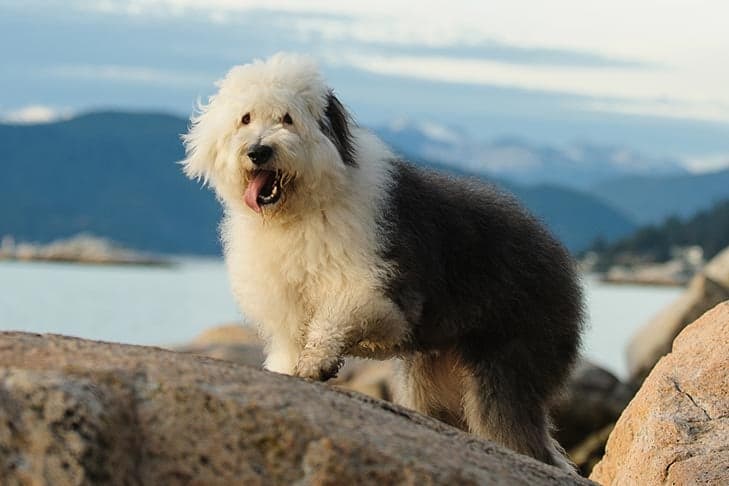
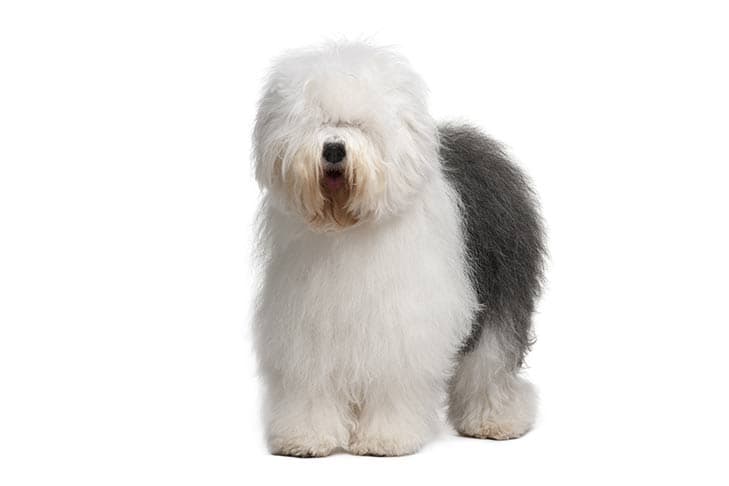
The Old English Sheepdog may look like a walking cloud, but the AKC guide keeps pulling the focus back to what is under the coat: a strong, compact, square, balanced dog that is muscular, agile, and built for real work. That mix of softness and athleticism is the whole point of the breed, and it is why the OES can be such a rewarding match for an active home that wants a gentle herder, not just a pretty face.
Built for work, not just for looks
AKC describes the breed as “smart / gentle / adaptable,” and that is the best shorthand for understanding why the Old English Sheepdog has lasted so long. This is a large dog that enjoys exploring, which means it needs more than a casual stroll around the block. The breed’s body and temperament both point in the same direction: it is happiest when it has room to move, a job to think through, and a family willing to stay involved.
That working background matters for anyone drawn in by the shaggy silhouette. The Old English Sheepdog is often remembered for the coat, but the official standard is clear that the breed’s structure and agility were meant to serve a shepherd’s or drover’s dog. In other words, the charm is real, but so is the engine.
Gentle with family, active in daily life
The breed profile makes a strong case for the OES as a family dog. It is described as excellent with children, patient, protective, and affectionate, which helps explain why it has such an easy appeal in the home. There is a mellow side to the breed, and for many households that is part of the magic.
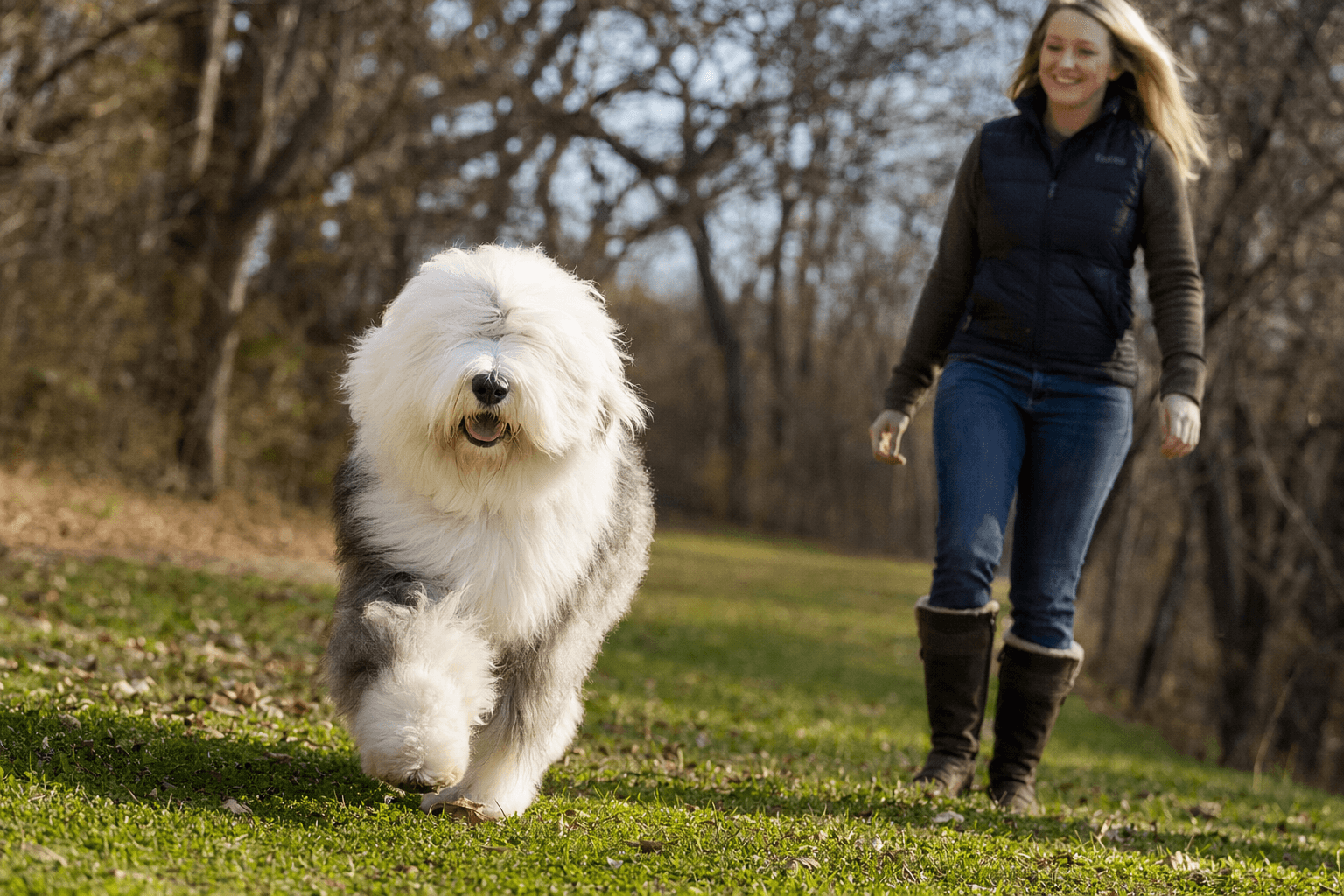
Still, mellow does not mean low-maintenance. VCA says the breed needs daily exercise to stay happy and well-behaved, and AKC notes that Old English Sheepdogs are intelligent and agreeable but can get bored with repetitive training. The smartest homes are the ones that treat the dog like a working partner, not a decorative companion.
Training has to stay interesting
This is where the mismatch risk shows up most clearly. A reader who sees the coat first might expect a couch dog, but the breed’s herding instincts can show up in very practical ways, including chasing or nipping at heels. VCA also notes that the breed can be stubborn, so the right approach is positive, confident, and consistent.
Variety matters because repetition can drain the breed’s attention fast. Early socialization and mixed-up exercises help keep the dog well adjusted and well behaved, especially in homes with children or other animals. The Old English Sheepdog is smart enough to learn quickly, but it wants the work to feel fresh.
- daily exercise with room to move
- training sessions that change pace and reward success
- early social exposure to people, dogs, and household activity
- clear boundaries so herding habits do not turn into heel-chasing
A good routine usually looks like this:
It is not a Border Collie or Cattle Dog in overdrive, but it is still very much an agile herding breed that needs engagement as much as affection.
The grooming commitment is substantial
The coat is the part most people notice first, and it is also the part that asks the most of you. AKC says the double coat should be groomed down to the skin at least once a week, and keeping the feet clipped helps minimize problems. VCA goes further, saying coat care can take four to six hours or more of brushing and combing each week.
That is the hidden cost of the look. Some owners clip the dog a few times a year, while others rely on a professional groomer to keep the coat manageable. If you want the classic Old English Sheepdog outline, you are signing up for a steady grooming routine, not an occasional tidy-up.
A breed with deep roots
The Old English Sheepdog Club of America traces the breed’s likely origins to the early nineteenth century in southwestern England, where it was used as a drover’s dog to drive sheep and cattle to market. That history fits the breed’s current profile almost perfectly: sturdy enough for work, agile enough to move with purpose, and strong enough to handle real demands.
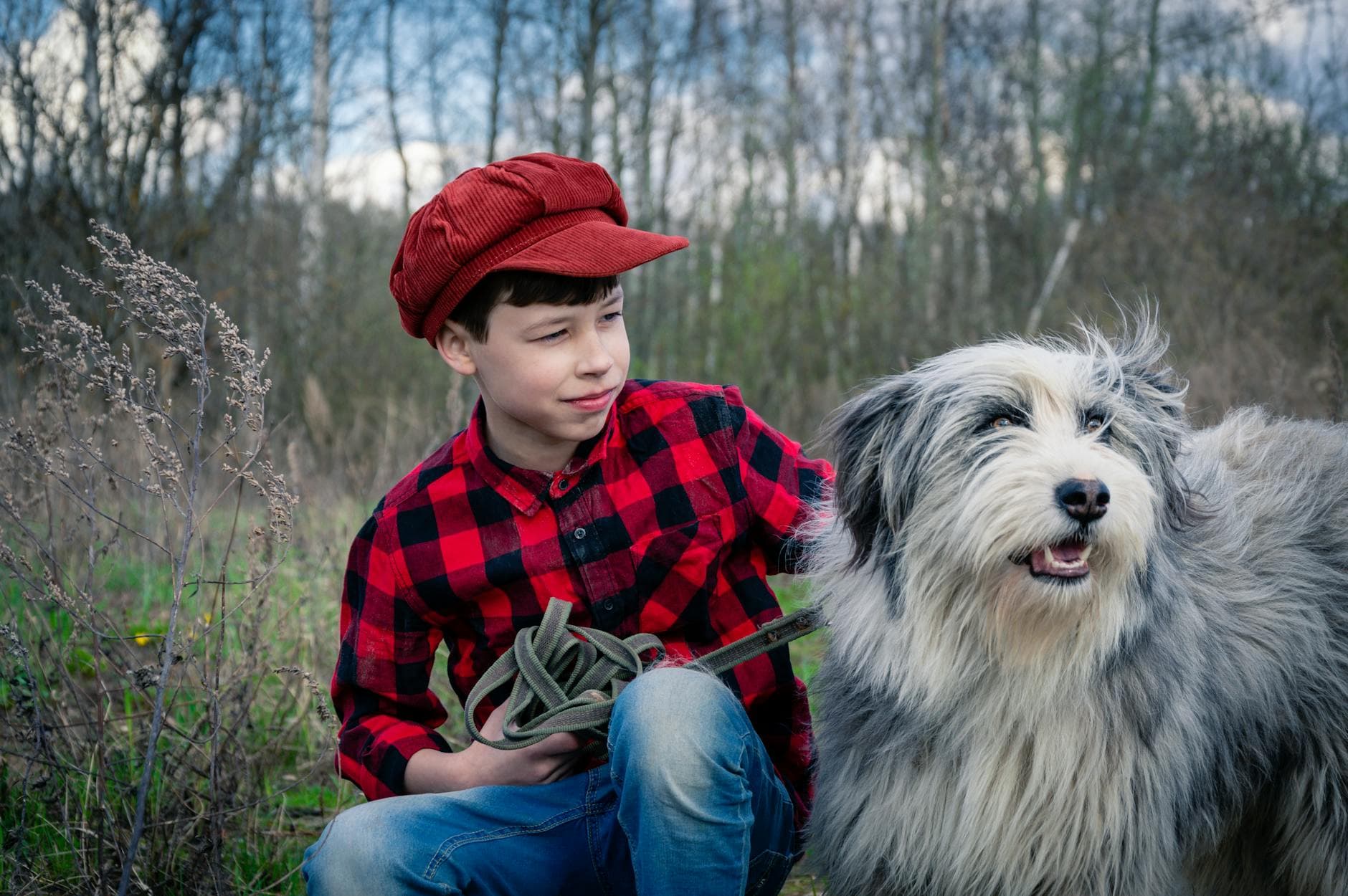
The Bobtail nickname is tied to the old practice of docking tails, possibly as proof of working status and tax exemption. The club also says Wm. Wade first promoted the breed in the United States in the late 1880s, and the breed was recognized by the AKC in 1888. By the turn of the twentieth century, five of the ten wealthiest American families, the Morgans, Vanderbilts, Goulds, Harrisons, and Guggenheims, reportedly owned, bred, or exhibited Old English Sheepdogs, and the 1904 Westminster Show in New York featured dogs owned by prominent families.
Even the bark has history in it. The breed standard notes a loud bark with a distinctive “pot-casse” ring, another reminder that this is a dog designed to be heard as well as seen.
Where the breed stands now
The Old English Sheepdog is not one of the most common purebreds in the ring or in the neighborhood. VCA cited the breed at 71st out of 154 AKC-registered breeds in 2006, and the broader popularity landscape has shifted dramatically, with French Bulldogs holding the No. 1 spot in 2024 for the third year in a row. The OES remains more of a specialty dog than a mass-market companion.
That is exactly why the breed deserves to be read correctly. The shaggy coat may get the first glance, but the real story is a gentle, active, highly intelligent herding dog that asks for exercise, structure, and serious grooming. Under all that hair, the Old English Sheepdog is still the kind of worker that was built to move, think, and stay close to its people.
This article was produced by Prism’s automated news system from verified source data, official records, and press releases, then run through automated quality and moderation checks before publishing. The system is built and supervised by the people who set the standards it runs under. Read our full AI policy.
Did this article answer your question?