AKC profile spotlights Australian Cattle Dog for active owners
The Australian Cattle Dog can thrive in a busy, structured home, but AKC’s new profile makes the test clear: this breed needs work, not just walks.
Can your home actually satisfy an Australian Cattle Dog?
The American Kennel Club’s new profile answers that question with a blunt standard: only if you can keep up. This is a breed for seasoned owners and especially active households, the kind that already live inside a training routine, a running schedule, or a dog-sport calendar.
Built for work, not for waiting around
The Australian Cattle Dog was shaped for a job long before it became a profile page. The Australian Cattle Dog Club of America traces the breed to 19th-century Australia, where herding dogs had to cope with rough terrain, unfenced scrub ranges, and harsh conditions that imported British dogs could not handle well enough. The breed was valued for helping the beef industry, which explains why stamina, grit, and problem-solving are still central to its identity.
That history includes early crosses with Dingoes, followed by Dalmatian and Black and Tan Kelpie influence as breeders refined the type. The same history page says Robert Kaleski drew up a breed standard in 1902, and it was approved in 1903. By the time the breed was recognized by the American Kennel Club in 1980, its working reputation was already deeply established.
The home test: do you have enough to offer every day?
AKC says the Australian Cattle Dog is happiest when mentally and physically challenged. That is the key sentence for anyone trying to decide if the breed fits the household. This is not a dog that wants exercise as a bonus. It wants a purpose, repetition, and structure, whether that means farm work, sports, or being a running companion.
- Daily vigorous exercise, not occasional outings
- Regular training that asks the dog to think, not just move
- A household that enjoys giving a dog a job
- Space in the routine for long runs, agility, obedience, or herding work
A realistic home setup for this breed should include more than a backyard and a few fetch sessions. Think in concrete terms:
The profile makes the fit even narrower by noting that the breed is not recommended for young children and not recommended with other dogs. That does not make the Australian Cattle Dog unsuitable for every family, but it does mean the breed asks for careful matching. If your house is busy in a chaotic way, the dog may not be the right fit. If your life is busy in a structured, active way, the breed’s drive can be an asset instead of a problem.
What the dog looks like, and what that means in real life
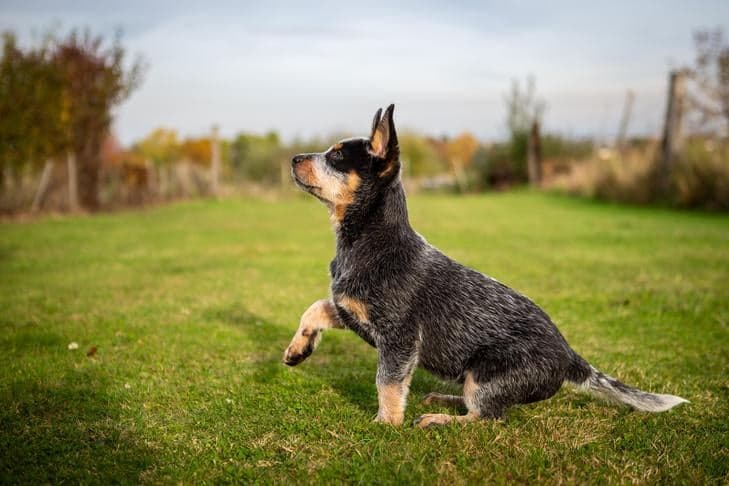
The Australian Cattle Dog is compact and muscular, typically standing 17 to 20 inches tall and weighing 35 to 50 pounds. That size matters because it gives the breed the power to work hard without becoming a giant dog that overwhelms smaller homes. It is still a serious athlete, though, and the body is built for movement, traction, and endurance rather than lounging.
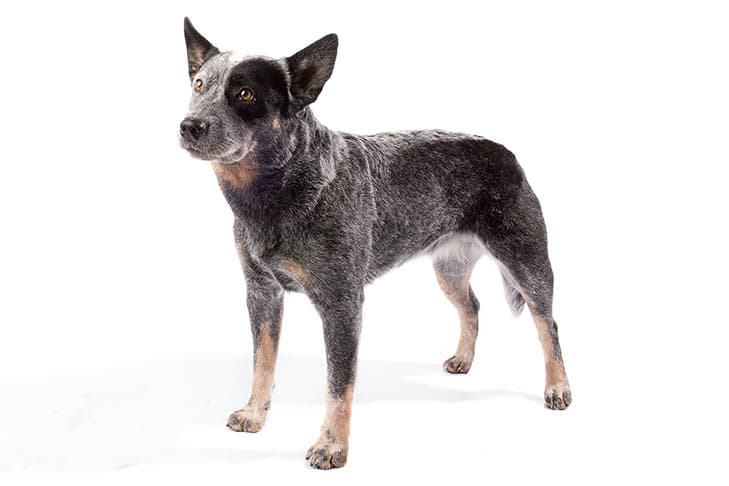
AKC describes the breed as intelligent, tenacious, and sometimes wary of strangers. In practical terms, that means training is not optional. A dog that notices everything and wants to engage with the world can become a superb partner, but only if the owner is ready to guide that energy early and consistently. For active owners, that combination is exactly what makes the breed so appealing: the dog is capable, alert, and eager to have a task.
Grooming is easy, but the coat still needs attention
One reason the breed can appeal to busy households is its low-maintenance coat. The smooth double coat is made for outdoor work and protection, not constant salon-level upkeep. AKC still recommends weekly brushing, with more frequent brushing during the breed’s heavier shedding periods, which come twice a year.
That makes the coat manageable, but not invisible. Anyone considering an Australian Cattle Dog should expect some seasonal shedding and build brushing into the routine. This is a breed that rewards consistent basic care rather than elaborate grooming, which fits the same pattern as its exercise needs: simple habits matter more than occasional big efforts.
Health, longevity, and the long view
AKC lists the Australian Cattle Dog’s life expectancy at 12 to 16 years, and Britannica gives the same range. That is a long commitment for a working breed with real drive, which should matter to anyone trying to judge fit, not just appeal. The breed’s toughness is part of its appeal, and Guinness World Records highlights that reputation through Bluey, the Australian Cattle Dog who lived 29 years 5 months and remains the oldest dog ever recorded.
Hardy does not mean invulnerable. PetMD notes common health concerns including deafness, progressive retinal atrophy, and hip dysplasia. Those are the kinds of conditions that make reputable breeding, routine veterinary care, and honest screening especially important. If you want a dog that can go the distance, you still need to plan for the risks that can come with a working breed’s build and history.
The bottom line for active homes
The Australian Cattle Dog makes sense when the household itself can function like a training partner. AKC’s profile, the breed’s history, and its working roots all point to the same conclusion: this is a dog for people who want to exercise, train, and problem-solve alongside their pet.
If your idea of ownership includes long runs, dog sports, herding-style work, and a daily routine that gives a dog something to do, the breed’s athleticism becomes a strength. If your home cannot offer that mix of structure, challenge, and attention, the Australian Cattle Dog will not be content pretending otherwise.
This article was produced by Prism’s automated news system from verified source data, official records, and press releases, then run through automated quality and moderation checks before publishing. The system is built and supervised by the people who set the standards it runs under. Read our full AI policy.
Did this article answer your question?