Award-winning military working dog guards presidents, serves overseas
EErek, a military working dog honored at Fort Stewart, guarded two U.S. presidents and served overseas, including North Korea.
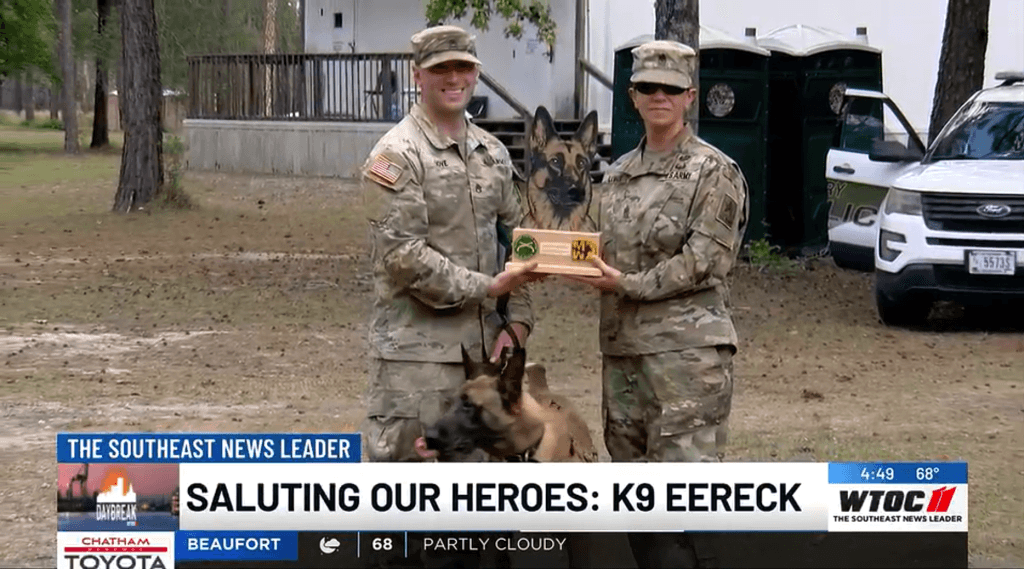
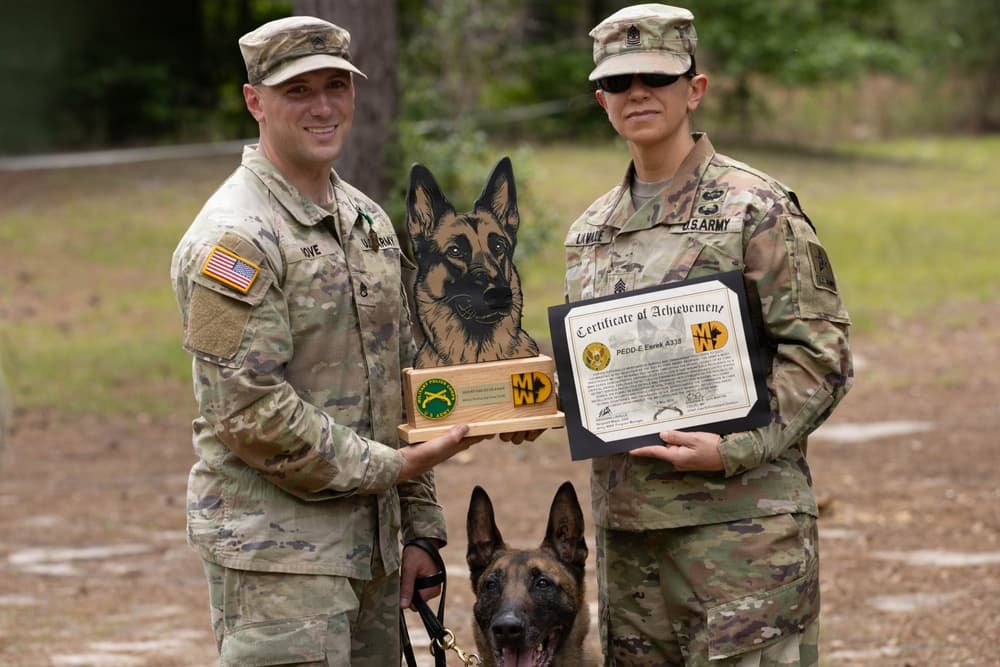
At Fort Stewart, Georgia, EErek was singled out for the kind of work most dogs never come close to seeing. On May 5, 2026, the military working dog received the 2025 K9 York Award, a recognition reserved for the dog that best exemplifies outstanding performance, training and operational effectiveness.
EErek’s career put him in some of the most demanding protective assignments in the military dog world. He worked protection details for the two current U.S. presidents and served overseas in support of dignitary protection, including in North Korea. For a dog already operating at the highest end of the profession, that is a rare combination of visibility, pressure and discipline.
The award also underscored how tightly structured military dog work really is. U.S. officials say about 1,600 military working dogs are deployed with U.S. forces worldwide, while a 2017 Government Accountability Office report put the number at about 1,800 in service as of October 2016. The Department of Defense says the Belgian Malinois is the only breed raised in its puppy program, with roughly 50 to 90 puppies born into it each year, and that most dogs entering regular service complete about 120 days of training.
That training is built for jobs that demand more than energy. Military working dogs are taught daily obedience, patrol work, detection, controlled aggression and search tasks, a mix that turns raw drive into a tool for security teams in crowded, high-stress environments. The White House said in March 2026 that dogs serve alongside U.S. forces and law enforcement and help protect the nation, a reminder that these animals are treated as working professionals, not mascots.
The deeper story around EErek reaches back through the history of the program itself. The Defense Department says official U.S. military use of dogs began in the early 1900s, and the modern working-dog program was shaped after World War I, building on the long record of canines in battle. That history helps explain why a dog like EErek can move from a kennel to presidential protection details and overseas assignments.
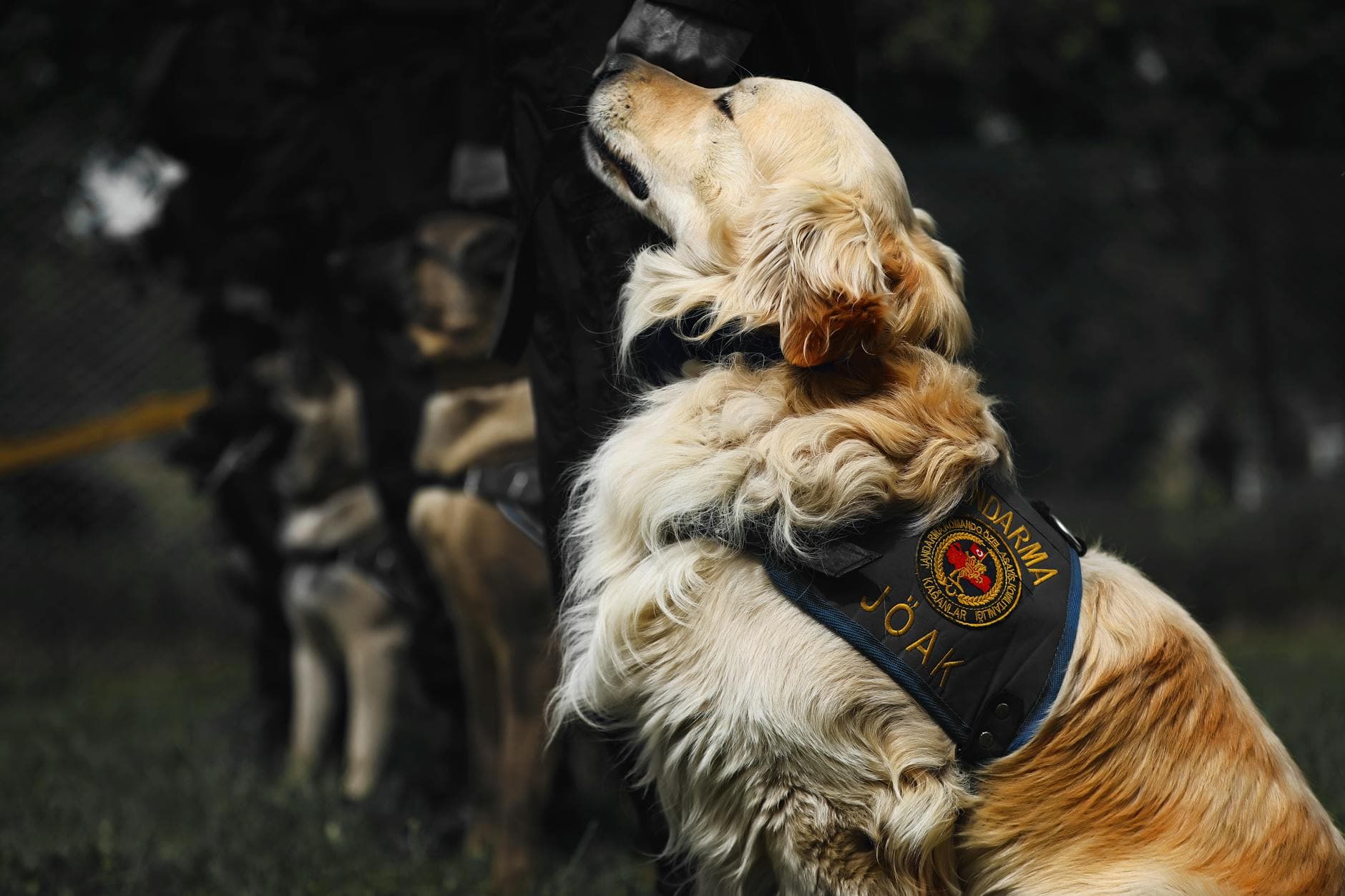
EErek’s award at Fort Stewart fit the same pattern that defines elite hyperenergetic dogs at the top of their field: drive, structure and purpose welded together. In a world where stamina and focus matter as much as speed, his career showed exactly what happens when exceptional energy is put to work.
This article was produced by Prism’s automated news system from verified source data, official records, and press releases, then run through automated quality and moderation checks before publishing. The system is built and supervised by the people who set the standards it runs under. Read our full AI policy.
Did this article answer your question?