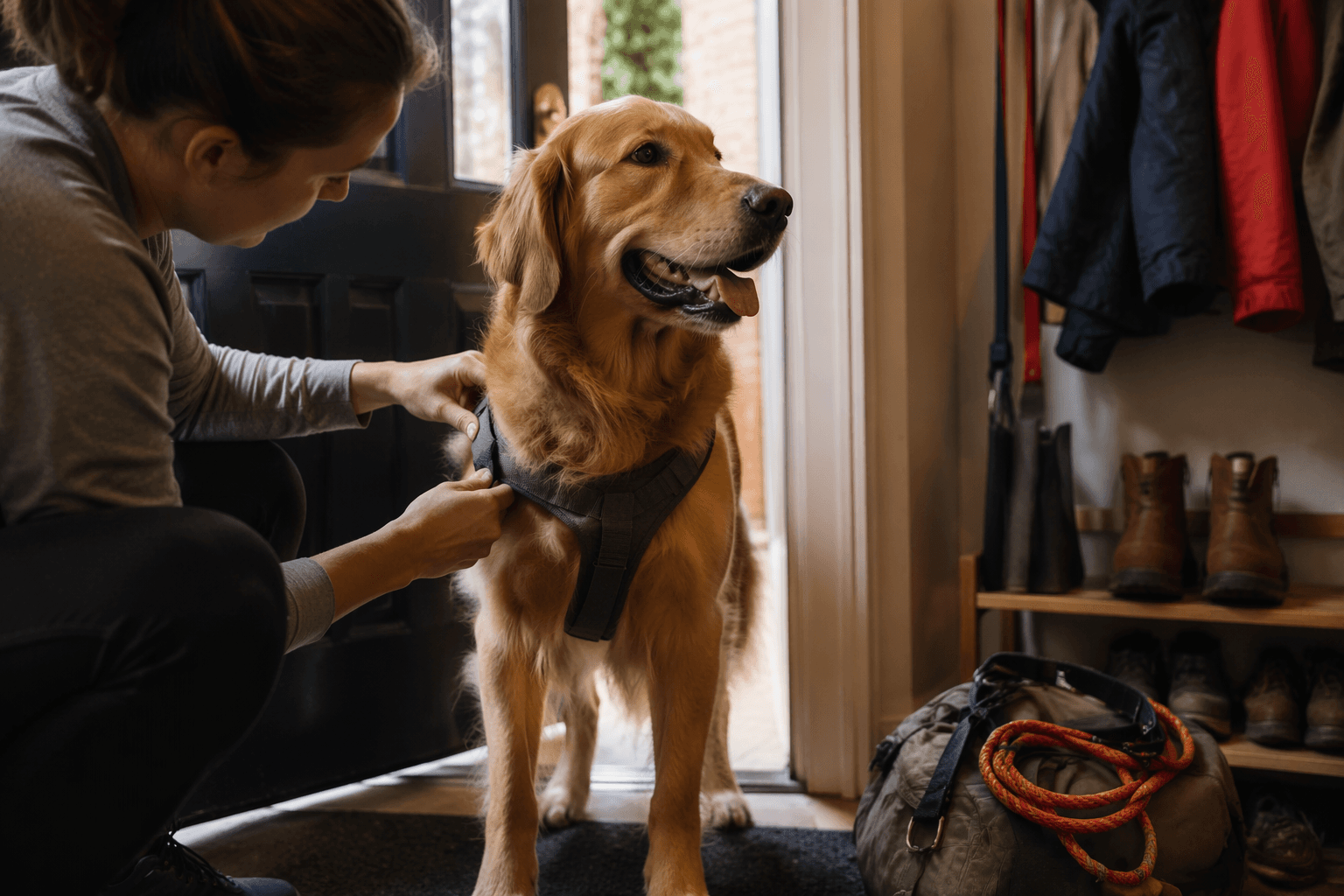
Brittanys shine as energetic, versatile companions for active owners
Brittanys look breezy and cheerful, but they are serious, high-drive hunting dogs that need daily work, structure, and an owner who can keep up.

The Brittany reality check
A Brittany can look like the perfect sporty companion from a distance: compact, bright-eyed, and always ready to move. The catch is that this breed is not just “active” in a casual, weekend-warrior way. It is a purpose-bred Sporting Group dog, built to work, cover ground, and stay mentally switched on, which means a bored Brittany will not quietly blend into the background.
That is the real dividing line with this breed. In an active home, a Brittany can be a flexible partner for long walks, runs, hikes, hunting, and dog sports. In a home that wants a cheerful pet but not a high-output companion, it can become a lot of dog very fast.
Smallish size, big engine
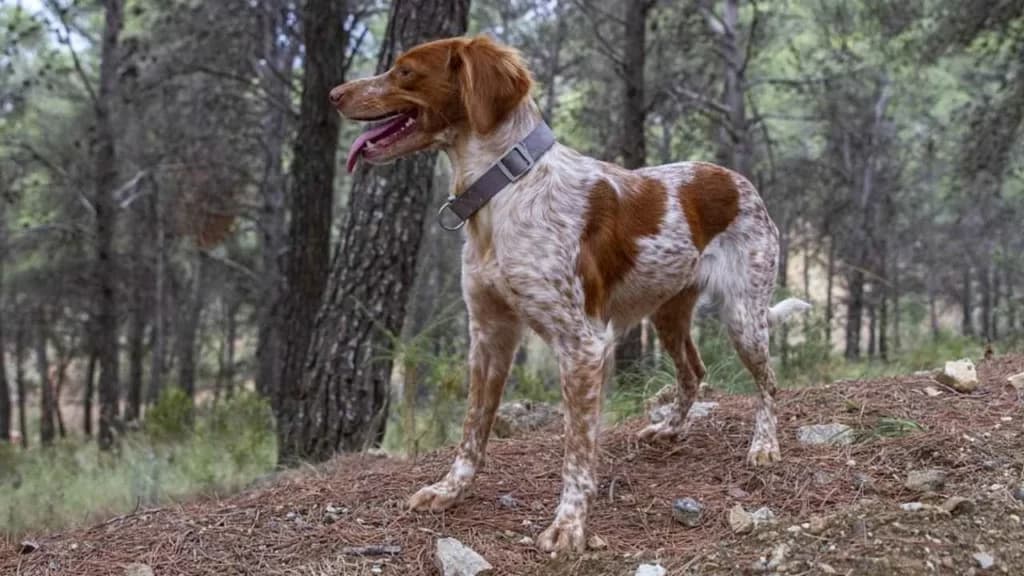
The Brittany’s numbers tell the story plainly. The AKC breed standard puts the dog at 17 1/2 to 20 1/2 inches at the shoulder and 30 to 40 pounds. That makes it a medium-size breed, not a giant field dog, but size alone is misleading here. The AKC describes the ideal Brittany as compact, closely knit, strong, vigorous, energetic, and quick of movement.
That athletic build is part of why the breed works so well for people who want a dog that can actually keep pace with them. It is agile enough for sports and outdoor adventure, but substantial enough to be a serious working companion. The short, flat or wavy coat adds to the practical side of the package, because grooming stays manageable even when the rest of the dog is full throttle.
What the daily exercise load really looks like
This is where the Brittany’s charm turns into a reality check. The breed needs plenty of exercise and mental stimulation, and when those needs are not met, the dog will make the problem known. Brittanys are known for letting owners know when they need attention or activity, which is useful if you like clear communication and exhausting if you do not have time to answer it.
The right daily routine is not a quick lap around the block. Think long walks, runs, hiking, field work, or structured sport sessions that give the dog a job. AKC guidance also notes that exercise needs vary by individual dog and should be discussed with a vet or breeder, especially for puppies, because the right amount of activity has to match age and condition.
Training is not optional, and neither is the tone you use
Brittanys are described as joyful, bright, eager, and highly intelligent, which sounds easy until you remember that smart, energetic dogs can also test boundaries. The breed responds best to patient, encouraging training methods. That matters because this is not a dog that usually thrives on heavy-handed corrections or a fight for control.
Early socialization and puppy classes make sense here, not as extras but as part of the foundation. The Brittany is generally ready and willing to work with its owner, but it is also gentle and sensitive, so the training plan has to build trust while keeping standards clear. If you want a dog that learns fast, this breed can deliver. If you want one that can be pushed around, it is the wrong fit.
A real sport dog, not just a casual walker
The Brittany’s versatility is one of its strongest selling points. AKC guidance points to hunting partnerships and hiking as natural outlets, and the breed also excels in obedience, agility, flyball, and dock diving. That is a wide spread of activities, but the common thread is the same: the Brittany wants a task, movement, and a handler who will stay engaged.
That is why the breed appeals so much to active households and sport homes. It is smaller than many field dogs, but it is still high-drive and ready to work. For someone who wants one dog that can handle a trail run one day and a training ring the next, the Brittany makes a convincing case.
Grooming is the easy part
Compared with the exercise and training load, grooming is refreshingly simple. AKC guidance says the Brittany’s flat or wavy short coat requires minimal grooming, with weekly brushing and monthly nail trimming as needed. Ear care and basic nail trimming round out the routine, and the nails often wear down naturally, which takes some of the pressure off maintenance.

That easy-care coat is part of the appeal for people who want an athletic dog without a heavy grooming bill or a complicated coat schedule. It does not erase the rest of the breed’s needs, though. A low-maintenance coat is not the same thing as a low-maintenance dog.
History backs up the workload
The Brittany did not arrive as a decorative companion and then discover field work later. The AKC recognized the breed in 1934, and the breed’s name was officially changed in 1982 from Brittany Spaniel to Brittany because the American breed fancy judged it to be closer to pointers than spaniels. That shift says a lot about how the dog is understood in working circles.
The breed’s roots run through France. The FCI lists France as the country of origin and says a draft standard was drawn up in Nantes in 1907 before being adopted in Loudéac on June 7, 1908, by the Naturally Short-Tailed Brittany Spaniel Club. The FCI also describes the Brittany as one of the oldest spaniel-type dogs and the smallest of the pointing breeds. Add in the fact that the Brittany is the only fully French breed in the AKC Sporting Group, and the breed’s identity becomes pretty clear: this is a historical working dog with a modern athletic edge.
Popularity, health planning, and what responsible ownership looks like
The Brittany is not obscure, but it is still specialized enough to attract people who know what they want. AKC breed popularity ranking puts it 31st out of 205 recognized breeds, which shows real appeal without turning it into a mass-market easy pick. That middle ground fits the breed well: visible, respected, and still demanding enough to reward the right owner.
Responsible ownership goes beyond exercise and manners. The American Brittany Club recommends hip evaluation and yearly ophthalmologist exams from ages 2 to 8 as part of breeder health checks, which is a useful reminder that a high-output dog still needs thoughtful health screening. The Brittany is at its best when the home plan includes motion, structure, and purpose from the start.
A Brittany can be a fantastic match if you want a dog that treats activity like a lifestyle, not a novelty. But if the daily walk is going to be the main event, this breed will quickly expose the gap between looking sporty and living sporty.
This article was produced by Prism’s automated news system from verified source data, official records, and press releases, then run through automated quality and moderation checks before publishing. The system is built and supervised by the people who set the standards it runs under. Read our full AI policy.
Did this article answer your question?