Canine Rehabilitation Institute Updates Resource Hub for Fitness and Rehab Professionals
Ask one question before booking a canine rehab appointment: does the practitioner hold a CCRT? CRI's refreshed hub shows exactly where to find one.
The credential that separates a legitimate canine rehab practitioner from someone with a weekend seminar takes three years, two coursework modules, and a 40-hour supervised internship to earn. That's the Certified Canine Rehabilitation Therapist designation, and it's the single most useful question to ask before booking any rehab consultation for an athletic dog.
The Canine Rehabilitation Institute refreshed its professional resources hub on March 27, giving sport dog handlers and veterinary professionals a centralized reference for locating CCRT-qualified practitioners, evaluating rehabilitation equipment, and accessing continuing education recognized by the American Association of Veterinary State Boards. CRI's certification programs also carry RACE approval, meaning the coursework counts directly toward veterinary license requirements, which signals that this isn't a niche credential operating outside mainstream veterinary medicine.
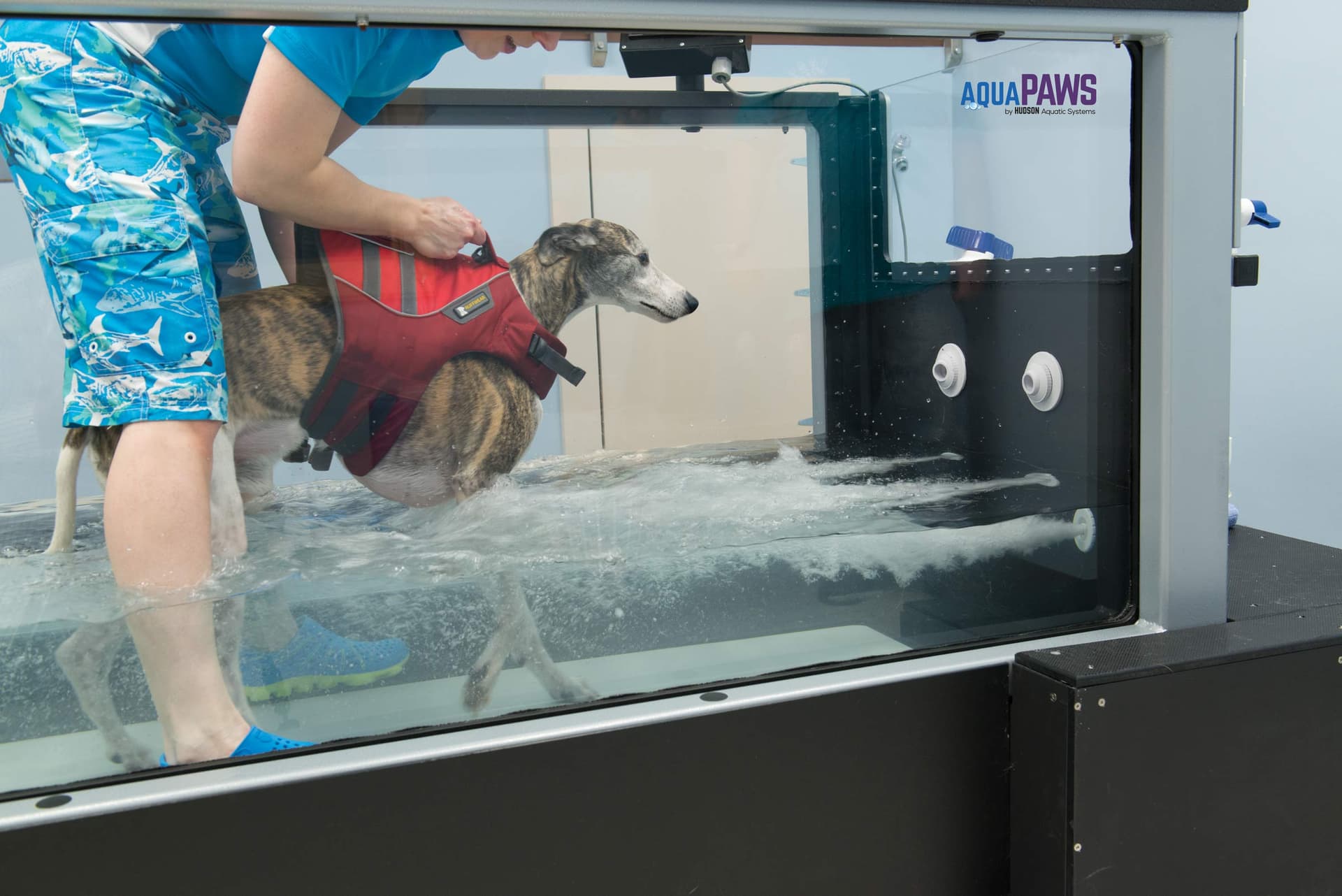
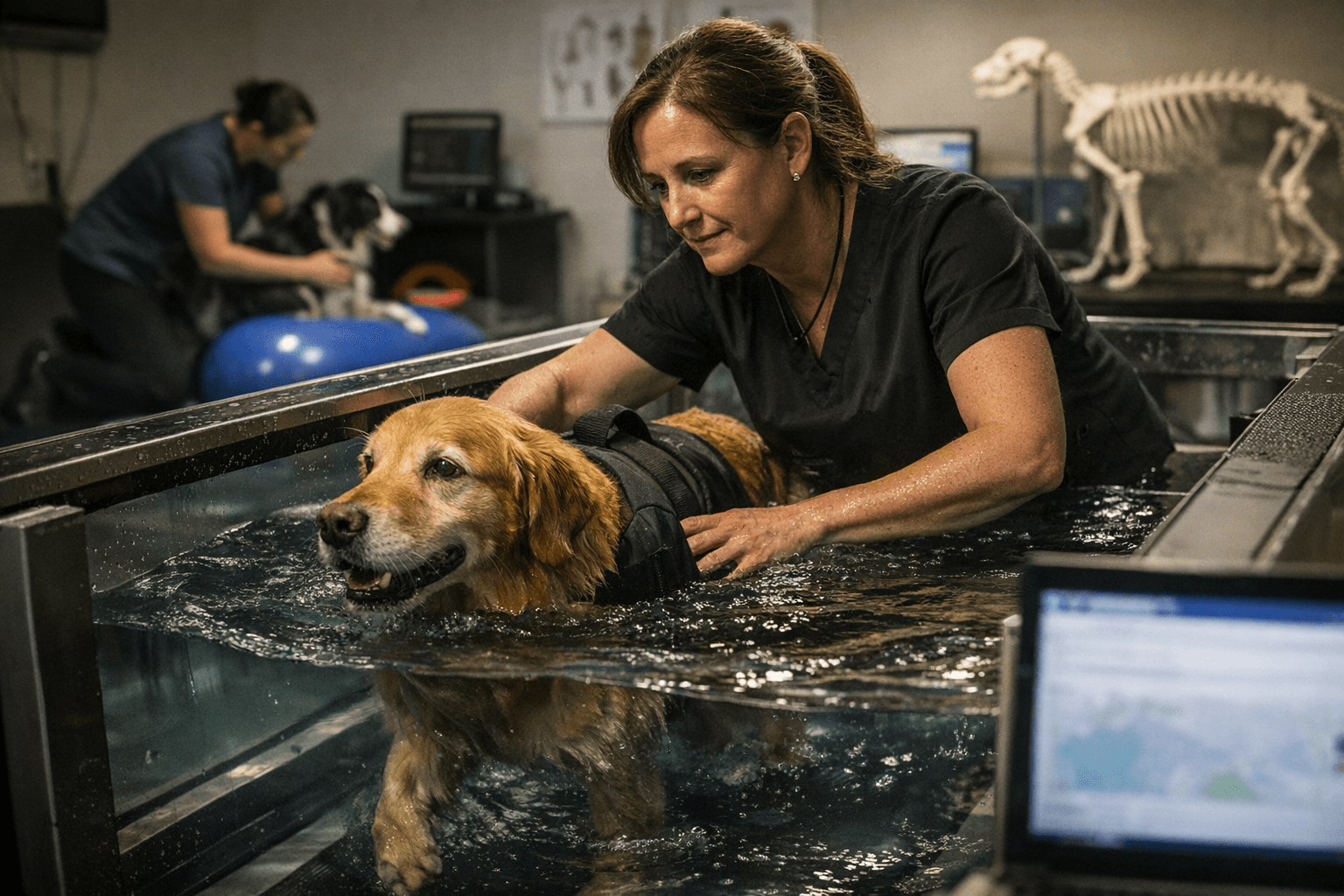
The hub identifies the tools most commonly appearing in evidence-based rehabilitation programs, and understanding what each one actually does prevents getting sold on expensive modalities that don't fit the problem. Therapeutic laser reduces inflammation and supports tissue repair in post-surgical and soft-tissue cases. Underwater treadmill work adjusts water height to control the load on a dog's joints, using buoyancy to enable gait training before the dog can tolerate full bodyweight on land. FitPaws equipment, including balance discs, peanut balls, and wobble boards, builds the proprioception and core strength that high-drive dogs need both during injury recovery and as pre-season conditioning. Thysol's high-energy focused sound wave technology is one of the few modalities in this space backed by peer-reviewed published clinical research.
Beyond equipment, the hub aggregates professional organizations including the American College of Veterinary Sports Medicine and Rehabilitation and the International Association of Veterinary Rehabilitation and Physical Therapy, alongside vendors like Help'Em Up harnesses and the M-VET Therapy Laser system. CRI's open course catalog lists enrollment dates for CCRT training modules, an osteoarthritis symposium, and diagnostic musculoskeletal ultrasound workshops aimed at veterinarians expanding their clinical toolkit.
The core logic behind the refresh is that a pre-season mobility screen with a credentialed practitioner, combined with targeted home conditioning under professional guidance, costs far less than the training weeks lost to a soft-tissue injury caught late in a competition cycle.
Know something we missed? Have a correction or additional information?
Submit a Tip