Cesar Millan Shows How Jobs and Routines Curb Dogs' Roaming Drive
Cesar Millan demonstrated practical steps to curb dogs' roaming and prey drive by identifying their instinctive mission and giving them structured jobs and predictable routines.
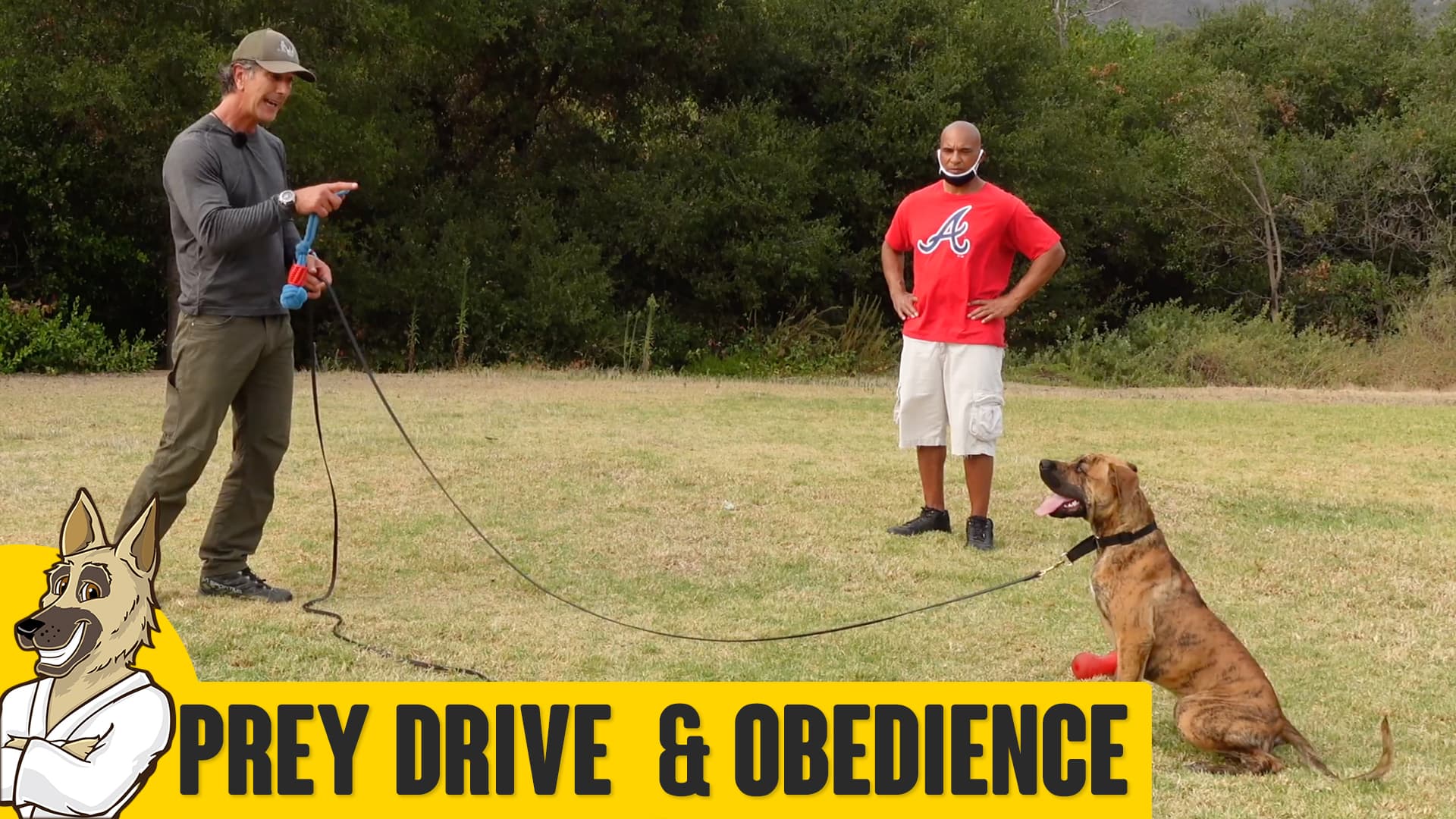
Cesar Millan used a short Dog Whisperer segment to show owners how to tackle strong roaming and prey drive by first identifying why a dog leaves home and then channeling that energy into purposeful work. The video, posted February 7, 2026, walked viewers through a methodical approach that focuses on function over punishment: figure out the dog's instinctive mission, then meet that need with jobs and predictable routines that satisfy the drive and reduce wandering.
The segment opened with an on-camera assessment of a dog whose roaming behavior risked escapes and neighborhood conflicts. Millan emphasized that many dogs do not roam out of mischief but because they are fulfilling an instinctive role - hunting, patrolling, or searching. Once the mission is clear, Millan showed how assigning consistent tasks and creating a daily rhythm reshapes outlets for that energy. The demonstration illustrated practical steps owners can start immediately: structured walks, scheduled scent or retrieval work, designated supervision windows, and a predictable feeding and activity timetable.
For readers living with hyperenergetic dogs, the tactic has clear community value. A roaming dog can trigger safety issues - road accidents, confrontations with wildlife, and strained relations with neighbors. Converting aimless roaming into a repeatable job reduces these risks while improving a dog's mental health. Owners who adopt Millan's approach report fewer escapes and calmer behavior during transitions like coming home, feeding time, and evening rest.
The approach fits into common training vocabulary in the Hyperenergetic Dogs community: channeling prey drive into enrichment, using impulse-control exercises, and building reliable recall. Millan's segment focused less on formal obedience drills and more on consistent daily structure - predictability that dogs rely on to make good decisions. For dogs driven by scent or chase, that structure can include tracking games, nosework sessions, and purpose-driven fetch sequences that mimic natural tasks and tire the brain as well as the body.

Practical implementation starts small. Identify the dog's likely mission by observing when it roams and what it seeks. Create a consistent schedule for walks, play, and jobs. Swap unstructured free time for short, goal-oriented activities that meet the same instinctive need. For dogs with a high prey drive, management steps - secure fencing, leashes on outings, and supervised off-leash time in safe areas - remain essential while training takes effect.
Cesar Millan's segment reminds owners that roaming is a signal, not merely bad behavior. By turning drive into duty with structured jobs and predictable routines, owners can keep dogs safer, calmer, and more connected to their households. Implementing these ideas consistently is the next step for readers who want fewer escapes and a happier, more focused dog.
This article was produced by Prism’s automated news system from verified source data, official records, and press releases, then run through automated quality and moderation checks before publishing. The system is built and supervised by the people who set the standards it runs under. Read our full AI policy.
Did this article answer your question?