Dalmatians Vanishing From Public Life Due to High Energy, Training Demands
A viral question about vanishing Dalmatians connects to one of the most dramatic collapses in dog-breed history: a 97% AKC registration crash in a decade.
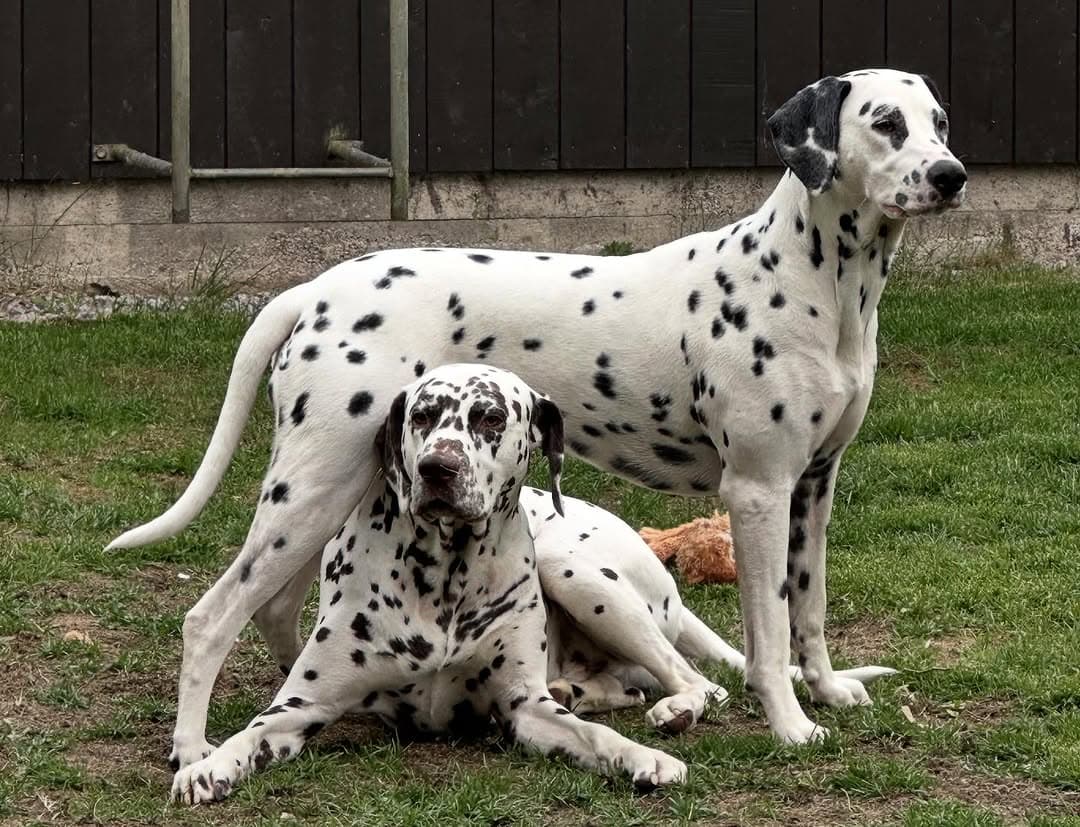
Forty-two thousand eight hundred and sixteen Dalmatian puppies were registered with the American Kennel Club in 1993. Within a decade, that number had cratered by 97%, the steepest single-breed registration collapse in AKC history. A viral post asking where all the Dalmatians went has reignited the debate, and the answer runs straight through two Disney films and the daily reality of living with one of the highest-drive working breeds in existence.
The annual number of Dalmatian puppies registered by the AKC skyrocketed from 8,170 to 42,816 following re-releases of the animated 101 Dalmatians in 1985 and 1991. Thousands of families, drawn to the breed's unmistakable spotted coat and pop-culture cachet, brought Dalmatians home without a firm understanding of what the breed actually demands. Animal shelters across North America and Europe reported spikes in Dalmatian abandonments within a few years of the film's release, and the same phenomenon repeated with the live-action remake in 1996.
Many buyers were drawn to the look rather than the lifestyle needs of the breed, leading to widespread surrender rates when owners realized how high-maintenance Dalmatians truly are. What those families encountered was a dog that requires a minimum of two hours of daily exercise, not as a preference but as a floor. Dalmatians require at least 2 hours of exercise daily to stay happy, healthy, and well-behaved, and that figure is explicitly described as a minimum for the athletic breed. Dalmatians can be very high-energy dogs and can easily get into mischief if they don't have enough opportunity for physical and mental exercise. The breed's independent streak compounds the challenge for first-time owners, making inconsistent training especially costly.
According to the American Kennel Club, Dalmatian registrations have steadily declined since the 1990s, and in 2023 they ranked 75th out of 199 recognized breeds, a far cry from their peak popularity. Responsible breeders have since tightened standards significantly, requiring contracts, genetic health screening, and home checks before placing puppies. That deliberate gatekeeping has reduced volume while improving outcomes, which is part of why spotting a Dalmatian at a dog park has become a genuinely rare event.

For anyone chasing the lean, athletic silhouette without the two-plus-hour daily commitment, the Vizsla, Weimaraner, and German Shorthaired Pointer occupy a comparable energy tier with field-ready builds and established breeder networks. The German Shorthaired Pointer even carries a liver-and-white ticked coat that echoes the Dalmatian's distinctive spotting. These breeds carry their own intensity but have broader rescue infrastructure in most regions for owners who want to adopt rather than purchase.
The Dalmatian's current scarcity is not a quirk of shifting taste. It is the corrective aftermath of one of the most dramatic supply-demand crashes in modern dog breeding, and the breed is arguably more stable for it. The people raising Dalmatians today, by and large, ran the numbers before the dog came home.
This article was produced by Prism’s automated news system from verified source data, official records, and press releases, then run through automated quality and moderation checks before publishing. The system is built and supervised by the people who set the standards it runs under. Read our full AI policy.
Did this article answer your question?