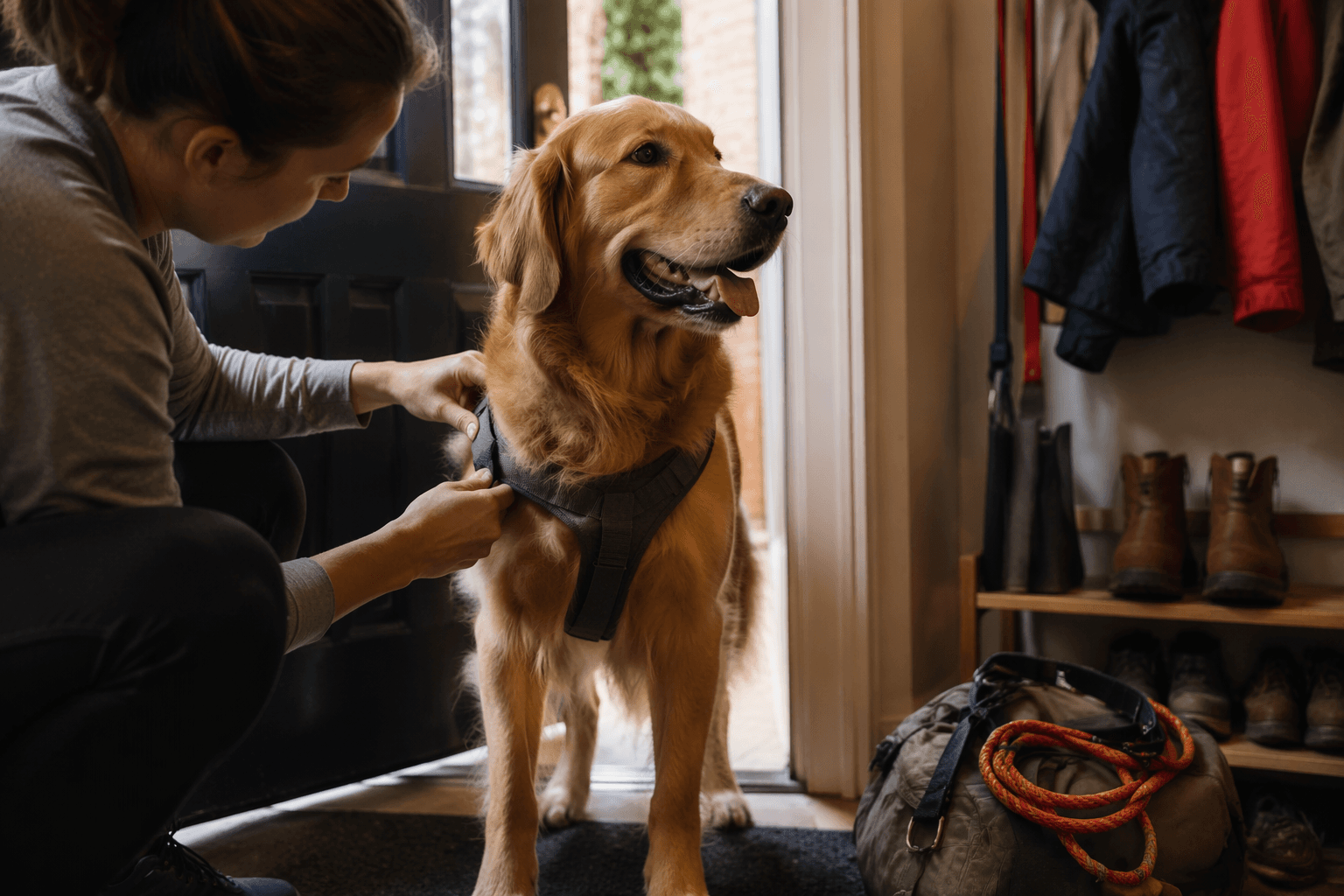
DARPA seeks dual-use medical gear for military dogs and humans
DARPA is courting dual-use gear that can treat a warfighter and a military dog, from sensors to plasma, before the June 3 deadline.
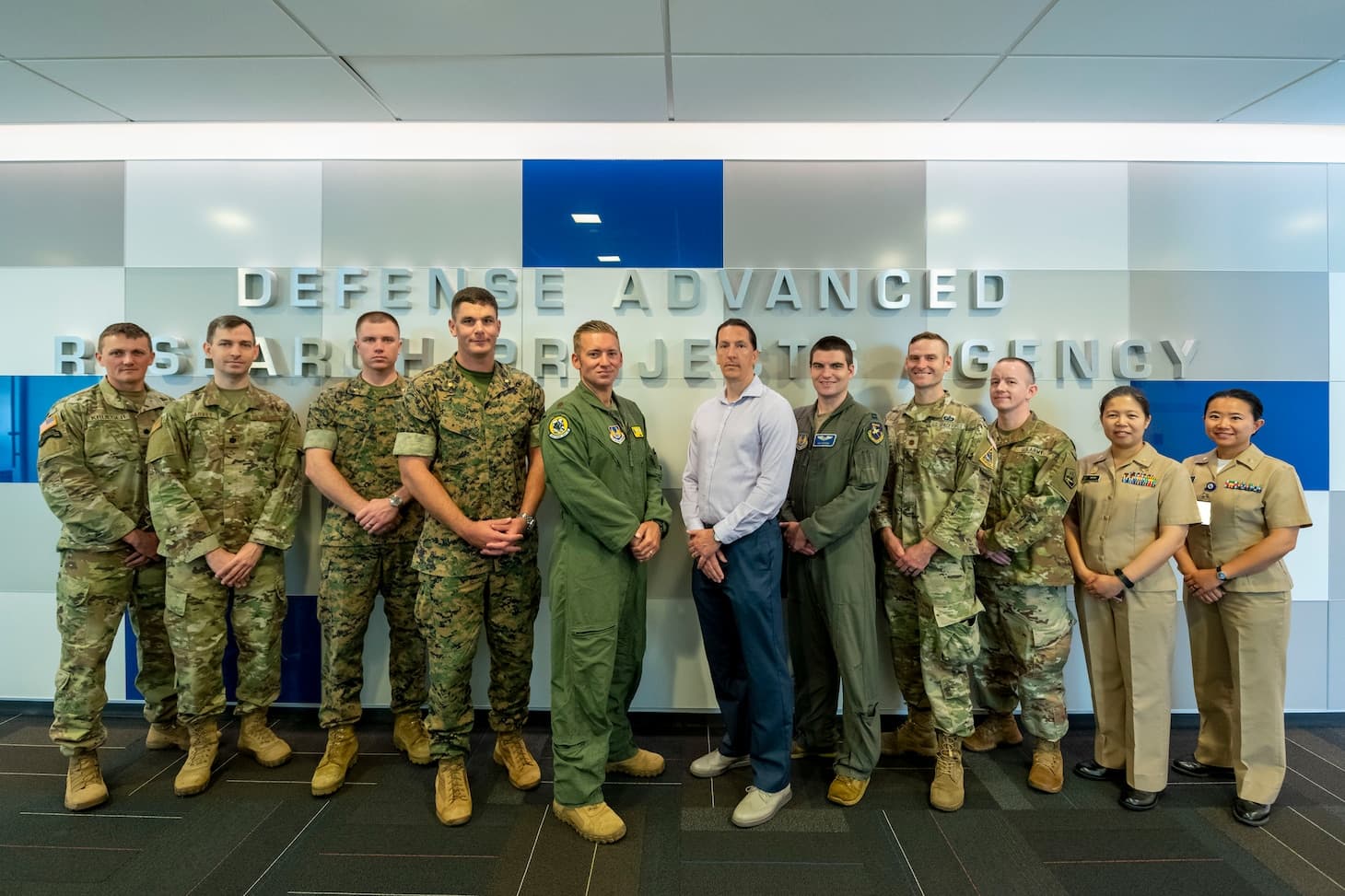
A military dog racing into an explosive-detection lane, a patrol route, or a search-and-rescue pileup can now become the test case for a very different kind of gear: one medical product that works on both dogs and humans. DARPA is asking industry and researchers to build tools that keep working dogs mission-ready without forcing handlers to haul separate kits for every species on the team.
The topic, called Broadening Availability of Regimens for K-9s, or BARK, sits inside DARPA’s Biological Technologies Office and ties to its Biomanufacturing and Contested Logistics technology areas. The opportunity was published on April 13, 2026, opened on May 6, and closes on June 3. The agency’s goal is straightforward but ambitious: develop medical products that are interoperable and compatible across humans and dogs so warfighters and military working dogs can share the same basic capability without doubling the load.
DARPA’s FAQ sharpens that mission. Interoperability means the product can be used in both humans and dogs, while the goal of not expanding medical kits means DARPA wants a single biological product that works for both species instead of parallel versions. The agency also said diagnostic-only ideas are in scope, and it is not limiting the field to temperature and blood pressure. Heart rate, respiratory rate, SpO2, ECG, end-tidal CO2, and perfusion are all on the table. DARPA added that no specific limits have been set on calibration or setup time when switching between human and canine patients, and it is open to platform technologies with species-specific configurations.
The interest list is wide. DARPA is looking at filters for donor plasma, universal synthetic plasma, physiological sensors, adjustable splints and backboards, ventilators, chemical and biological protective measures, and dosing tools such as autoinjectors that can work across species. The practical logic is obvious: separate equipment adds weight, complicates supply chains, and creates more procurement hurdles in the field.
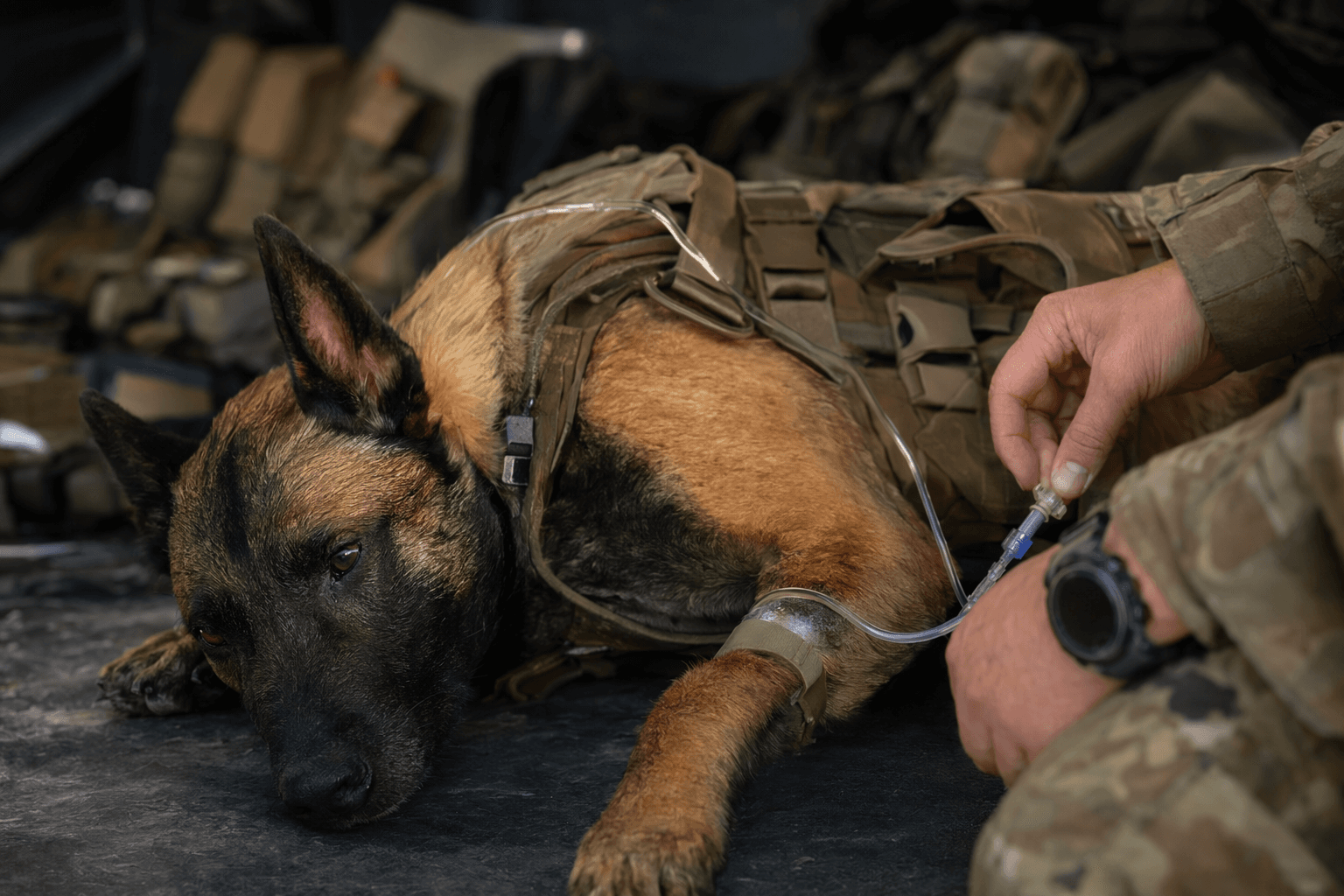
That urgency tracks with how military working dogs are used. Army missions include area security, law enforcement, antiterrorism, narcotics detection, and explosive detection, while other mission sets include patrol, search and rescue, and specialized support. The U.S. Air Force has trained military working dogs at Lackland Air Force Base since 1958, and more than 20,000 dogs served in the U.S. Army during World War II under the Dogs for Defense program. In 2023, the Military Working Dog Registry was established to improve care and may also help develop protective equipment. By January 19, 2024, Air Force medical teams were already in Canine Tactical Combat Casualty Care training, learning where and how to take vitals and how to perform IV interventions.
For civilian handlers, trainers, and search-and-rescue crews, the trickle-down is still speculative, but the direction is clear. If DARPA can make one sensor, splint, or dosing system serve both species without bloating the kit, the same engineering could eventually make emergency care simpler and safer for other high-drive working dogs that live at the edge of speed, stamina, and risk.
This article was produced by Prism’s automated news system from verified source data, official records, and press releases, then run through automated quality and moderation checks before publishing. The system is built and supervised by the people who set the standards it runs under. Read our full AI policy.
Did this article answer your question?