Dr. Menzies Shares Evidence-Based Guide to Exercising Puppies and Young Dogs
Dr. Siobhan Menzies breaks down the science of safe puppy exercise, offering hyperenergetic dog owners a practical framework grounded in veterinary evidence.
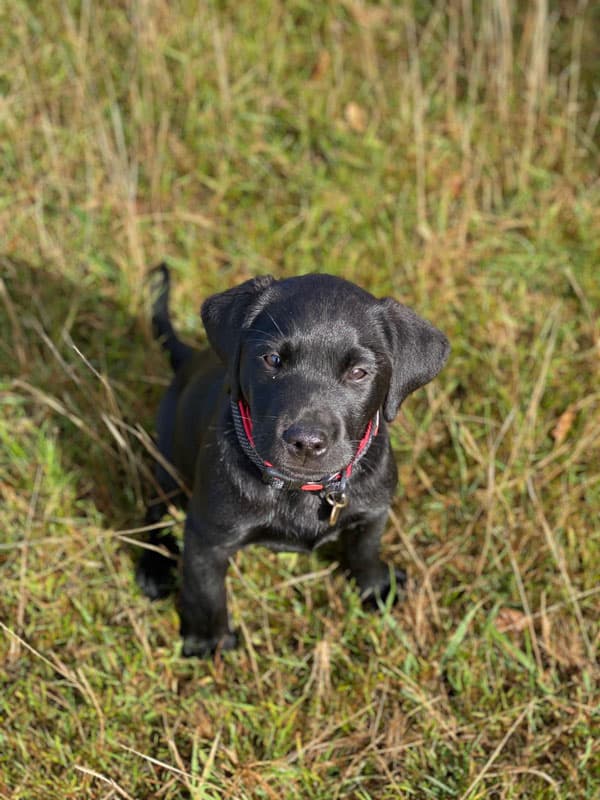
Getting exercise right with a young dog is one of the trickiest balancing acts in early ownership. Too little, and you've got a bouncing-off-the-walls chaos machine. Too much, and you risk real, lasting damage to developing joints and growth plates. Dr. Siobhan Menzies, founder of HolisticPet and a contributor to the Veterinary Ireland Journal, has put together one of the most thorough evidence-based guides available on this exact subject, and for anyone managing a high-drive, hyperenergetic dog, the detail she provides is genuinely worth your time.
Why puppy exercise is more complicated than it looks
The core problem with exercising puppies and young dogs isn't enthusiasm, it's biology. Young dogs are still developing physically, and the skeletal structures, particularly the growth plates at the ends of long bones, remain soft and vulnerable well into adolescence. The timeline varies significantly by breed and size, with large and giant breeds maturing considerably later than smaller dogs. Pushing too hard during this window doesn't just cause soreness; it can result in permanent orthopedic damage that shapes a dog's quality of life for years.
Dr. Menzies approaches this not with vague caution but with evidence drawn from veterinary research, making her framework genuinely useful rather than just conservative for conservatism's sake. The goal is building a physically capable, well-conditioned dog without compromising the structural foundation that makes that possible.
The growth plate question
Growth plates close at different ages depending on the dog, and that closure point is the clearest indicator that more demanding exercise becomes appropriate. For many medium-sized breeds, this happens somewhere around 12 to 14 months; for large and giant breeds, it can extend to 18 months or beyond. Until closure occurs, high-impact repetitive exercise, forced running on hard surfaces, and activities that involve a lot of jumping and sudden directional changes carry real risk.
This is particularly relevant for the hyperenergetic dogs many of us are working with. A high-drive breed puppy at six months can seem physically capable of anything, and the energy output might suggest they need miles of running. The disconnect between behavioral energy and physical readiness is one of the most important concepts Dr. Menzies highlights. Behavioral need for stimulation can absolutely be met through low-impact means, mental enrichment, and structured short sessions rather than long continuous exercise bouts.
Structured short sessions over marathon outings
One of the most practical frameworks in veterinary guidance for young dogs is the use of short, frequent exercise sessions rather than single long ones. The often-cited five-minutes-per-month-of-age guideline gives a rough working figure for on-lead, continuous walking, so a four-month-old puppy would be working around 20 minutes per session, twice daily. Dr. Menzies' evidence-based approach reinforces this kind of structured thinking while acknowledging the nuance that not all exercise is equal.
Free play in a safe environment, for instance, is self-regulating in a way that forced continuous exercise is not. A puppy romping in a garden will naturally pause, sniff, lie down, and burst again. That self-modulation matters, and it's meaningfully different from being taken on a long jog. Leash running, treadmill work, or repetitive fetch on hard ground are the activities that carry the most risk for developmental damage, and those are the ones Dr. Menzies' framework specifically addresses with caution.
Mental exercise as a genuine substitute
For the hyperenergetic dog crowd, this is where things get genuinely useful. A young dog with a serious drive for activity doesn't need kilometers of road work; it needs its brain engaged. Training sessions, puzzle feeders, scent work, and structured play all deliver genuine tiredness without the joint load. Dr. Menzies' holistic approach, consistent with her work through HolisticPet, treats the dog as a whole animal whose nervous system and cognitive needs are as real as its physical ones.
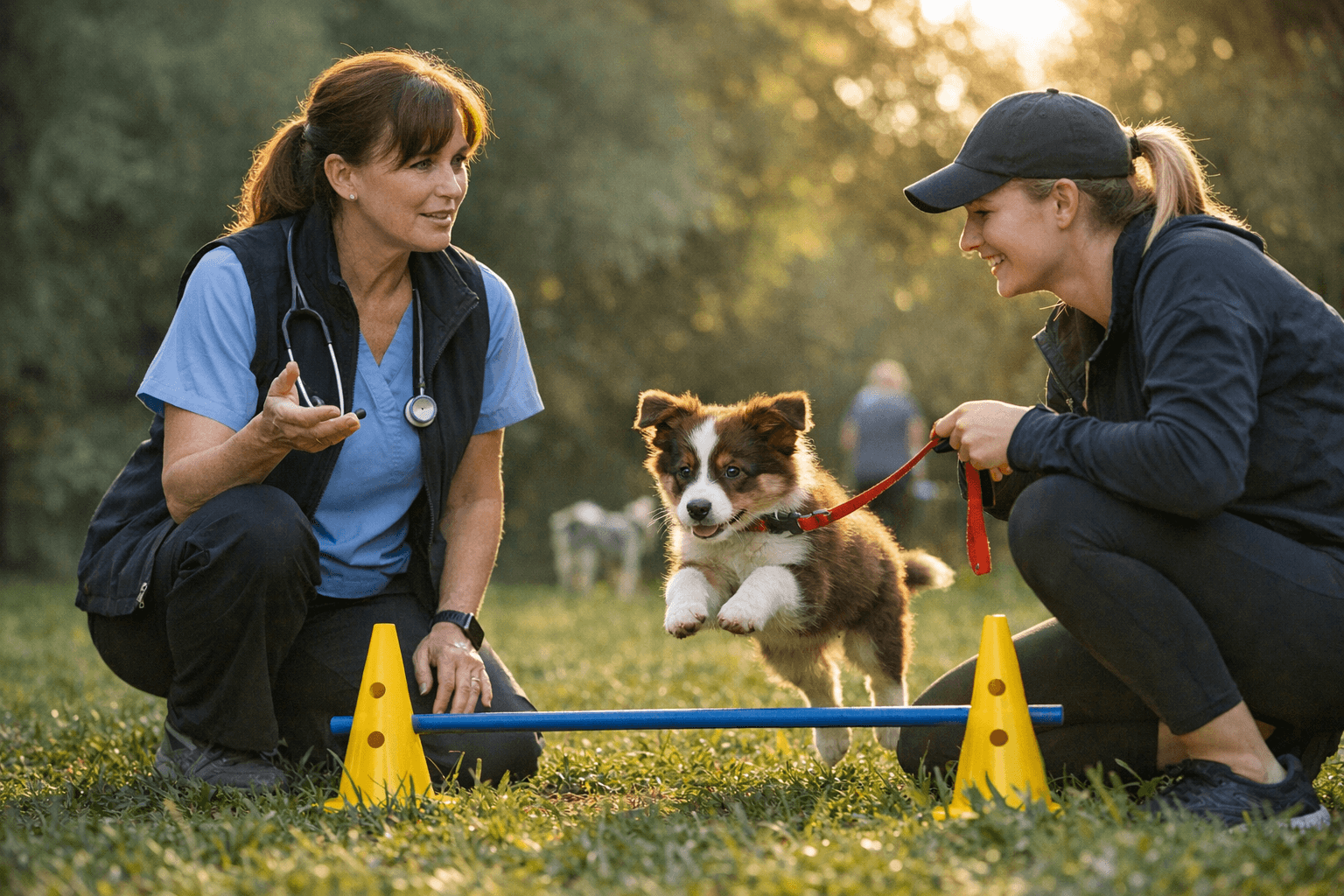
Scent work in particular is worth highlighting. Dogs process olfactory information in a neurologically demanding way, and a 20-minute sniff session in varied terrain can produce the kind of genuine tiredness that an hour of physical exercise might achieve in an adult dog. For adolescent high-energy breeds, adding structured nose work, basic obedience training, and interactive feeding to the daily routine can dramatically reduce the pressure to over-exercise physically.
Swimming and low-impact alternatives
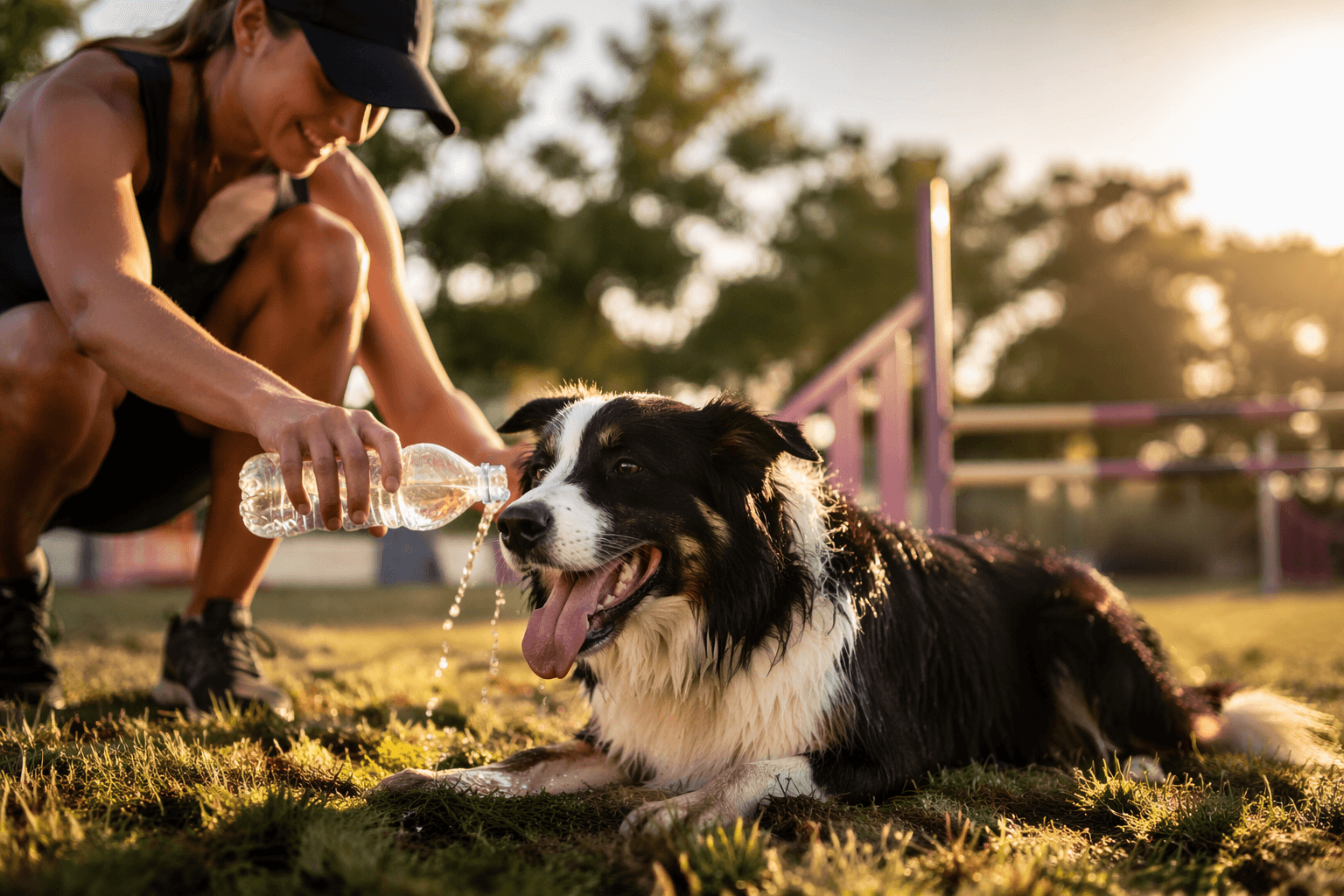
Not all physical exercise carries equal risk during the growth phase. Swimming is widely recognized in veterinary sports medicine as an excellent low-impact option for young dogs; it builds cardiovascular fitness and muscle tone without loading the joints in the same way land-based exercise does. Dr. Menzies' evidence-based approach naturally accommodates these alternatives as smart tools in the kit for owners managing dogs with high physical drive.
Gentle hill walking on natural surfaces, short leash walks on grass rather than pavement, and play with appropriate companions are all part of building a physical routine that respects developmental biology. The surface matters, the duration matters, and the type of movement matters. These aren't arbitrary restrictions; they're grounded in what we understand about how connective tissue, cartilage, and bone develop under load.
Recognizing when you've done too much
One of the practical contributions of a guide like Dr. Menzies' is helping owners identify early warning signs that a young dog has been over-exercised. Lameness after sessions, reluctance to bear weight, swelling around joints, or a noticeable change in movement pattern after exercise are all signals to take seriously. Young dogs will often continue moving through discomfort in a way that adult dogs might not, which puts the responsibility on the owner to monitor rather than rely on the dog to self-report.
Consistent monitoring after each exercise session, particularly during the rapid growth phases of the first year, gives owners the data they need to adjust. If a puppy is stiff the morning after a session, the load was too high. That feedback loop is the most reliable guide available, sitting alongside the structured framework Dr. Menzies provides.
Building toward a physically capable adult
The patience required during this developmental phase pays off directly in the adult dog you end up with. Dogs that are exercised appropriately during growth tend to have better joint health, stronger connective tissue, and a lower incidence of conditions like hip dysplasia exacerbation, osteochondrosis, and early-onset arthritis. The evidence base Dr. Menzies draws on in the Veterinary Ireland Journal makes clear that early exercise decisions have longitudinal consequences.
For hyperenergetic dog owners who want an athletic, capable adult companion, restraint during the puppy phase is genuinely the high-performance strategy. The goal isn't to produce a dog that's been kept still; it's to build physical and neurological foundations that support demanding activity for the long term. Getting that balance right, guided by veterinary evidence rather than intuition alone, is exactly what Dr. Menzies' framework is designed to help with.
This article was produced by Prism’s automated news system from verified source data, official records, and press releases, then run through automated quality and moderation checks before publishing. The system is built and supervised by the people who set the standards it runs under. Read our full AI policy.
Did this article answer your question?