Indo-Pacific military dog teams compete in South Korea readiness drill
Indo-Pacific K-9 teams battled through bite work, detection and movement drills at Camp Humphreys, where the Army tested allied readiness under pressure.
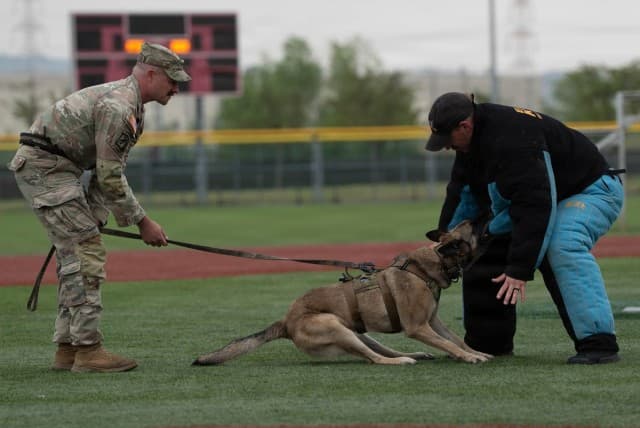
The sharpest fight at Camp Humphreys was not a ceremonial pass in review. It was a military working dog biting, clamping and staying locked on target while handlers pushed through obedience, controlled aggression, scent detection and tactical movement drills.
The Combined Military Working Dog Detachment-Korea hosted the annual Combined Joint Military Working Dog Competition from April 20 to 24, bringing Indo-Pacific K-9 teams to the largest overseas U.S. military installation in the world. The Army described the detachment as the largest combined military working dog unit in the Indo-Pacific, and the format showed why that matters: this was a readiness exercise as much as a contest.
The hardest-hitting event was judged on the strength of a dog’s initial bite and whether it stayed attached. That is the kind of pressure test that strips away the hype fast. A dog either commits cleanly or it does not, and the handler either keeps the picture together or the whole run falls apart.
Other lanes were no less demanding. One scenario put Korean National Police Special Operations Unit personnel and a military working dog team on a route built around explosive- and narcotic-detection work. Another run showed U.S. Air Force Staff Sgt. Sabrina Clark of the 8th Security Forces Squadron rucking on April 23, a reminder that the competition drew in more than one U.S. service and paired them with Republic of Korea partners.
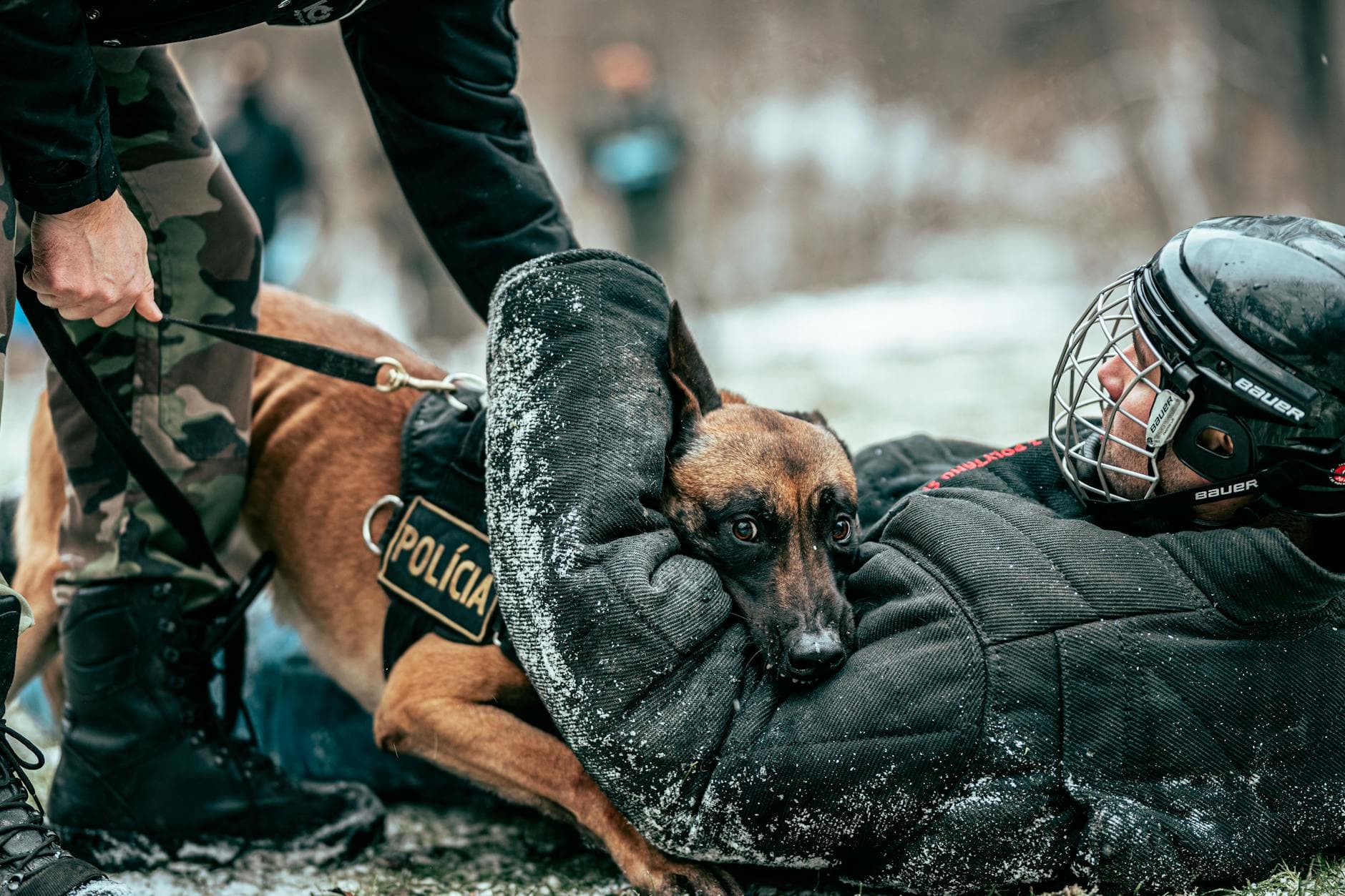
That mix is the point. The Army said the detachment is at the forefront of modernization and combined-joint operations, and the competition was used to strengthen readiness and cooperation among allied partners. In practical terms, that means dogs and handlers are being asked to do the same jobs they would face in a real mission, only under the stress of scoring, movement, timing and scrutiny from other working-dog professionals.
The event ended with recognition for the handlers. A ceremony image from April 24 said participating handlers received certificates of achievement, a small nod for a lot of hard work behind the scenes. For anyone who lives around high-drive dogs, the lesson is familiar: extreme energy is only useful when it is welded to control, trust and repetition.
Camp Humphreys adds another layer of weight to the whole thing. The site traces back to a Japanese military-built airfield in 1919 and later became K-6 during the Korean War before growing into today’s sprawling hub in Pyeongtaek. That history fits the moment. This was a contest built around one simple question: which dog team can stay sharp, stay calm and perform when the pressure is real?
This article was produced by Prism’s automated news system from verified source data, official records, and press releases, then run through automated quality and moderation checks before publishing. The system is built and supervised by the people who set the standards it runs under. Read our full AI policy.
Did this article answer your question?