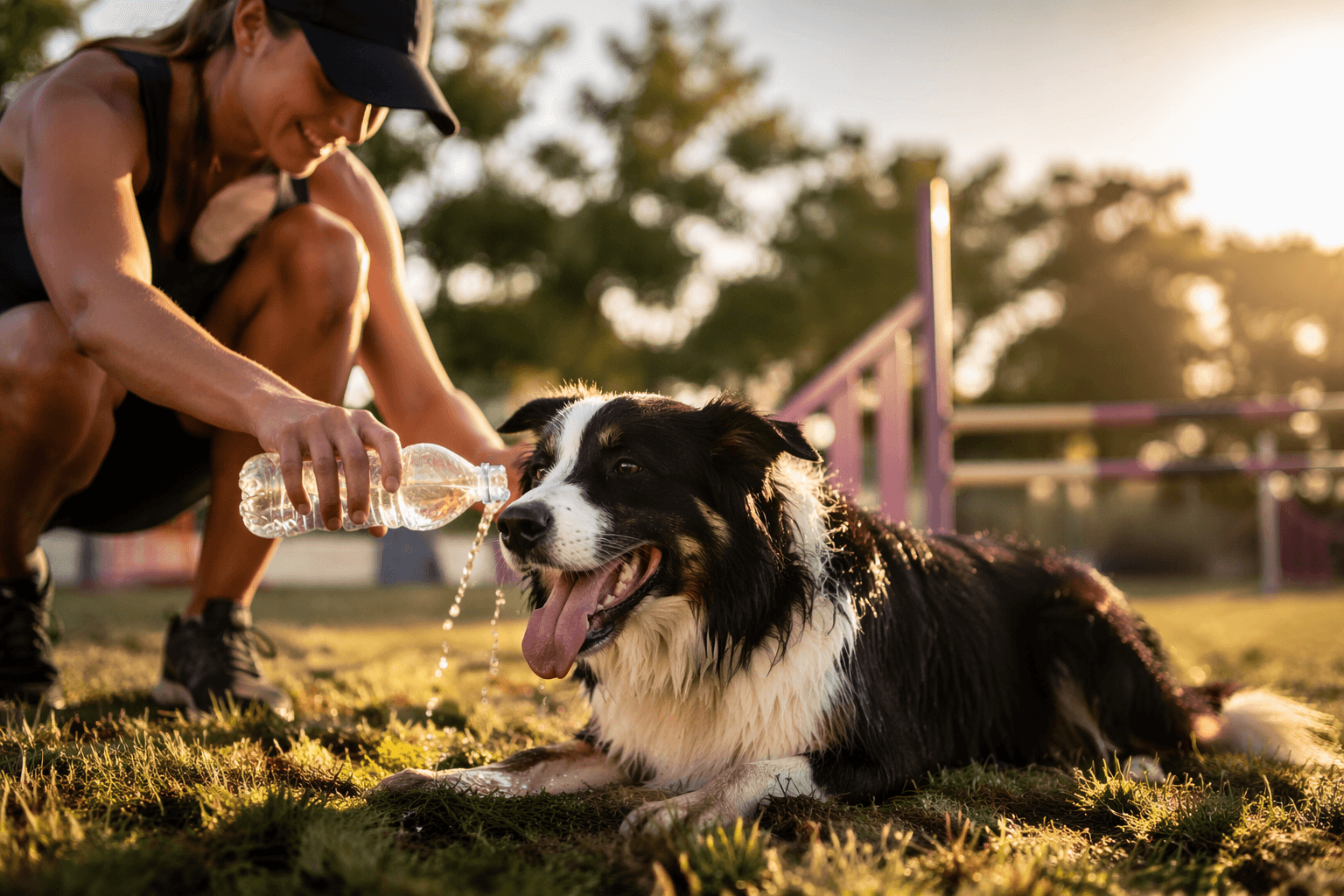
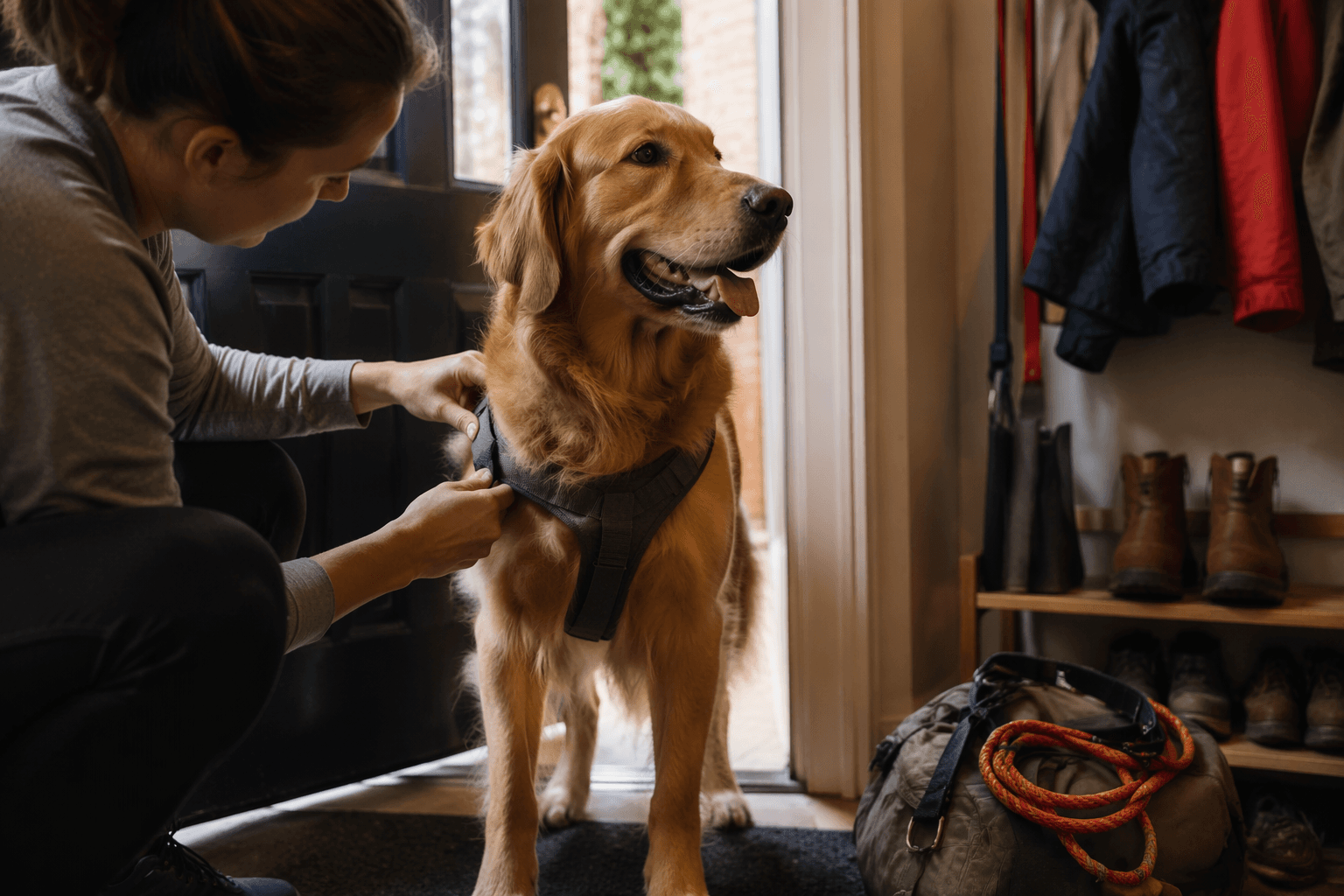
Kids help train energetic dogs to master the down command
A National Kids and Pets Day feature shows Mara Kate and Alissa helping Nicole Ellis teach the down cue, a simple family reset for lively dogs.
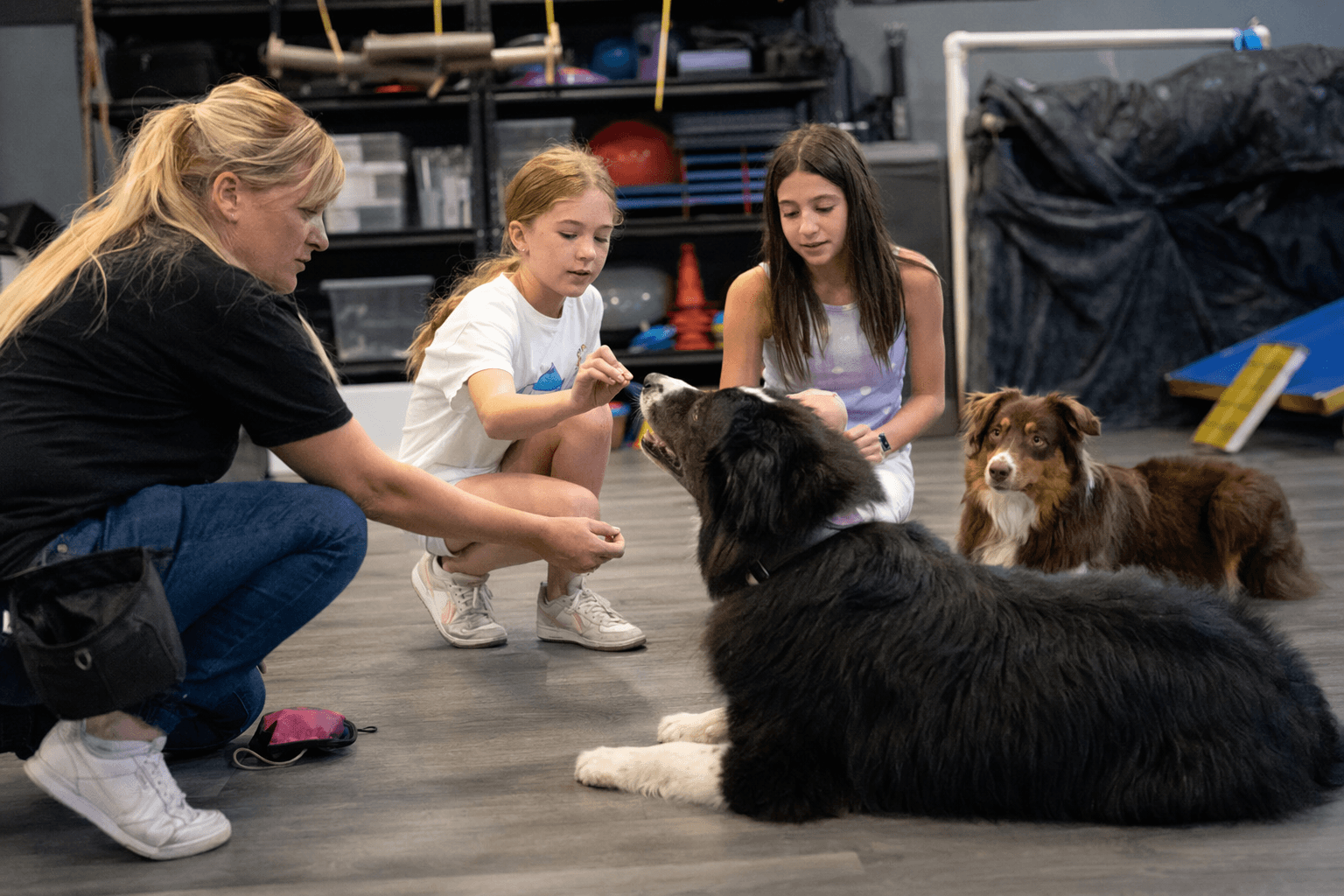
Kids can help shape calmer dogs, one cue at a time
A lively dog does not need a complicated training program to start improving. The lesson from USA TODAY’s National Kids and Pets Day feature is simpler and more useful: when children like Mara Kate and Alissa help teach the down command with trainer Nicole Ellis, the whole household gets a better path to consistency. That matters most in homes with energetic dogs, where calm behavior is built through repetition, clear timing, and the same rules from everyone.
The down command is one of the most practical foundation skills for a high-drive dog. It helps a dog settle, wait, and move through everyday life with less friction, whether that means greeting guests, sitting near kids, or pausing when excitement starts to spike. Purina says the lie down command is among the most important ones owners can teach, especially because it can help a dog settle around people or other pets.
Why this one command works so well for energetic dogs
For hyperenergetic dogs, the down cue is more than a trick. It is a pressure valve. A dog that can drop into a down on cue has a clearer off switch, and that is useful in the exact moments when extra energy creates trouble: doorway greetings, play breaks, family meals, or any time a dog needs to wait instead of launch forward.
Battersea Dogs & Cats Home makes the same practical point with its bed cue guidance. For young and very active dogs, a bed cue can redirect extra energy and help them learn to calm themselves down. That makes the down command a stepping stone to a broader settling routine, not just a single posture on the floor.
The key is that this kind of training should feel calm and repeatable, not intense. Purina advises that training a high-energy dog is easier after exercise and in a low-distraction home setting, which makes sense for families trying to avoid a wrestling match with a dog that still has too much pent-up energy. A dog that has already burned off some steam is more available for learning, and a quiet room gives children a better chance of timing their cues and rewards well.
What the kids in the segment get right
The appeal of the USA TODAY feature is not just that children are involved. It is that they are involved in a way that reflects real household training. Mara Kate and Alissa are not treated as spectators while an adult does all the work. They are shown asking questions and helping with the process, which is exactly how training habits spread across a family.
Nicole Ellis is well suited to that setup. She is described as a certified professional dog trainer and a positive-reinforcement trainer, with credentials including CPDT-KA, KPA-CTP, Fear Free certification, and AKC CGC evaluator. She has also appeared on Amazon Prime’s The Pack, which makes her a recognizable name for viewers who follow dog-training media. Her approach fits the lesson here: reward-based instruction is easier for children to follow, easier for parents to repeat, and less likely to create confusion or stress for the dog.
That positive-reinforcement framework is especially important with energetic dogs. High-drive dogs often need more structure, more repetition, and more calm cueing than a casual pet. When the lesson is built around clear rewards instead of punishment, children can safely participate without turning the training session into a power struggle.
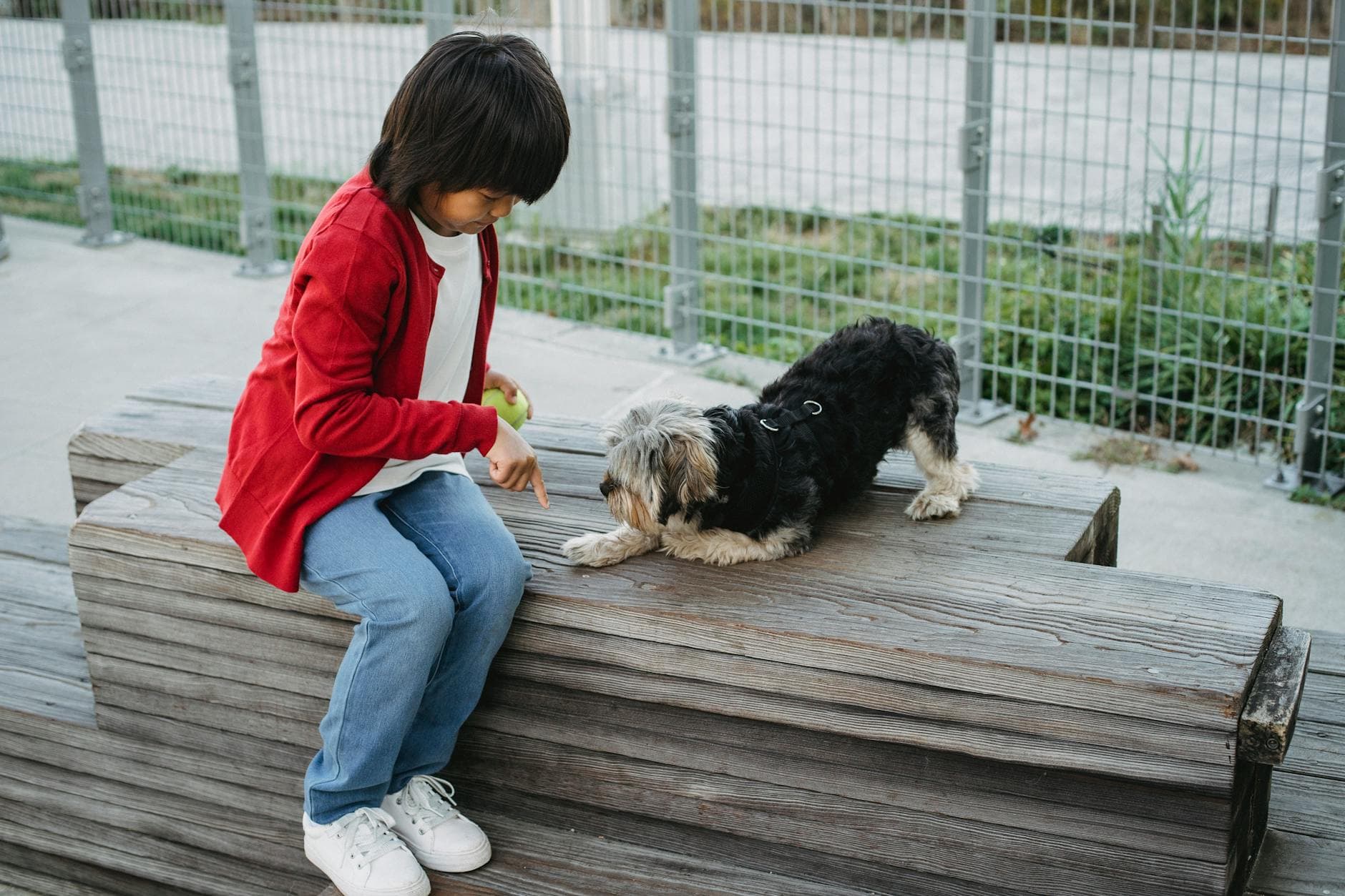
A simple family template for practicing down at home
The best at-home version of this lesson is short, predictable, and supervised. Keep it clean and low-stakes.
1. Start after exercise.
Take the dog out first, or let it play and move a bit before asking for focus. Purina specifically recommends training a high-energy dog after exercise.
2. Choose one cue and keep it the same.
The American Kennel Club says everyone in the family should use the same cues. If one person says “down” and another says “lie down” or adds extra chatter, the dog gets mixed messages.
3. Work in a quiet spot.
Use a low-distraction room in the home so the dog can concentrate. This is especially helpful when children are learning to time rewards and avoid overexplaining.
4. Reward the moment the dog complies.
Short, immediate praise or a treat helps the dog connect the behavior with the reward. Keep the session brief so it ends while the dog is still successful.
This kind of routine gives children a real role without asking them to manage the whole lesson alone. The adult sets the structure, the child practices the cue, and the dog learns that the family speaks one training language.
Why family consistency matters more than fancy drills
The biggest training gains often come from consistency across the whole household. If children can safely learn the same cues, timing, and reward habits as adults, the dog is more likely to generalize the behavior across different rooms, people, and situations. That is where the down command becomes powerful: not as a one-off response, but as a behavior the dog understands everywhere.
That consistency is what makes the feature more than a cute holiday clip. It reflects a real household principle that has broad value for owners of energetic dogs. When a dog hears the same cue from every family member, the rules stop changing from person to person, and the dog can finally settle into a routine it understands.
A day built for kids, pets, and training
National Kids and Pets Day, observed every April 26, gives the story its broader context. The day was created in 2005 by Colleen Paige, a celebrity family and pet lifestyle expert, and it exists to celebrate the bond between children and animals, promote shelter awareness, and educate people about safety between kids and pets. Paige is also associated with several other pet-awareness holidays, which places the day inside a larger family-and-animal welfare effort.
That matters here because the holiday is not only about affectionate photos or soft-focus pet moments. In this case, it becomes a teaching moment about how children can safely help with real obedience work. The takeaway is straightforward: when adults keep the rules consistent and the lesson stays positive, kids can help a high-energy dog learn the down command, and that single skill can make daily life noticeably calmer.
This article was produced by Prism’s automated news system from verified source data, official records, and press releases, then run through automated quality and moderation checks before publishing. The system is built and supervised by the people who set the standards it runs under. Read our full AI policy.
Did this article answer your question?