Study Finds Nearly Half of Puppies Show Separation Anxiety by Six Months
Nearly half of puppies in one study showed separation-related behaviors by six months, with pacing leading the list. Early sleep, crate routines, and reward-based training mattered most.

Nearly half of puppies in a longitudinal study, 46.9 percent, showed separation-related behaviors by six months of age, and the first signs were often the ones owners miss: pacing, whining and spinning. In a field where bored, high-drive puppies can turn alone time into barking, chewing and conflict with neighbors, that number lands like a warning siren.
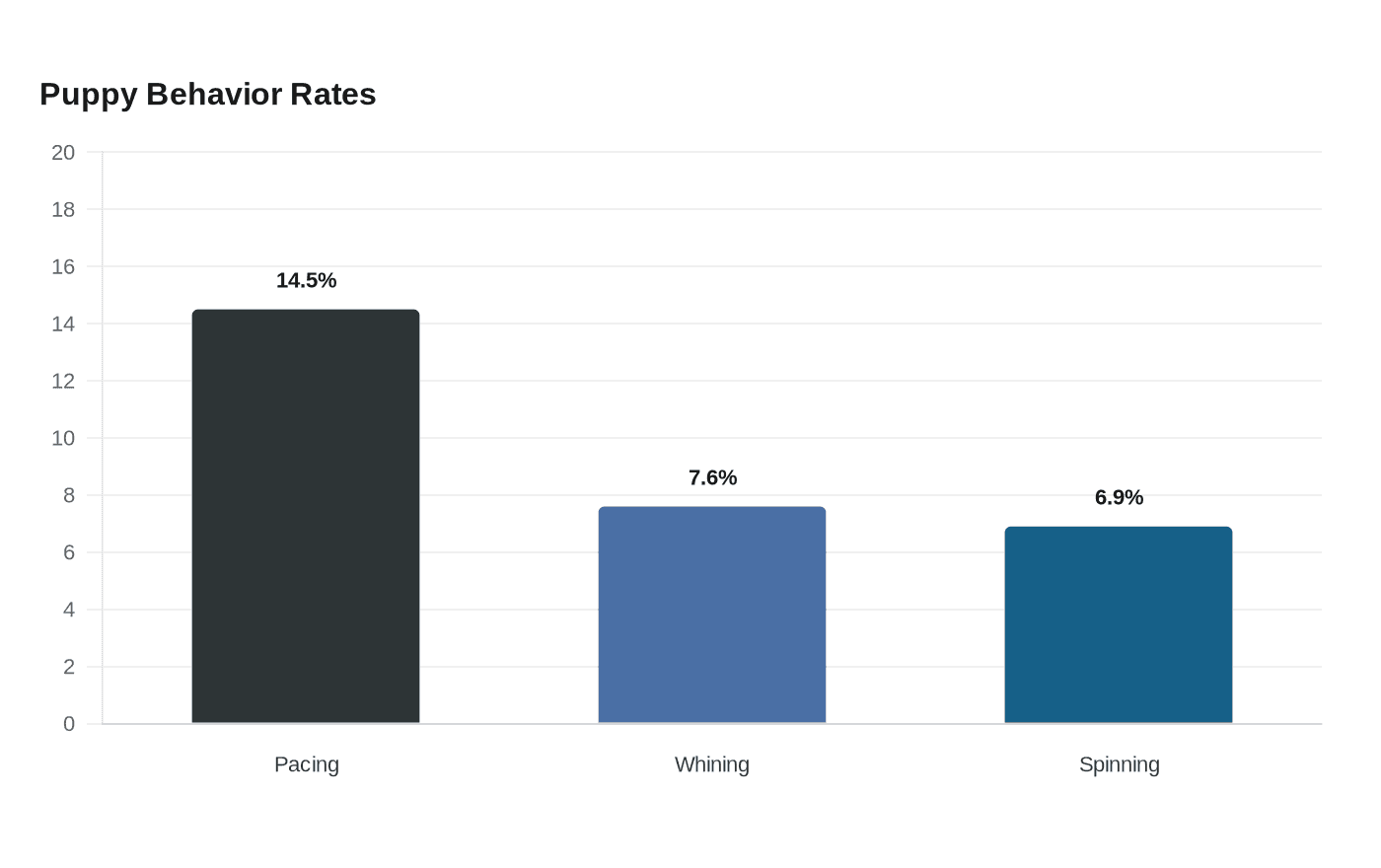
The peer-reviewed study, published in Animal Welfare on December 16, 2024, followed 145 owners in the United Kingdom and Republic of Ireland through Dogs Trust’s Generation Pup project. Fiona C. Dale, Charlotte C. Burn, Jane Murray and Rachel Casey found pacing was the most commonly reported behavior at 14.5 percent, followed by whining at 7.6 percent and spinning at 6.9 percent. The broader separation-related category also included barking, howling, scratching, chewing and house soiling.
The pattern pointed away from breed blame and toward early handling. Breed, sex and source showed no significant association with whether puppies developed the problem. Instead, puppies whose owners reported more punishment or aversive techniques at 16 weeks, including telling off, smacking or ignoring, had increased risk. Puppies whose owners fussed over them on return were six times more likely to show separation-related behaviors, while puppies that slept in crates or rooms overnight and got at least nine hours of sleep per night were less likely to develop them.
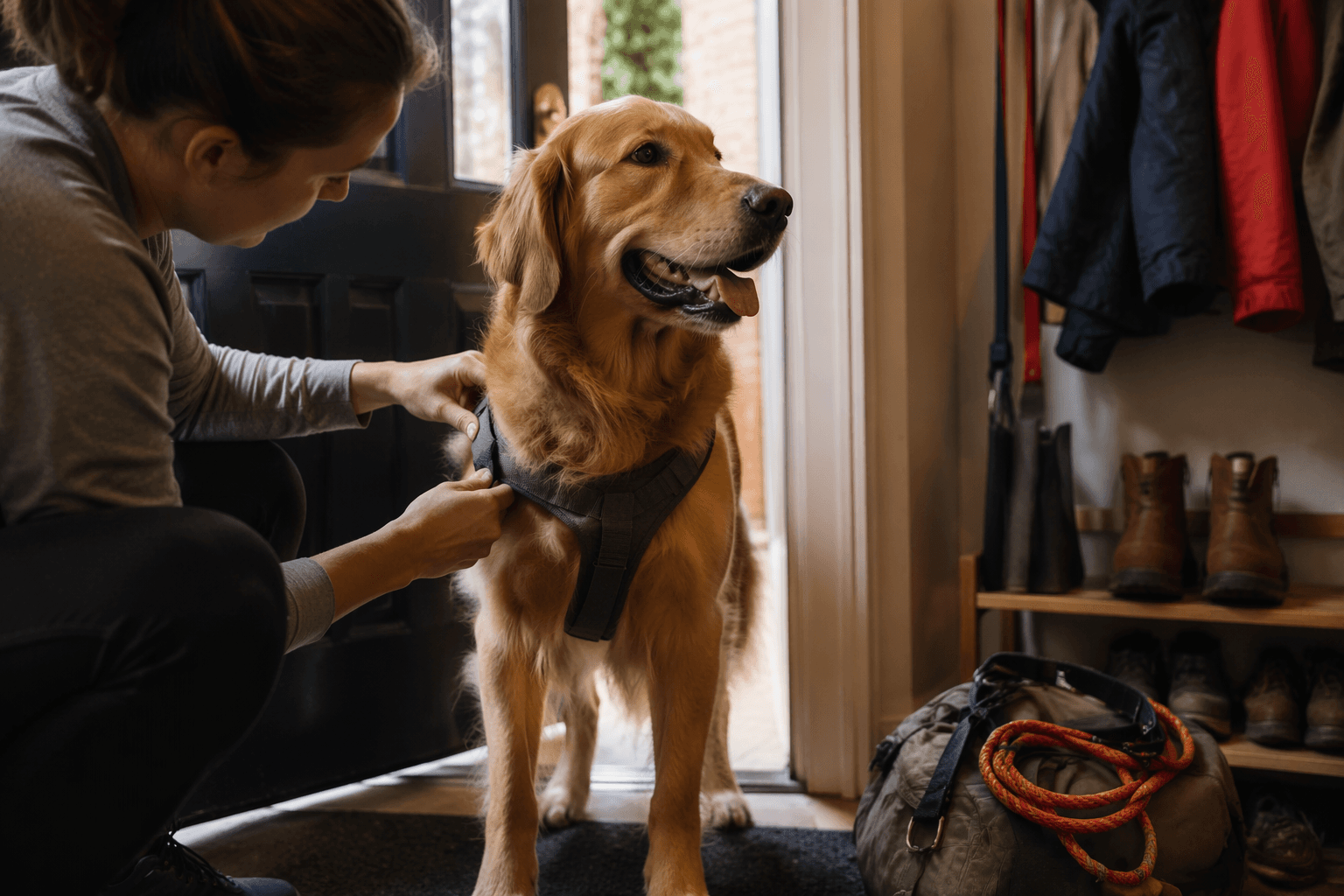
That makes the next move clear for owners dealing with a high-energy puppy this week: watch for pacing at the door, repetitive whining, spinning, destructive chewing or house soiling, then tighten the routine before the behavior hardens. The Royal Veterinary College and Dogs Trust framed the finding as both a welfare issue and a training issue, and the American Veterinary Society of Animal Behavior has long emphasized early socialization and positive training to head off behavior problems. The American Animal Hospital Association describes separation anxiety as excessive stress when left alone, and the American Kennel Club calls it common and potentially panic-like.
The Dog Wizard pushed the same basic urgency on April 29, 2026, saying the research reinforced early-intervention training and noting that it now has 75 franchised locations across the United States. Its balanced, reward-based approach and puppy obedience program for dogs 10 weeks and older align with the study’s warning about punishment and overexcited reunions, but the research goes further by flagging sleep, overnight setup and return-home fuss as the details that may matter most. The authors also cautioned that the findings are correlational and that interventional data is still needed to confirm prevention strategies, but the message for young, under-stimulated dogs is already plain: the first six months set the tone.
This article was produced by Prism’s automated news system from verified source data, official records, and press releases, then run through automated quality and moderation checks before publishing. The system is built and supervised by the people who set the standards it runs under. Read our full AI policy.
Did this article answer your question?