Lost‑and‑Found: Heartwarming Reunions Continue — Multiple Recent Cases Show How Community, Microchips and Shelters Reunite Dogs and Owners
Béa, a Boston Terrier stolen from a Los Angeles porch in 2022, came home after 3+ years because a friend spotted her on a rescue's Instagram. Here's the system behind it.
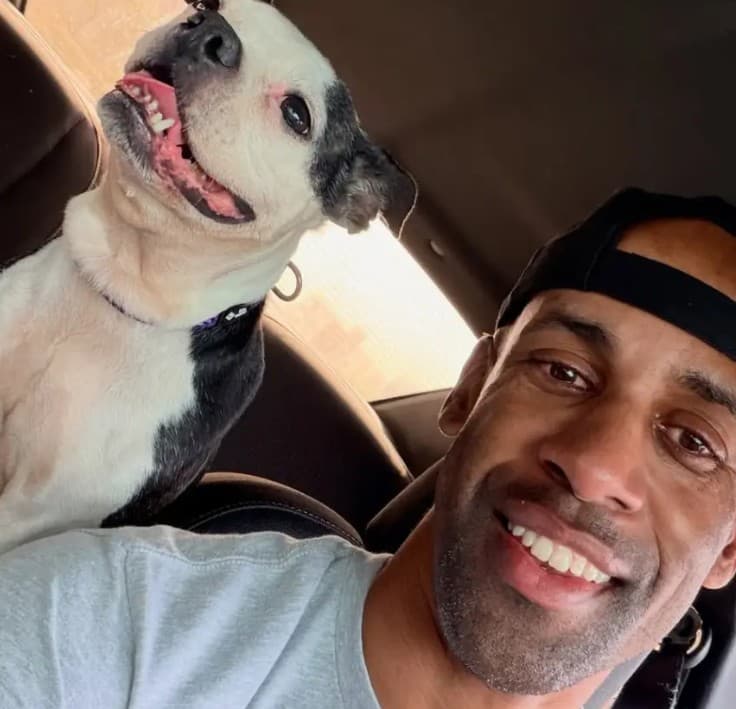
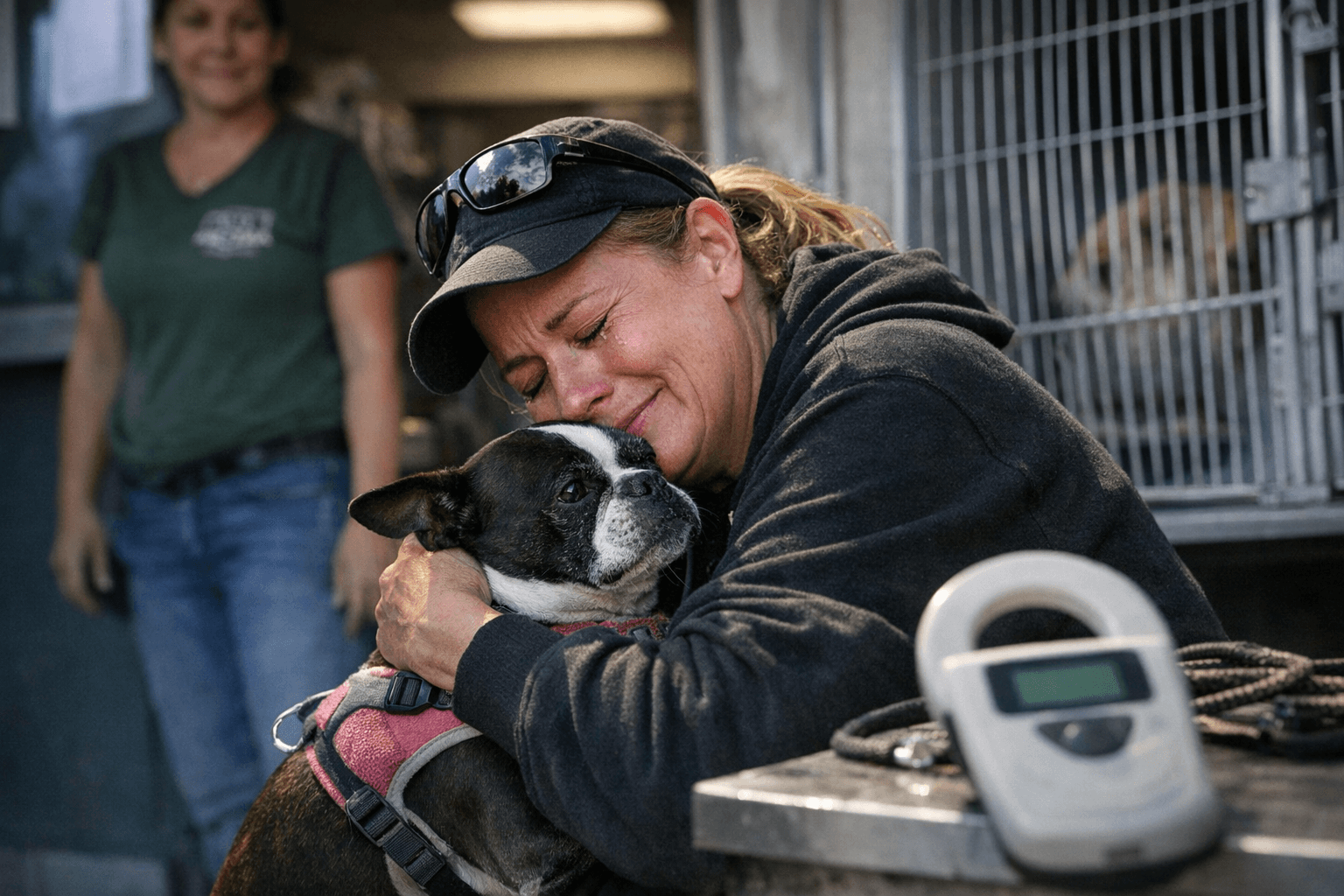
Béa had been gone for more than three years when a friend of her owner, Shelton, happened to scroll past an Instagram post from Wags & Walks, a West Los Angeles rescue in the Sawtelle district. The photo matched the Boston Terrier stolen from Shelton's front porch on July 18, 2022, while he stepped away for two or three minutes to tend to his car. A scheduled adoption for Béa had fallen through just 24 hours before that post went live, making the timing almost absurdly close. Wags & Walks had pulled her from a municipal shelter after she was found as a stray, with no indication of where she had spent the intervening years.
That single reunion distills everything the hyperenergetic dog community needs to hear right now: the system works, but only when every layer of it is active simultaneously.
The same week, Jazz, a 9-year-old Scottish Terrier, was stolen from her leash on Pearce Street in Fall River, Massachusetts, while her 89-year-old owner was steps away in the kitchen. Peter Tache, her owner's son, described the moment the leash tension went slack. Within hours, Christopher Silvia, owner of Christopher's Cafe on South Main Street, had posted Jazz's description to social media and pledged more than $1,000 in reward money, no questions asked. The community response was swift enough to produce a reunion within days of the theft.
Then there is Lola, a Schnauzer mix whose case covered by KTLA and UPI came down to one thing: a shelter scanner reading an active microchip and reaching the registered owner. No social media campaign, no neighbor tip. Just a chip and a current phone number.
Here is the number that should make every owner of a pointer, a Malinois, a Jack Russell, or any other breed that treats a gap in the fence as an invitation: only about 22 percent of lost dogs entering shelters are returned to their families. Microchip that dog and the rate more than doubles, to over 52 percent, according to a Journal of the AVMA study. The catch, and it is a significant one, is that roughly 40 percent of microchipped pets are what recovery specialists call "digital strays," animals carrying a chip with no active registration linking it to an owner. The chip is in the dog. The database entry is blank, outdated, or attached to an old phone number.
For the high-drive dogs that dominate this community, the escape risk is not hypothetical. Energetic breeds bolt in new environments, squeeze through gaps during thunderstorms, and attract theft precisely because of their obvious value and mobility. The 70 percent recovery stat is worth knowing here too: most lost dogs are found within one mile of home, which means the local shelter run, the neighborhood Facebook group, and the block-by-block poster campaign are not sentimental gestures. They are the actual mechanism.
Shelter staff who worked the Béa case put it plainly: "If you don't give up, miracles can happen." What the cluster of reunions this past week makes clear is that miracles have a structure. It is a microchip with a current registration, a shelter intake staff that scans immediately, a rescue organization posting photos before an adoption closes out the window, and a neighbor in Fall River who knows the dog's name. International cases like Molly, a border collie recovered by helicopter in New Zealand, underscore that the same layered logic scales well beyond a city block.
Update your chip registration today. The Wags & Walks adoption table almost got a different dog.
SUMMARY: Béa, a Boston Terrier stolen from a Los Angeles porch in 2022, came home after 3 years via a rescue's Instagram post. The share-worthy catch: 40% of microchipped dogs have no active registration.
CONTENT:
Béa had been gone for more than three years when a friend of her owner, Shelton, happened to scroll past an Instagram post from Wags & Walks, a West Los Angeles rescue in the Sawtelle district. The photo matched the Boston Terrier stolen from Shelton's front porch on July 18, 2022, while he stepped away for two or three minutes to tend to his car. A scheduled adoption for Béa had fallen through just 24 hours before that post went live, making the timing almost absurdly close. Wags & Walks had pulled her from a municipal shelter after she was found as a stray, with no indication of where she had spent the intervening years.
That single reunion distills everything the hyperenergetic dog community needs to understand right now: the system works, but only when every layer of it is active simultaneously.
The same week, Jazz, a 9-year-old Scottish Terrier, was stolen from her leash on Pearce Street in Fall River, Massachusetts, while her 89-year-old owner stood just steps away in the kitchen. Peter Tache, the owner's son, described the moment the leash tension went slack. Within hours, Christopher Silvia, owner of Christopher's Cafe on South Main Street, had posted Jazz's description to social media and pledged more than $1,000 in reward money, no questions asked. The community response was swift enough to produce a reunion within days of the theft.
Then there is Lola, a Schnauzer mix whose case came down to one thing: a shelter scanner reading an active microchip and reaching the registered owner. No social media campaign, no neighbor tip. Just a chip and a current phone number.
Here is the number that should register with every owner of a pointer, a Malinois, a Jack Russell, or any breed that treats a gap in the fence as an invitation: only about 22 percent of lost dogs entering shelters are returned to their families. Microchip that dog and the rate more than doubles, to over 52 percent, according to a Journal of the AVMA study. The catch is significant. Roughly 40 percent of microchipped pets are what recovery specialists call "digital strays," animals carrying a chip with no active registration linking it to an owner. The chip is physically present. The database entry is blank, outdated, or tied to a disconnected phone number.
For the high-drive dogs that define this community, the escape risk is not hypothetical. Energetic breeds bolt in unfamiliar environments, squeeze through fence gaps during thunderstorms, and attract theft precisely because of their obvious value and mobility. The geography is also worth knowing: approximately 70 percent of lost dogs are found within one mile of home, which means the immediate shelter visit, the neighborhood social media post, and the block-by-block flyer run are not sentimental gestures. They are the actual mechanism.
Shelter staff involved in reunions like Béa's have repeated a consistent message: "If you don't give up, miracles can happen." What the cluster of cases this past week makes clear is that miracles have repeatable architecture. It is a microchip with a current registration, an intake staff that scans on arrival, a rescue organization posting photos before an adoption closes the window, and a neighbor willing to share a post or pledge a reward. International cases like Molly, a border collie recovered by helicopter in New Zealand, confirm the same layered logic scales well beyond a city block.
The Wags & Walks adoption table almost went to a different dog. Log into your chip registry today and confirm your contact information is current.
This article was produced by Prism’s automated news system from verified source data, official records, and press releases, then run through automated quality and moderation checks before publishing. The system is built and supervised by the people who set the standards it runs under. Read our full AI policy.
Did this article answer your question?