New study finds structured endurance training changes puppies’ heart rate and blood‑lactate responses — no short‑term harm observed
University of Helsinki researchers found Labrador puppies on an 8-week conditioning program recovered 32 bpm faster after sprints, with no short-term harm observed in a 15-dog trial.
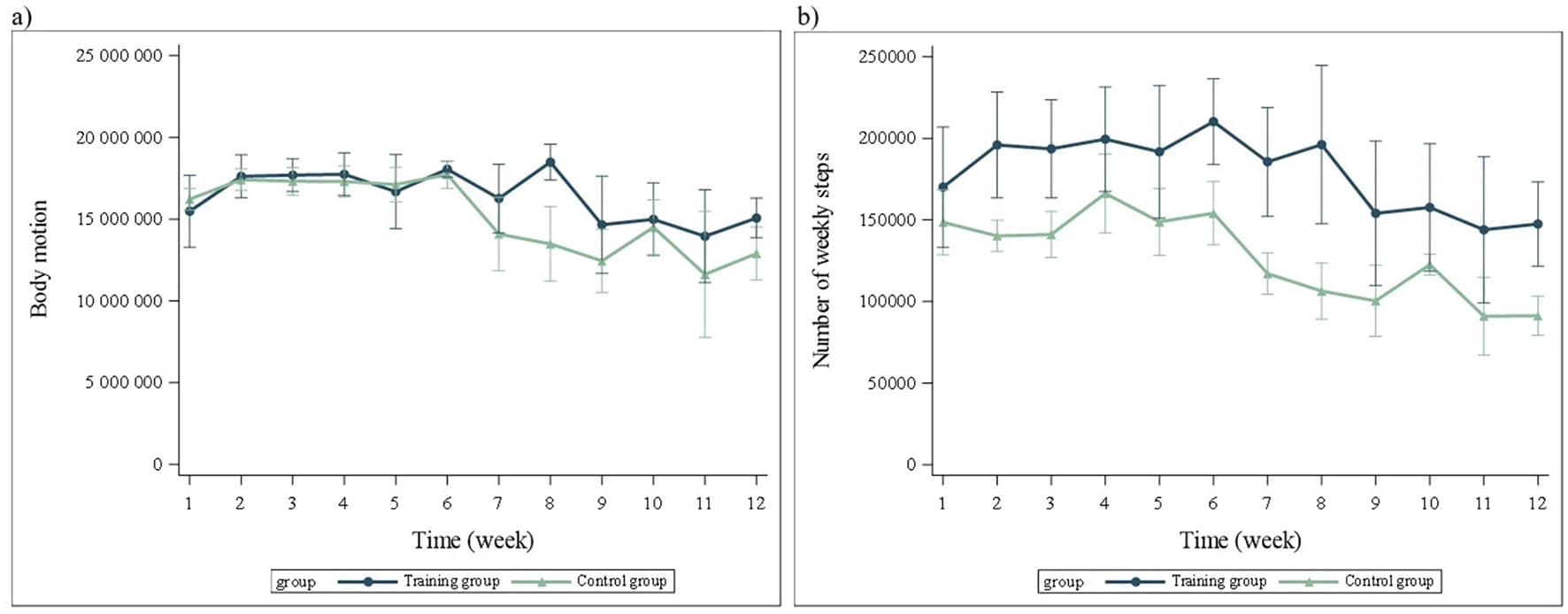
Thirty-two beats per minute: that's how much faster eight Labrador retriever puppies recovered from a 200-meter sprint after completing a structured eight-week endurance program, according to University of Helsinki researchers. The seven control group puppies, living normal puppy lives with no added exercise, showed no equivalent change.
The team, led by veterinary researchers Heli Hyytiäinen and Outi Laitinen-Vapaavuori at Helsinki's Faculty of Veterinary Medicine alongside exercise physiologist Heikki Kyröläinen at the University of Jyväskylä, enrolled all 15 dogs at 16 weeks of age. The home program ran three on-leash walks per day, totaling one hour and twenty minutes at the start and building to two hours and twenty minutes by week three. One full rest day per week was non-negotiable. Twice-weekly underwater treadmill sessions in 28-degree Celsius water at the university's veterinary teaching hospital supplemented the walking base, and 50-to-200-meter running sprints were not added until weeks five through seven.
Each dog was tested four times: at baseline (16 weeks), at four weeks, at eight weeks, and after a four-week detraining period. Every test included a 1,000-meter run followed by a 200-meter sprint, with heart rate and blood lactate measured at each stage and at the five-to-eight-minute recovery window. Results were largely non-significant during the training period itself, but after detraining the trained group's post-sprint heart rate had fallen roughly 32 beats per minute from their starting baseline (p = 0.040). The authors report "no adverse short-term effects were observed in relation to the training program."
For sport-puppy owners translating this to the field: start at 16 weeks with three on-leash walks totaling no more than one hour and twenty minutes per day, build volume progressively over three weeks, take one rest day each week without skipping it, and hold off on any sprint or running work until week five at the earliest. If veterinary rehabilitation access is available, underwater treadmill sessions offer the low-impact aerobic component the Helsinki team incorporated from the beginning.
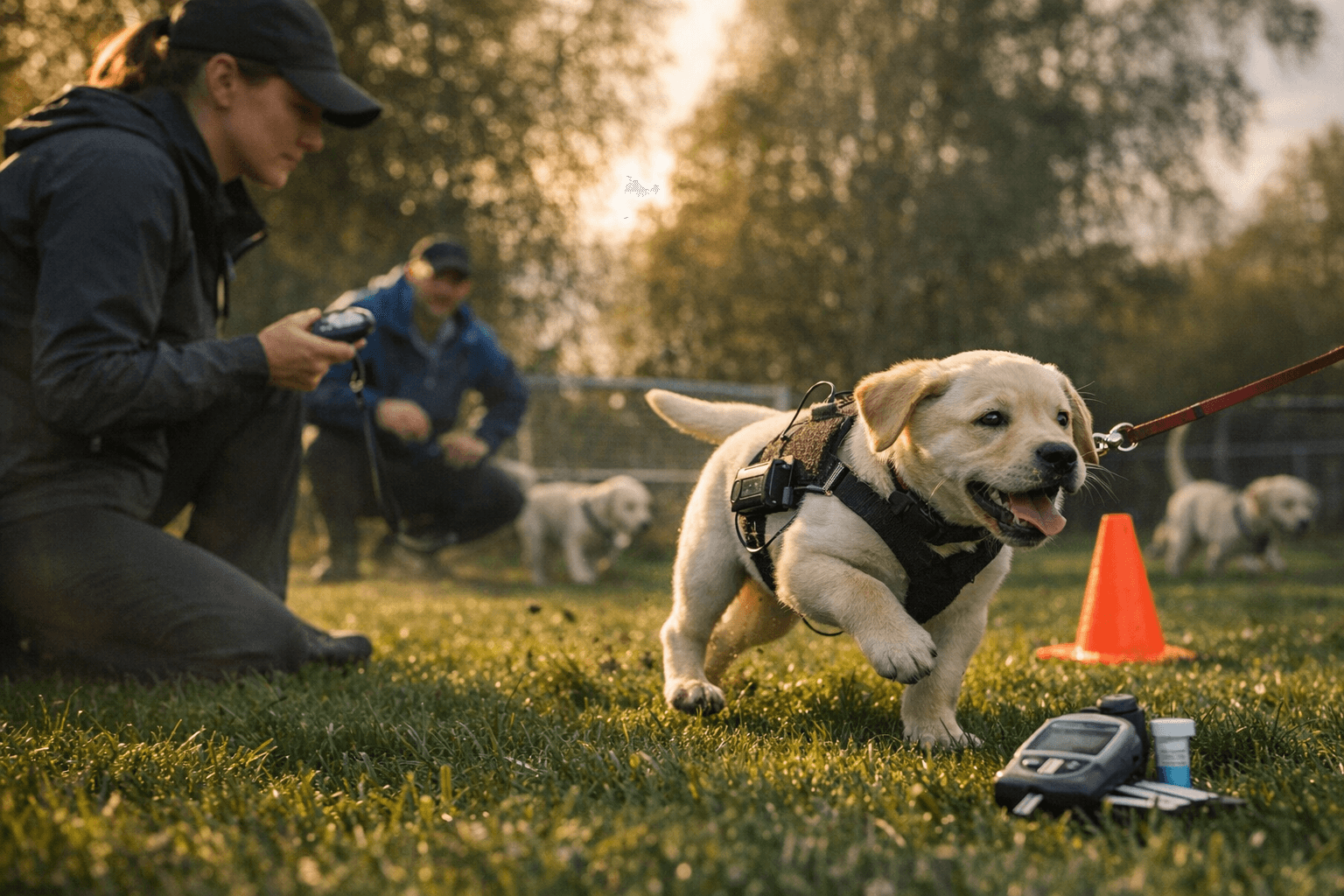
Three signs mean stop the session and call your vet: any new lameness or reluctance to weight-bear on a limb after exercise, a heart rate that stays noticeably elevated well beyond the five-to-eight-minute recovery window when it had been resolving normally before, and any pain response or behavioral shutdown during a session. The Helsinki protocol required a full lameness evaluation and gait check before every single fitness test; that level of monitoring is the floor, not the ceiling, for conditioning work at this age.
The authors are clear about what this study does not yet prove. With 15 dogs and no long-term follow-up, joint health and injury incidence remain unassessed, and musculoskeletal outcomes in growing dogs require longitudinal data this trial was not designed to provide. The 32-beat recovery improvement is a meaningful early signal for handlers preparing agility, flyball, or working-dog prospects; it is not yet clearance to move past age-based exercise guidelines without veterinary oversight, and the team calls explicitly for larger trials before any broader change in practice.
Know something we missed? Have a correction or additional information?
Submit a Tip