North Carolina Breeders Build Champion Dalmatians Through Decades of Care
A North Carolina kennel has produced 40 champions from just 13 litters, proving Dalmatians reward patience, structure, and a home built for motion.
The dog that keeps showing up in motion
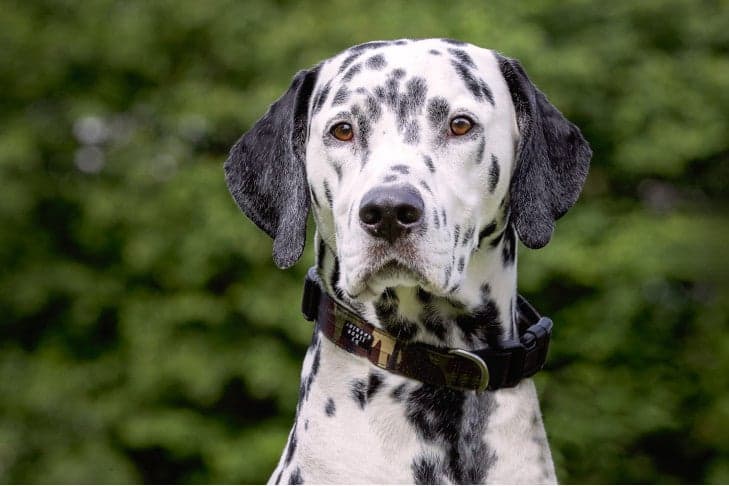
A Dalmatian was never meant to be decorative furniture with spots. Karen Rowan’s work at Gaelic Dalmatians in North Carolina makes that plain: since 1997, she and her husband, Paul, have produced just 13 litters, yet those litters have yielded 40 champions. That kind of record does not come from luck or volume. It comes from a breeder who understands that a breed built for distance, pace, and purpose has to be raised with the same seriousness at home that it once demanded on the road.
That is the real lesson in Rowan’s profile. High-drive dogs are not simply energetic; they are shaped by jobs, by history, and by the people who decide whether that drive gets managed well or allowed to run the household.
Why the Dalmatian is different
The Dalmatian’s history explains almost everything prospective owners underestimate. Britannica describes the breed as a coach or carriage dog, and other breed references note that Dalmatians served as escorts and guards for horse-drawn vehicles. In Victorian England, they found a niche as coach dogs, and later they became firehouse dogs because they could travel with horses, help protect the rig, and deter thieves. The American Kennel Club recognized the breed in 1888, which tells you how long the dog fancy has been trying to formalize a breed with very old working instincts.
That heritage still lives in the modern Dalmatian. Karen Rowan describes the breed as a movement dog, and that phrase is more accurate than people realize. This is not a breed that was selected for casual strolls or a low-key afternoon schedule. It was built to run alongside horses for miles, and that athletic inheritance shows up in the dog you bring home today. If your idea of exercise is a few quick laps in the yard, the dog will usually outlast your enthusiasm.
What decades of careful breeding actually look like
Gaelic Dalmatians is small on purpose, and that restraint matters. Producing 13 litters in more than 30 years is the opposite of churn. It means every pairing, every puppy, and every placement has room for thought, and it helps explain why the kennel has become known for success in the Bred-By-Exhibitor class as well as in the ring.
Rowan’s path also matters because it shows how responsible breeding grows out of education, not instinct alone. She had loved dogs, especially large breeds, for years before she brought home her first Dalmatian, and she spent time studying responsible breeding before taking that step. The story does not pretend that everything came easily. Their first dog had separation anxiety, and Rowan says that experience taught them a great deal about what not to do. That kind of honesty is useful because it strips away the fantasy that a beautiful dog and a good pedigree automatically create an easy household.
For owners, the takeaway is blunt: a kennel’s reputation often reflects the amount of time it takes to do things right. The smaller the operation, the more each decision has to hold up over years, not weekends.
What people routinely underestimate
The mistake most people make with Dalmatians is assuming fitness solves everything. Exercise helps, but a hard-wired high-drive breed needs more than motion. It needs predictable structure, early socialization, training that sticks, and a home that can absorb a dog with stamina and a mind that wants a task.
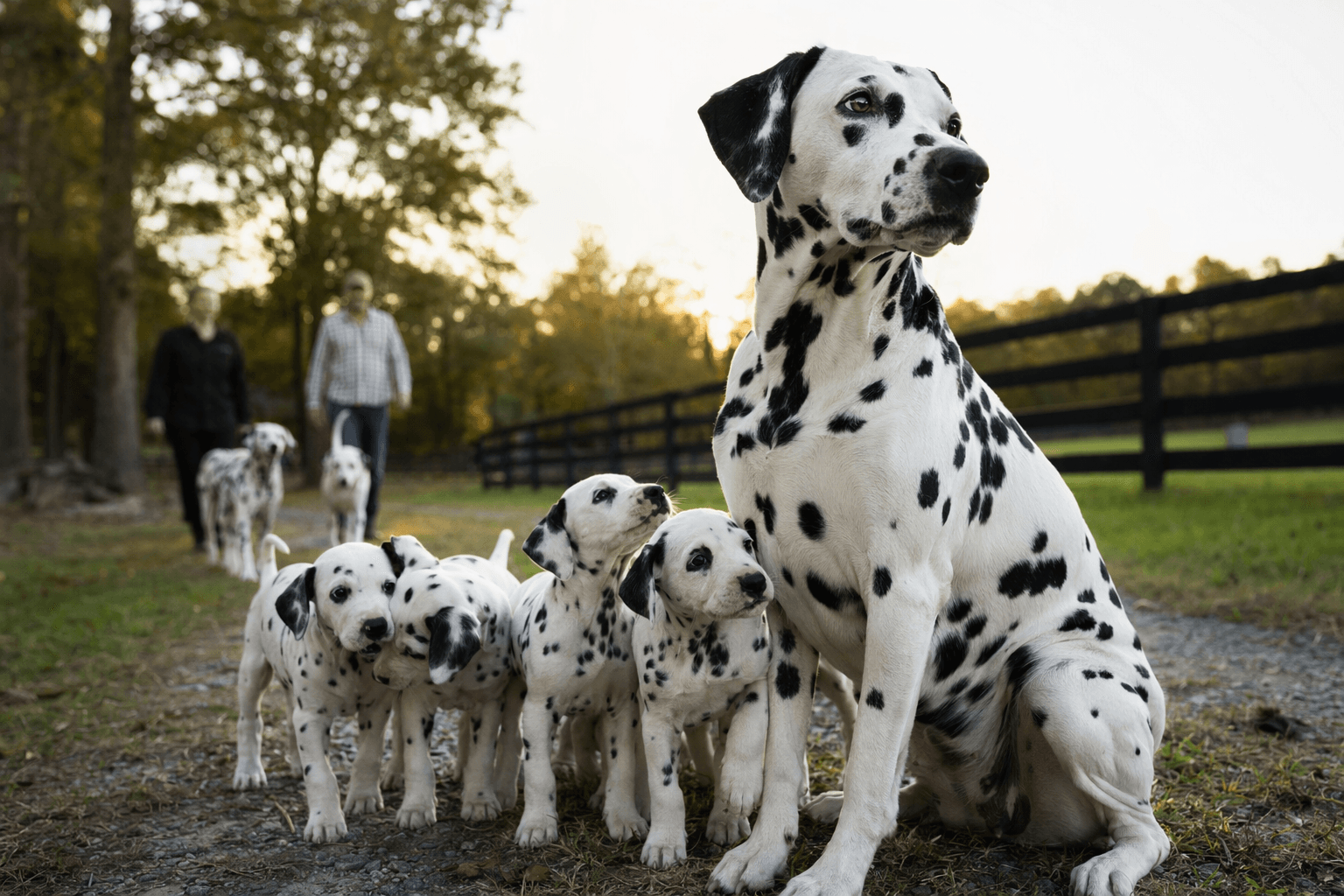
The Rowan profile, paired with the breed history, points to a few realities that matter in daily life:
- A Dalmatian can be physically tireless and still mentally bored.
- Separation issues can surface if you build a life around constant stimulation but no real calm.
- A pretty dog with a famous role history still needs boring repetition, not just fun outings.
- If your schedule is chaotic, the dog will feel that chaos.
That is why the crate-training lesson resonates so strongly with hyperactive dogs. A crate is not punishment when used correctly; it is often the first place a spinning mind learns to stop. For a breed like the Dalmatian, that matters as much as running time. Calm is a skill, not a personality trait you can assume will appear on its own.
How to match a Dalmatian to a real home
The right home for a Dalmatian looks active, but more importantly, it looks consistent. This breed suits people who can build routine into workdays, training, and exercise without treating those things as optional extras. Active families and serious exhibitors are drawn to the breed for good reason, but the fit only works when activity is paired with management.
Start by asking whether your life can handle a dog that wants to move and stay engaged. A Dalmatian does best when the household can deliver:
- Daily physical work, not just occasional long outings.
- Training that begins early and stays steady.
- Structured downtime so the dog learns how to switch off.
- Enough patience to handle adolescent intensity without giving in to chaos.
- A serious commitment to placement, socialization, and long-term responsibility.
Rowan’s kennel model shows why this matters. Gaelic Dalmatians is not built around producing as many puppies as possible. It is built around producing dogs that can succeed in the ring and still be placed thoughtfully in homes that understand the breed. That balance is exactly what prospective owners should look for in any breeder and in themselves.
The point of the breed is the point of the match
The Dalmatian has lasted because it is not a generic dog. It is a breed with a purpose, and that purpose shaped its energy, its stamina, and its needs. When you understand that history, the advice becomes simpler: do not choose a Dalmatian because you want a dramatic coat or a famous silhouette. Choose one only if you are ready for a dog whose body and mind were built to work.
Karen Rowan’s 30-plus years with Gaelic Dalmatians show what happens when that history is respected instead of romanticized. The result is not just champions. It is a clearer standard for what a high-drive breed deserves: careful breeding, steady training, and a home that knows motion is only the starting point.
This article was produced by Prism’s automated news system from verified source data, official records, and press releases, then run through automated quality and moderation checks before publishing. The system is built and supervised by the people who set the standards it runs under. Read our full AI policy.
Did this article answer your question?