Private Groups Drive Surge in Enrichment for 12 Reactive Dog Breeds
Private groups and community platforms are driving a surge in targeted enrichment and decompression for reactive, high-drive dogs, giving owners practical tools to reduce stress and refocus behavior.
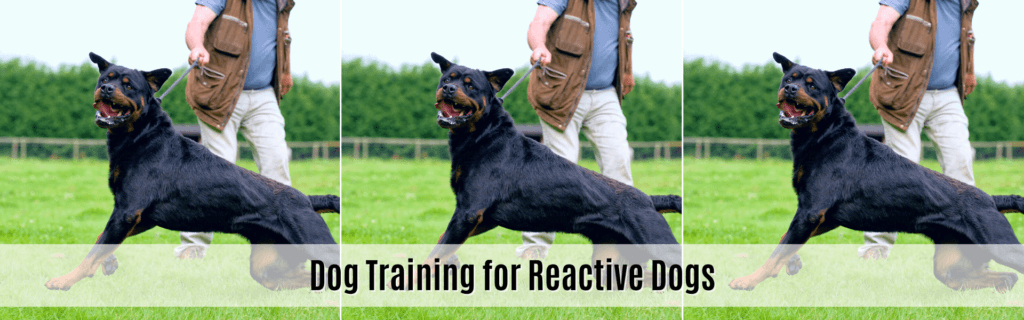
Owners of reactive and high-drive dogs are increasingly sharing targeted enrichment and decompression strategies in private Facebook groups, community platforms and training circles, prompting a practical shift in how reactivity is managed at home. The trend emphasizes mental stimulation, breed-appropriate activity and planned recovery time as core tools for reducing frustration and refocusing attention.
Hands-on tactics dominate conversations. Pawsitive Futures recommends swapping the ordinary food bowl for puzzle feeders and writes, “Replace your dog’s food bowl with puzzles or freeze a Kong stuffed with kibble, yogurt, or peanut butter. This keeps your dog busy, encourages problem-solving, and slows down mealtime.” Owners are also retooling household items into low-cost puzzles: “Household items like cardboard boxes, muffin tins, or paper towel rolls can be turned into safe puzzles. Let your dog shred, dig, or forage for treats in creative ways that tap into their natural drives,” a Pawsitive Futures excerpt states. Sniffspot and community threads push scent work too, advising owners to “encourage your dog’s sense of smell by scattering food in a snuffle mat, tall grass, or even around your living room. These treasure hunts build confidence and provide a calming activity.”
Decompression is treated as equally essential. Pawsitive Futures advises combining exercise and enrichment with calm recovery: “The best plan for a reactive dog combines physical exercise, mental enrichment, and calm recovery time. After stimulating activities, make space for decompression. Offer a quiet chew, gentle grooming, or simply relax together on the couch.” That deliberate cool-down is a frequent recommendation in private play-and-de-stress posts, where owners report better focus and fewer high-arousal episodes after adding structured downtime.
Safety and professional input remain central. Sniffspot reminds owners, “When introducing any new enrichment activity, supervise your dog closely. Make sure any toys or materials are non-toxic and durable. If you're using food puzzles, choose treats that are appropriate for your dog's size and dietary needs. For activities like swimming or parkour, take appropriate safety precautions and consider working with a qualified trainer.” Community hubs named by owners include the Canine Enrichment Facebook Group and r/reactivedogs, while platforms that curate local trainers and spaces also circulate ideas and class leads.
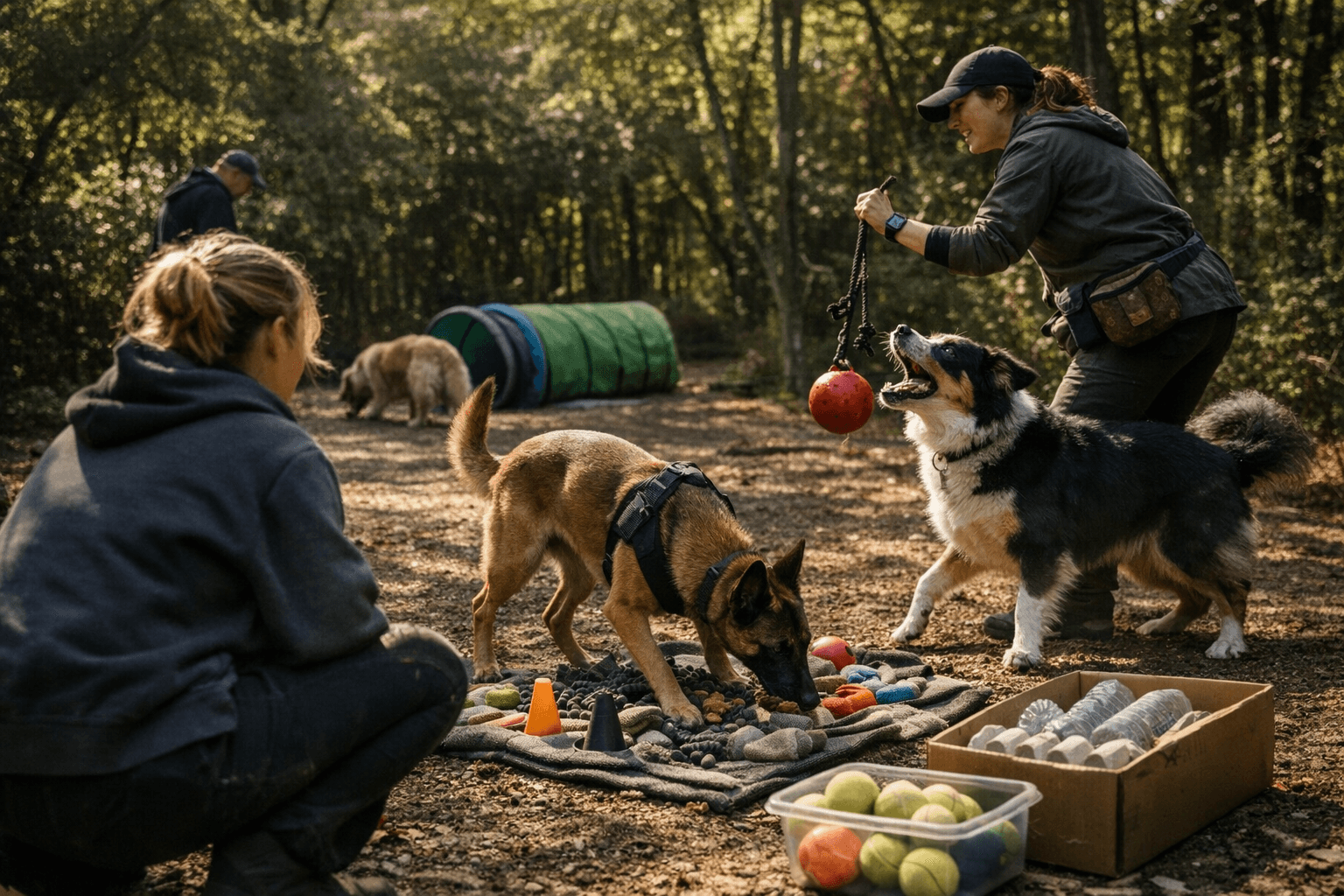
The community framing parallels behavioral definitions used by trainers. Collieball describes a reactive dog as one that “overly reacts to everyday scenarios and often struggles to calm down afterward,” and stresses that reactivity stems from “a heightened sensitivity or anxiety to their surroundings.” That language steers owners away from blame and toward management plans centered on stimulation, structure and reassurance.
Not all conversations about breed overlap neatly with enrichment talk. Media analyses citing breed-level bite statistics are part of the wider public debate, with one widely quoted line noting, “Dog bite statistics show that pit bulls are responsible for over 60 percent of all fatal dog attacks in the U.S.” Community moderators and trainers urge separating breed-level headlines from individualized enrichment plans; owners report better outcomes when strategies are tailored to each dog’s drives and tolerance.
What this means for readers is actionable: try puzzle feeders, frozen Kongs, snuffle mats or DIY scent games, pair activity with calm recovery, supervise new items closely, and consult a certified trainer or behaviorist for escalation. Private groups will continue to be the testing ground for fresh ideas, but owners who combine community-tested tactics with safety and professional guidance are most likely to see real, lasting reductions in reactivity.
This article was produced by Prism’s automated news system from verified source data, official records, and press releases, then run through automated quality and moderation checks before publishing. The system is built and supervised by the people who set the standards it runs under. Read our full AI policy.
Did this article answer your question?