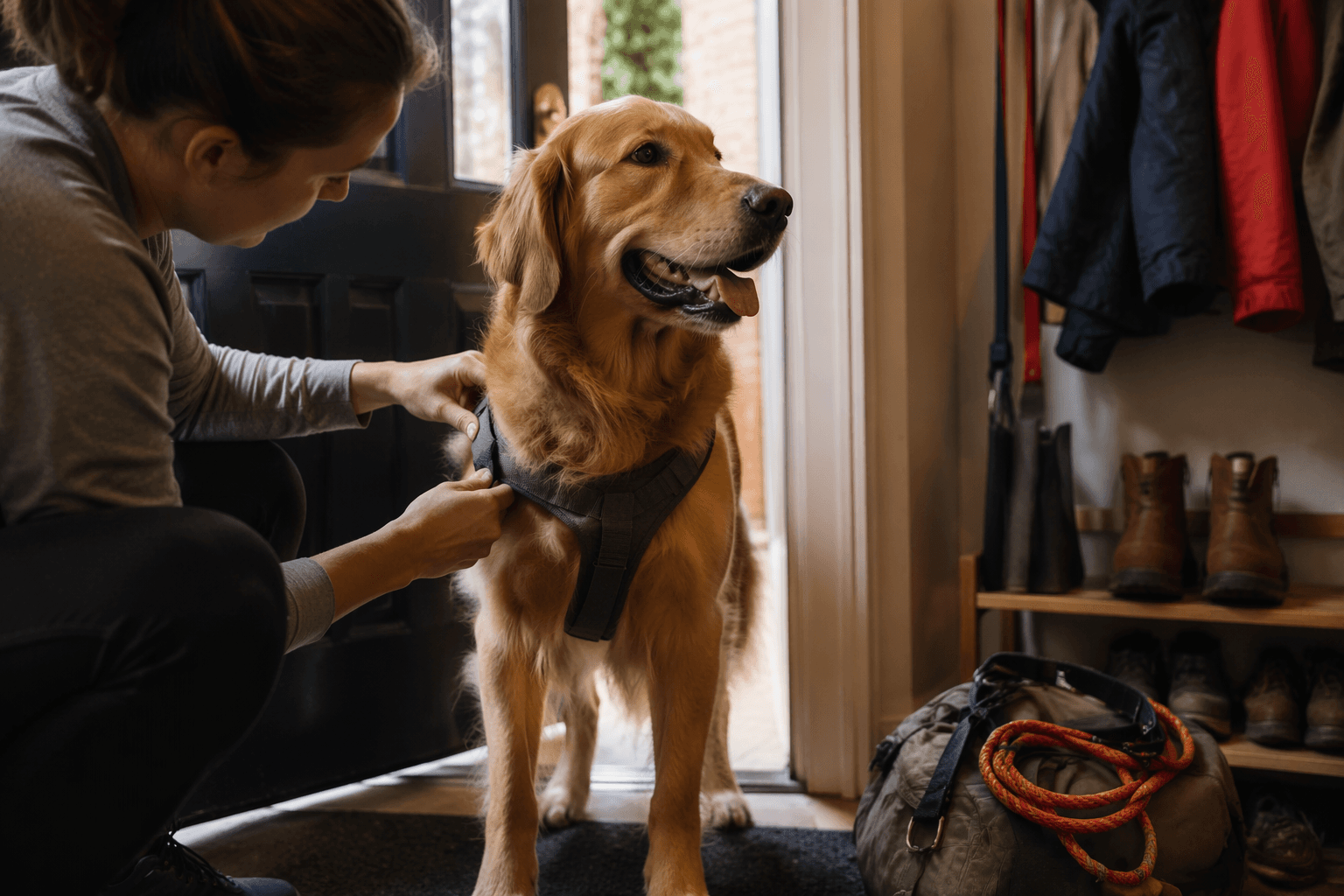
Texas DPS graduates nine new K-9 teams, expands statewide deployment
Nine K-9 teams and four tech trainers joined a Texas DPS program now fielding 59 narcotics dogs, 15 explosives dogs and 14 trackers statewide.
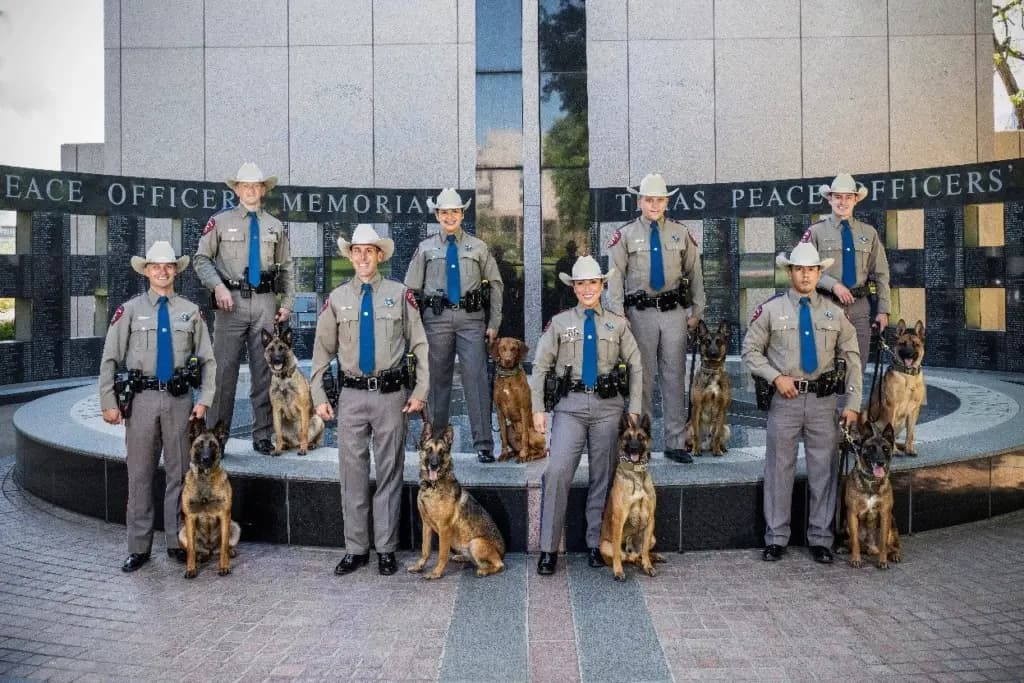
Nine new K-9 teams and four certified tech trainers have been cleared for duty, and Texas is sending them into one of the biggest state police dog programs in the country. The latest class adds German Shepherds, Dutch Shepherds, Belgian Malinois, Labrador Retrievers and a Vizsla to work narcotics, explosives and tracking assignments across Texas.
The Texas Department of Public Safety said the graduating teams finished a nine-week training course, but that was only the back half of the pipeline. Each dog also went through six weeks of pre-training before pairing with a handler, a process designed to test drive, focus and reliability before a dog ever gets placed on patrol, interdiction or search work.
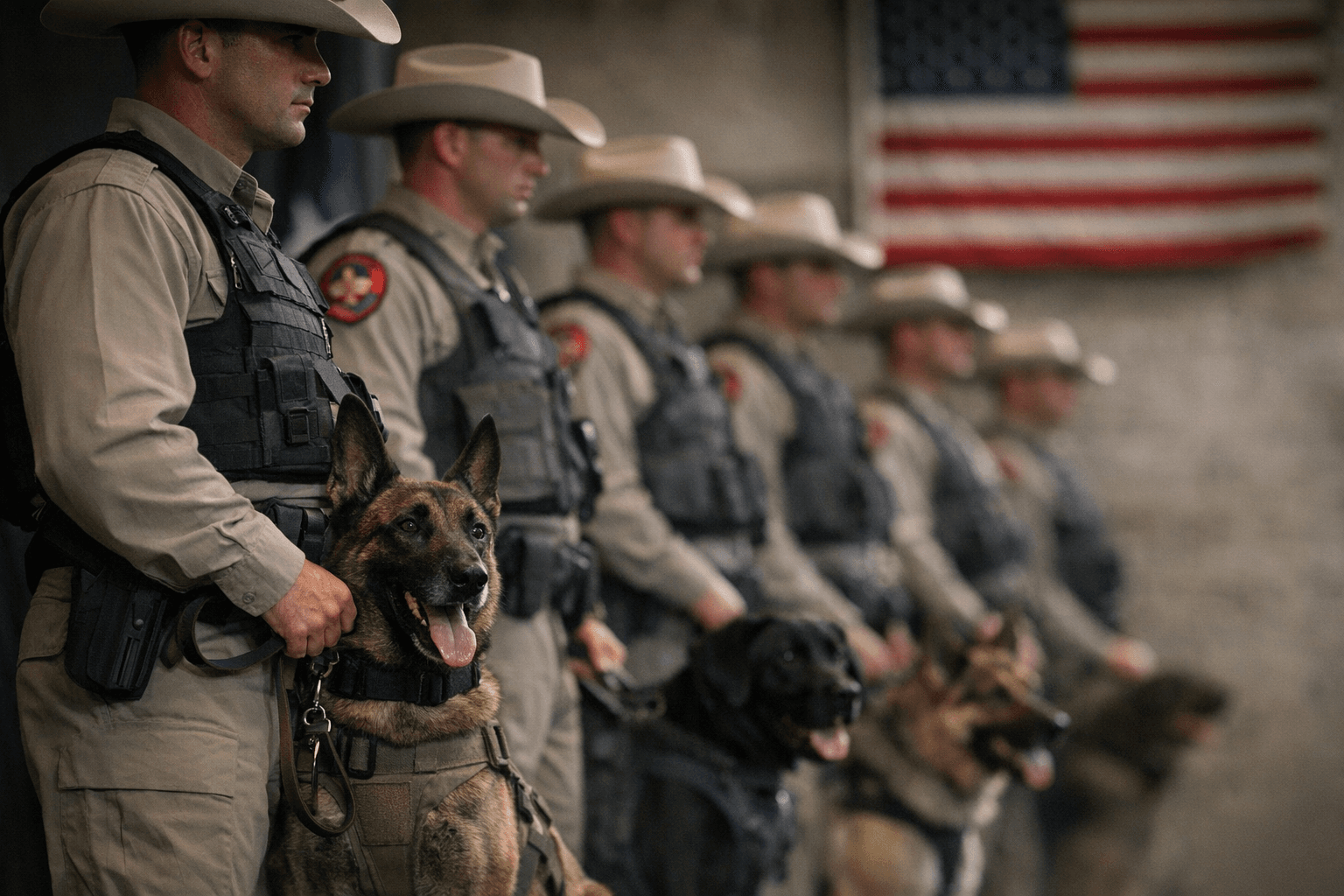
That front-end work is where the tech trainers matter. DPS said the trainers help build the first six weeks of instruction, then stay involved by evaluating daily performance, tracking training aids and measuring progress after the dogs are matched with handlers. To do that job, tech trainers must be TCOLE-approved instructors and complete 250 credit hours in a specific discipline. It is a reminder that a strong K-9 is not just a hard charger with good instincts; it is a dog that has been shaped into a repeatable tool.
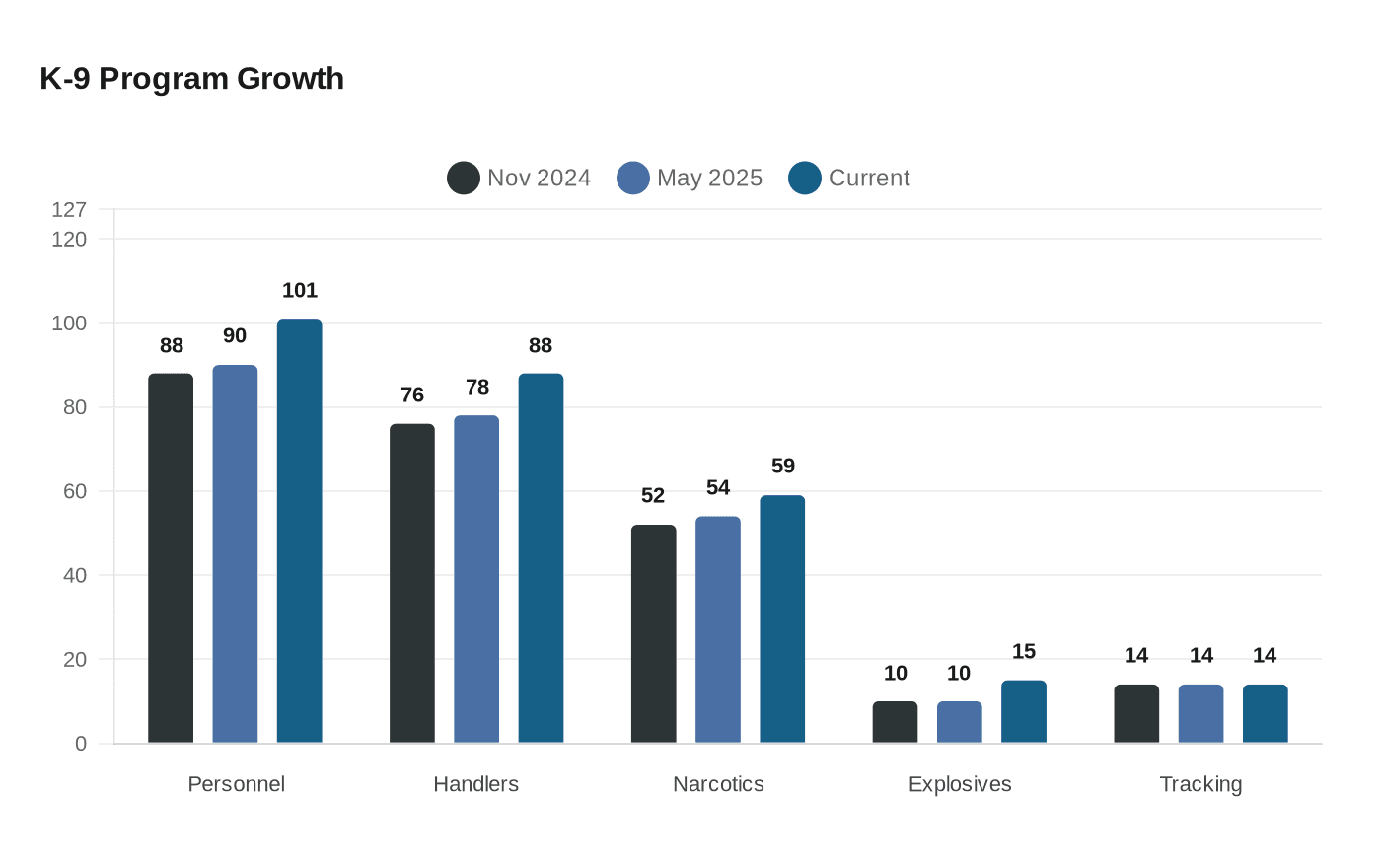
The numbers show how fast the program has grown. DPS said its K-9 branch now has 101 personnel and 88 handlers, with 59 narcotics detection dogs, 15 explosives detection dogs and 14 tracking dogs in service. In November 2024, the program stood at 88 personnel, 76 handlers, 52 narcotics dogs, 10 explosives dogs and 14 tracking dogs. By May 2025, it had climbed to 90 personnel, 78 handlers, 54 narcotics dogs, 10 explosives dogs and 14 tracking dogs. The message is clear: Texas is investing in more dogs, more handlers and more specialized capability, not just keeping pace with demand.
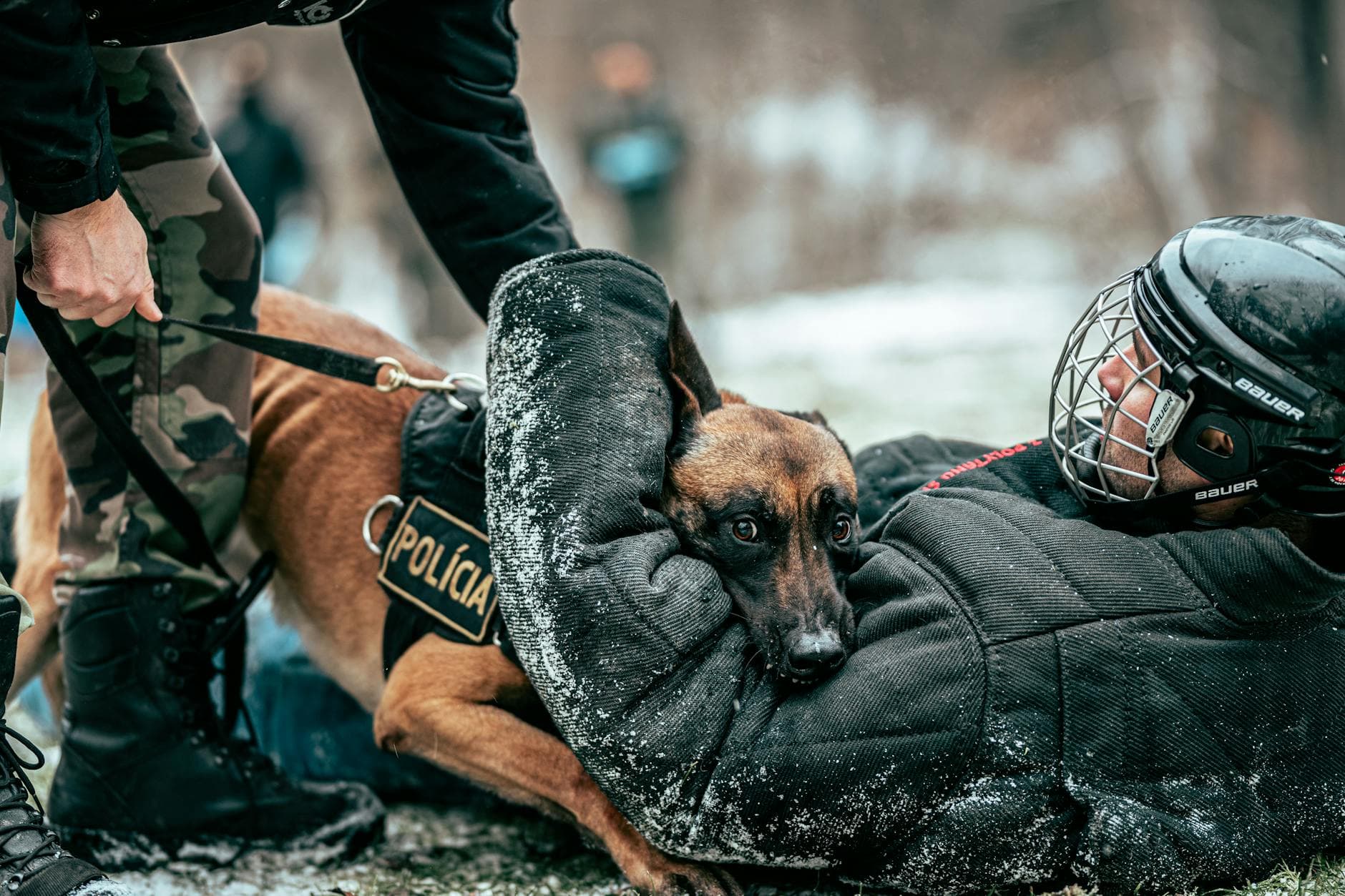
That matters in the field. DPS tracking dogs are used in fugitive work and search operations, and one recent tracking team, K-9 Stark, recorded tracks as long as 16 miles. Handlers also receive training in canine health awareness and emergency medical care, because these dogs are expected to perform in punishing conditions and still be ready for the next call.
The program reaches beyond highway stops and drug searches. DPS has also used K-9s in the Executive Protection Bureau, where Magnum, a Belgian Malinois from Poland, completed a 12-week explosive-identification program after Jake, the first explosive-ordnance-detection K-9 assigned there, retired in November 2024. From Austin and the Capitol region to major interdiction corridors, Texas is building a K-9 bench with real range, and the latest graduating class extends it again.
This article was produced by Prism’s automated news system from verified source data, official records, and press releases, then run through automated quality and moderation checks before publishing. The system is built and supervised by the people who set the standards it runs under. Read our full AI policy.
Did this article answer your question?