Train Dogs for Hiking Safely: Vet Clearance, Baseline Assessment, 10-Week Plan
Start with vet clearance, run a baseline fitness check, then follow a phased 10-week conditioning plan to build safe hiking endurance for dogs.
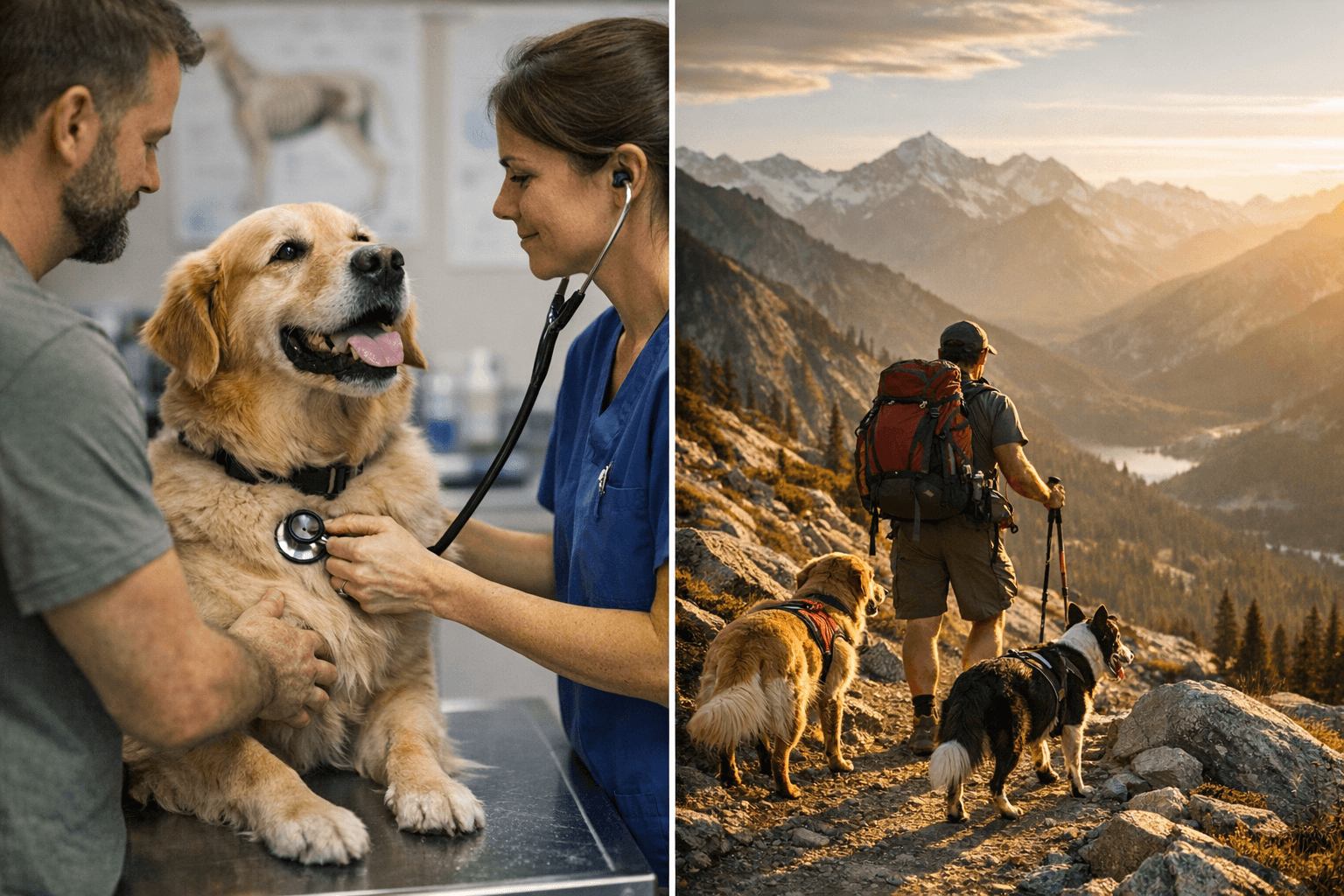
Vet clearance is nonnegotiable before stepping up a dog’s hiking load. That consensus runs through the training playbook: check medical fitness, assess a baseline of regular walks and gentle hills, then progress through foundation walks, incremental mileage increases and hill work toward longer, steeper outings.
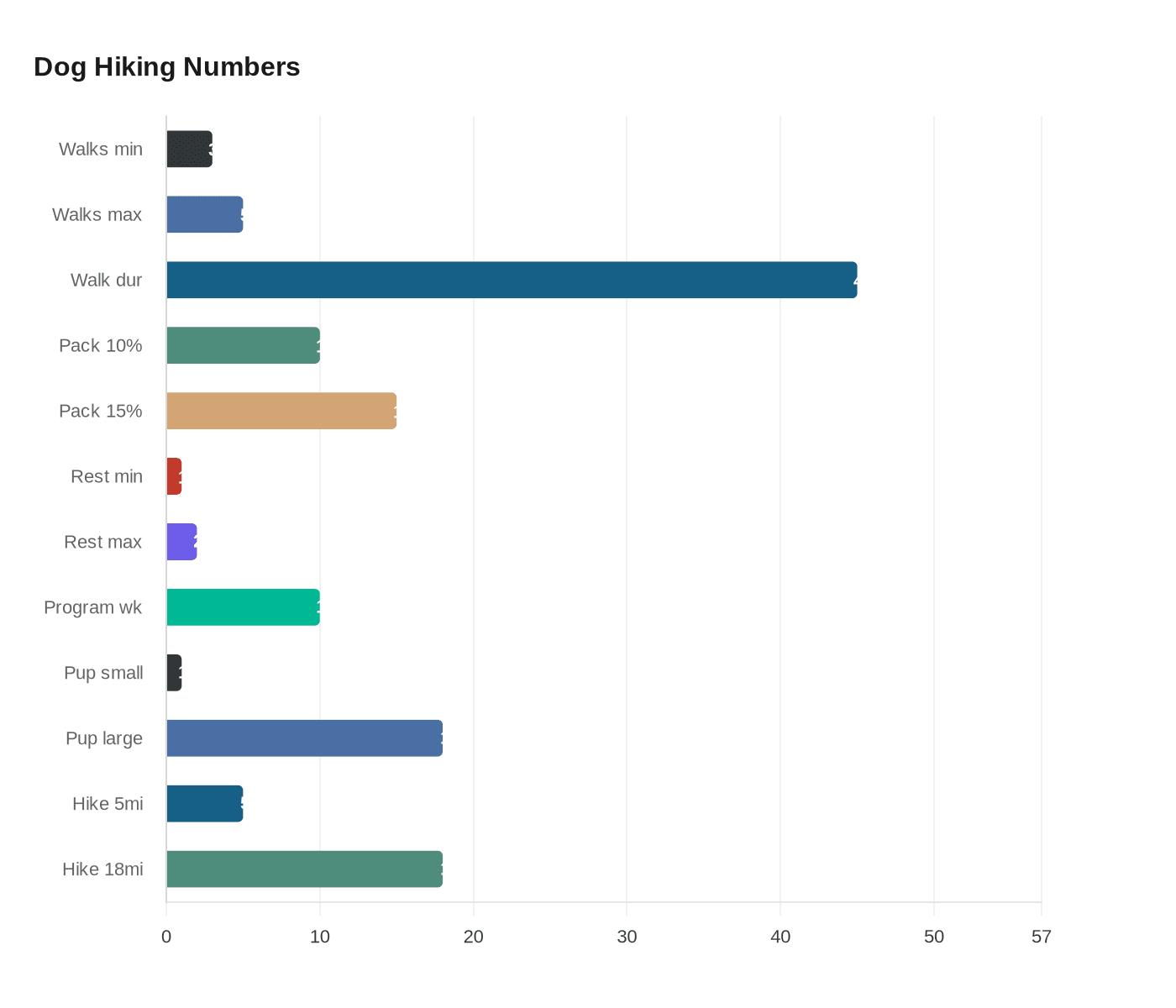
First steps are simple and practical. "Note: I’m not a veterinarian, a dog or people physical trainer, or a dog conditioning expert. However, from my experiences training for my own marathon and hiking with small dogs for over 10 years, I get the concept of conditioning and building physical endurance. I’m sharing what I know, and has worked for us, here. Also, ALWAYS CHECK WITH YOUR VET BEFORE STARTING YOUR DOG ON A NEW EXERCISE ROUTINE," writes the owner of Chester and Gretel, anchoring the advice in experience while handing responsibility to the vet. Establish a baseline: walk 3-5 times a week, with the majority of those walks lasting "45 minutes or more," then use that steady cadence to judge readiness for harder work.
A phased conditioning progression draws on practical elements readers can use immediately. Begin with foundation walks to build cardiovascular fitness, then add incremental mileage increases rather than abrupt jumps. Introduce hills and variable footing - rocky, rooty, scree - once your dog is comfortable on flat trails. For mountain-bound teams, practice altitude exposure gradually and let the dog acclimate on day hikes before pushing higher. When carrying weight, follow the specific guideline: "Backpack introduction: Use a light dog backpack (10–15% of body weight max) to build carrying strength."
Adventureswithfinch offers a sample framework you can adapt: Weeks 1-2: Getting Started; Weeks 3-4: Increasing Duration; Weeks 5-6: Building Stamina; Weeks 7-8: Long Distance Training; Weeks 9-10: Final Preparations; then Ongoing Maintenance. Schedule "one to two rest days each week" and make longer practice walks mimic your intended hike, including the same on-leash and off-leash ratios. Puppy guidance is explicit: "Do not begin training a puppy until they are fully grown. For small to medium dogs this means waiting until they are one, for larger breeds you should wait until they are at least 18 months. Speak to your vet if you’re unsure."
Nutrition, recovery and gear round out a safe program. Use "high quality, protein-rich food," consider "joint supplements (as approved by vet)," build rest days and active recovery into the calendar, mind paw care and massage/stretching, and carry a well-fitted hiking harness, dog booties, water and first-aid gear. Track progress with concrete metrics: "Track performance: how far, how fast, how many rest breaks" and "Watch for fatigue, limping, lethargy." Know the limits of your dog: "Some dogs won’t ever hike more than 5 miles," while "a few dogs – even small dogs – that can do 18 miles in a day no problem."
Your dog’s mountain capacity takes time. "Your dog’s mountain capacity is a journey, not an overnight transformation. Celebrate the small gains, adapt the plan to your dog’s body and pace, and always maintain trust and communication." With vet sign-off, steady baselines, clear metrics and a conservative 10-week ramp, you can build endurance and keep tails wagging on the trail.
Know something we missed? Have a correction or additional information?
Submit a Tip