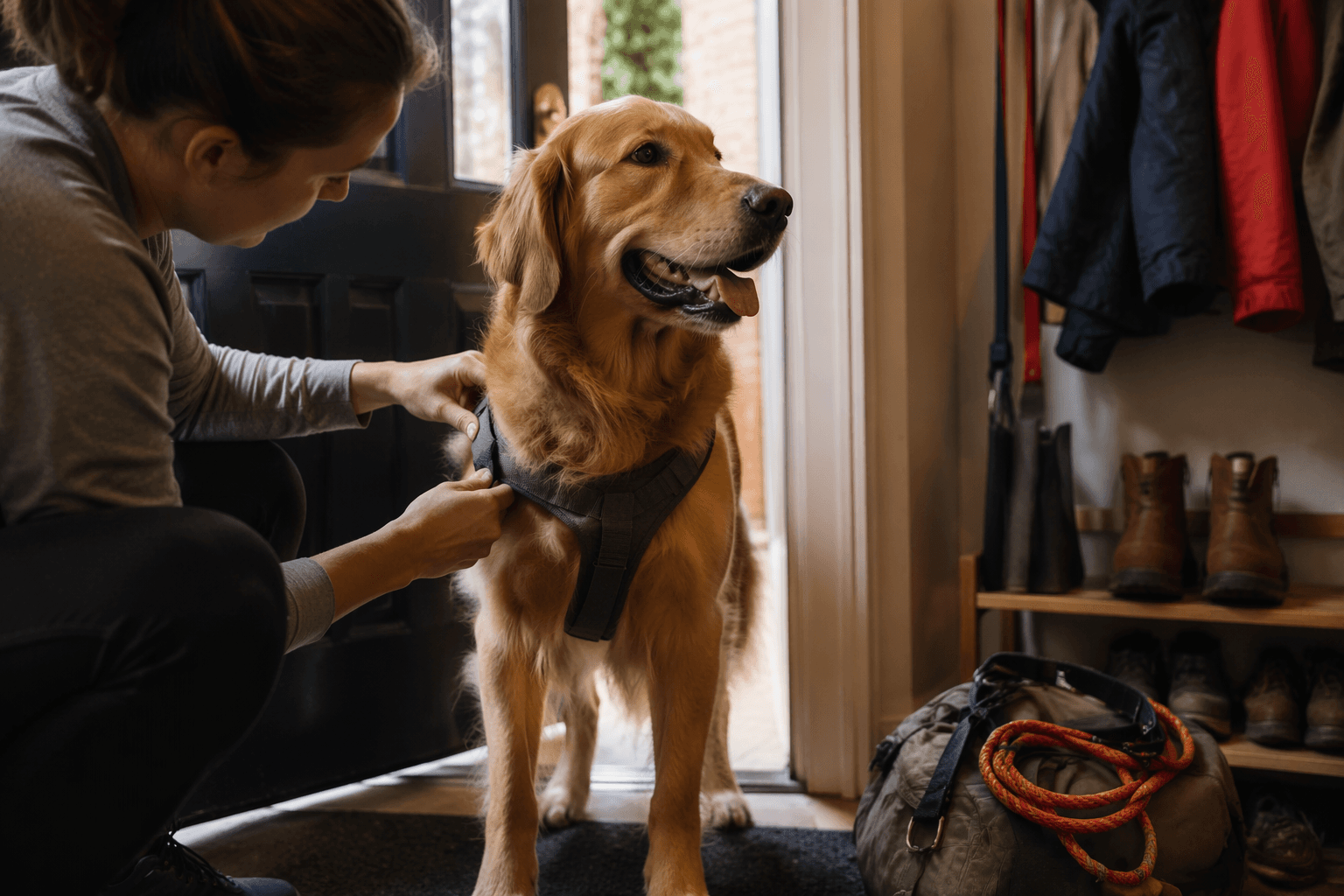
University of Tennessee Researchers Measure Elastic Band Forces for Veterinary Therapy
UT Knoxville researchers finally put hard numbers behind elastic resistance band therapy for dogs, proving stiffness, length, and stretch all determine how hard a band actually works.
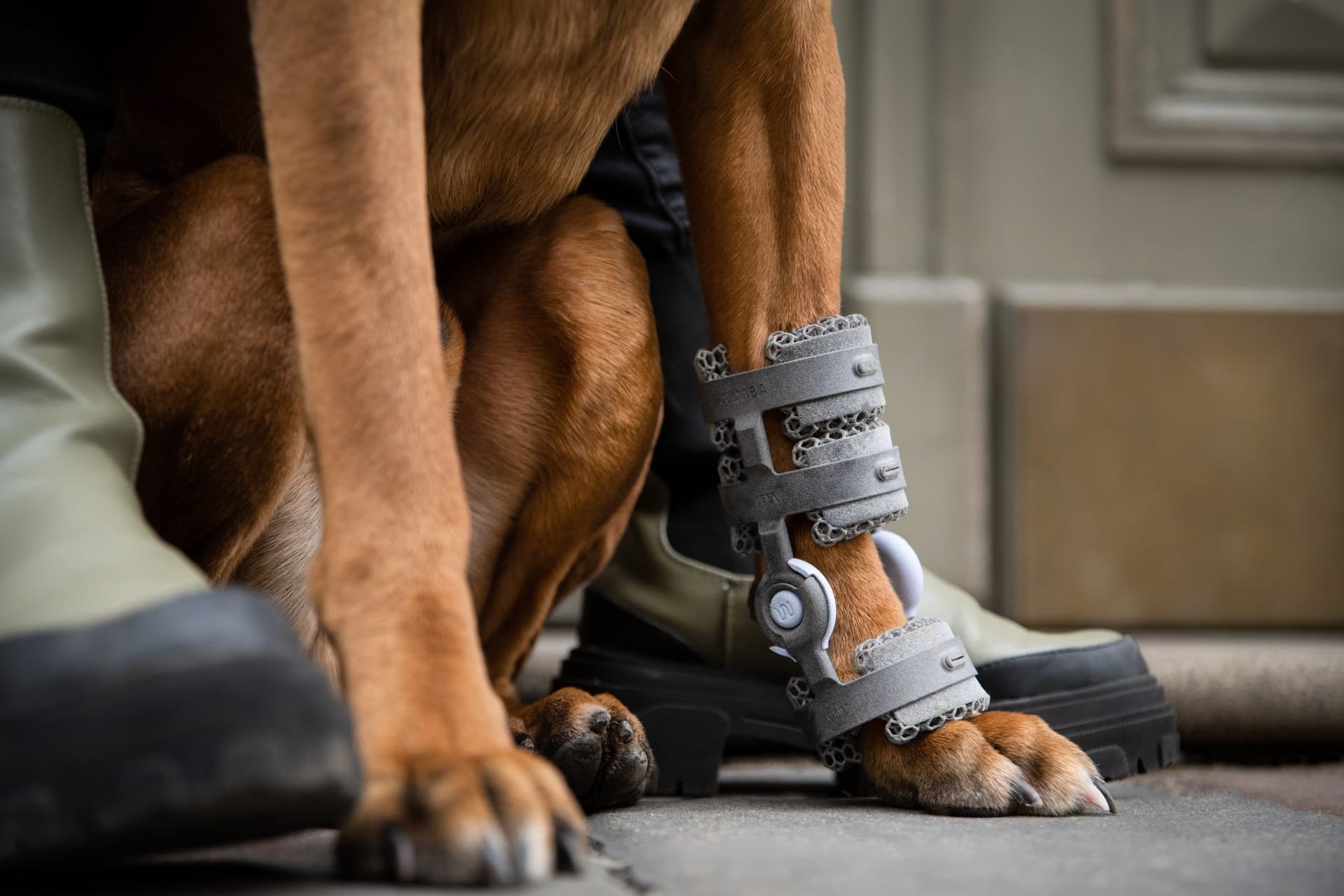
For anyone who has watched a canine rehab therapist loop an elastic resistance band around a dog's limb and wondered exactly how much force that band is actually generating, a team from the University of Tennessee College of Veterinary Medicine now has an answer backed by biomechanical data.
Phillip Saint-Martin, Daniel McCarthy, Pierre-Yves Mulon, and Darryl Millis published their findings in Frontiers in Veterinary Science this month, establishing quantitative force measurements for therapeutic elastic resistance bands (ERBs) used in canine rehabilitation. The study, appearing in the journal's Veterinary Surgery section as part of the Sports Medicine and Physical Rehabilitation, Volume IV research topic, addresses a gap that has long complicated how rehabilitation professionals prescribe band-based exercise for their patients.
Elastic resistance bands are a staple of both canine and human strengthening protocols, commonly used to help restore muscle strength during recovery. The problem, as the Knoxville team framed it, was straightforward: there has been limited published quantitative data on how much force those bands actually produce under the specific conditions found in veterinary rehabilitation settings. Without that data, prescribing ERB exercises has been more art than science, with little ability to standardize dosing the way you would with a weight or a measured resistance machine.
The study tested bands of different stiffnesses and resting lengths across various elongation levels, measuring the tensile forces each configuration produced. The team's hypothesis held: stiffer bands, shorter starting lengths, and greater elongation all generated greater tensile force. That three-way relationship between stiffness, starting length, and how far the band is stretched now gives rehabilitation practitioners a framework for making deliberate, reproducible choices rather than relying on intuition or rough approximations.

The clinical payoff, as the authors describe it, is the ability to prescribe ERB exercises as "a specific and repeatable rehabilitation dosing intervention in veterinary rehabilitation." That phrasing matters in a clinical context. Repeatability is the difference between a rehab protocol that can be tracked, adjusted, and communicated between practitioners, and one that simply varies based on whoever happens to be holding the band that day.
This work builds on preliminary data the team reported in 2019, making the 2026 publication a more comprehensive expansion of findings that have been years in development. The peer-reviewed paper, which cleared two anonymous reviewers, is available through Frontiers in Veterinary Science at doi:10.3389/fvets.2026.1799600.
For dogs working through post-surgical recovery, orthopedic injury, or sport conditioning programs, the practical implication is a rehabilitation toolbox that just got considerably more precise.
This article was produced by Prism’s automated news system from verified source data, official records, and press releases, then run through automated quality and moderation checks before publishing. The system is built and supervised by the people who set the standards it runs under. Read our full AI policy.
Did this article answer your question?