USDA extends dog welfare comment period, seeks updates after 30 years
USDA’s dog welfare review reopened for comments and could tighten exercise, housing and breeding standards after more than 30 years.
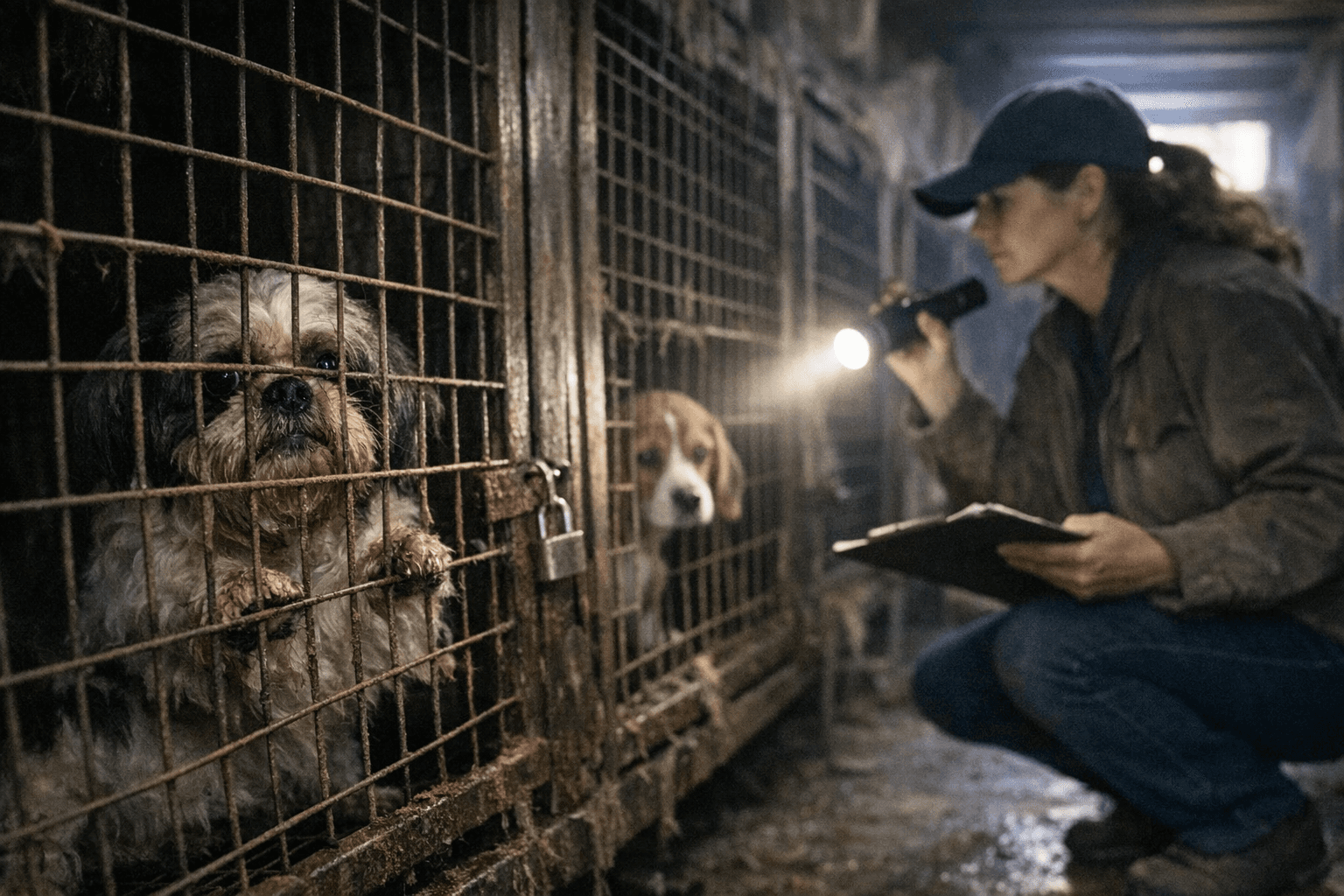
The USDA has put dog exercise, kennel space and breeding-female care back under a federal microscope, and the stakes land first on licensed breeders, exhibitors, research facilities and transporters that live under the Animal Welfare Act. The Animal and Plant Health Inspection Service reopened the comment window for its dog welfare review through April 20, 2026, after originally setting a March 19 deadline, and the docket already had 9,279 comments when the notice was posted.
The review, opened as Docket No. APHIS-2025-1000 on February 17, asks whether the rules governing the humane treatment of dogs kept by regulated entities should be updated after more than three decades. APHIS said it wants to identify outdated standards, new science and stakeholder interest, with a particular focus on veterinary and nutritional care for breeding females, the effects of age, litter frequency and genetics, and best practices for exercise and socialization. That matters far beyond ordinary pet ownership: the federal standards reach the facilities where many dogs are bred, housed, worked and transported.
The American Veterinary Medical Association said the current federal standards for housing, feeding, sanitation and exercise were last substantially revised in 1991, with only limited updates in 2020. In practical terms, that means the rulebook governing kennel life for regulated dogs was written before most of the science now used to shape modern breeding, conditioning and welfare decisions. APHIS said the review is intended to catch up to that science, and the agency has also framed the effort as a USDA priority for Secretary of Agriculture Brooke Rollins.

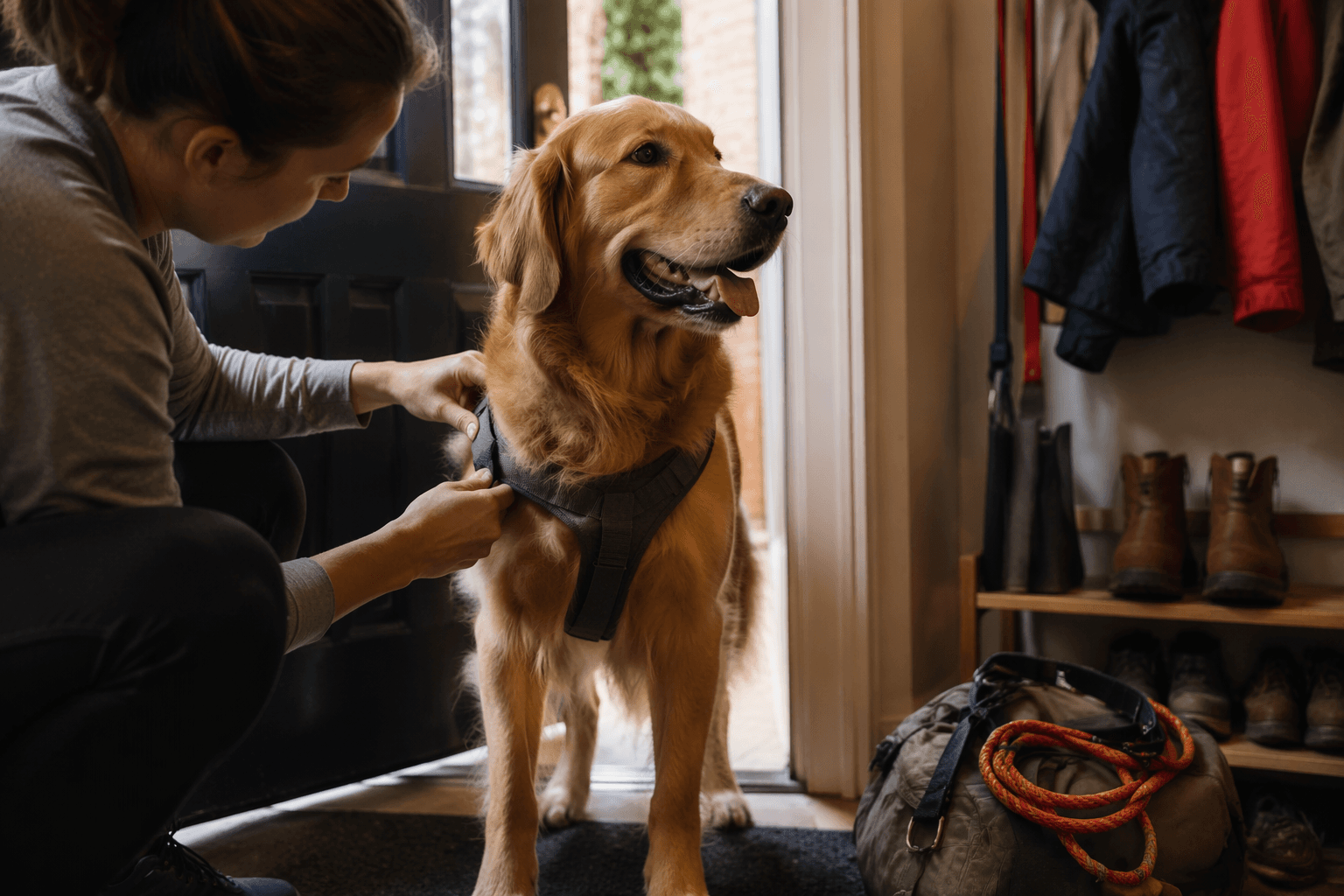
For the hyperenergetic-dog world, the most relevant part is the agency’s explicit attention to exercise and socialization for kenneled dogs, including singly housed animals. The American Kennel Club said APHIS is asking for data on exercise needs by age, breed and health, along with the type, frequency and duration of exercise, plus the role of human interaction. The agency also pointed to kennel improvements such as more space, environmental enrichment and outdoor access, all of which could reshape how high-drive dogs are managed in breeding programs and other regulated settings.
The scale is not small. APHIS’s 2024 Impact Report says the agency oversees more than 17,500 breeders, dealers, exhibitors, research facilities, transporters and dog importers subject to the Animal Welfare Act. It also carried out more than 9,700 site inspections in 2024 and found 96% of licensees and registrants in substantial compliance. That same report says APHIS issued 2,295 import permits covering 6,089 dogs for resale in the United States, a reminder that the federal system already touches a huge pipeline of dogs whose daily care could change if the standards are tightened.
This article was produced by Prism’s automated news system from verified source data, official records, and press releases, then run through automated quality and moderation checks before publishing. The system is built and supervised by the people who set the standards it runs under. Read our full AI policy.
Did this article answer your question?