Vets Worldwide Urge Stronger Parasite Prevention as Environmental Risks Grow
More than 40 veterinary organizations from five continents signed a parasite prevention pledge on March 20 as Lyme disease, heartworm, and ticks push into regions once considered low-risk.
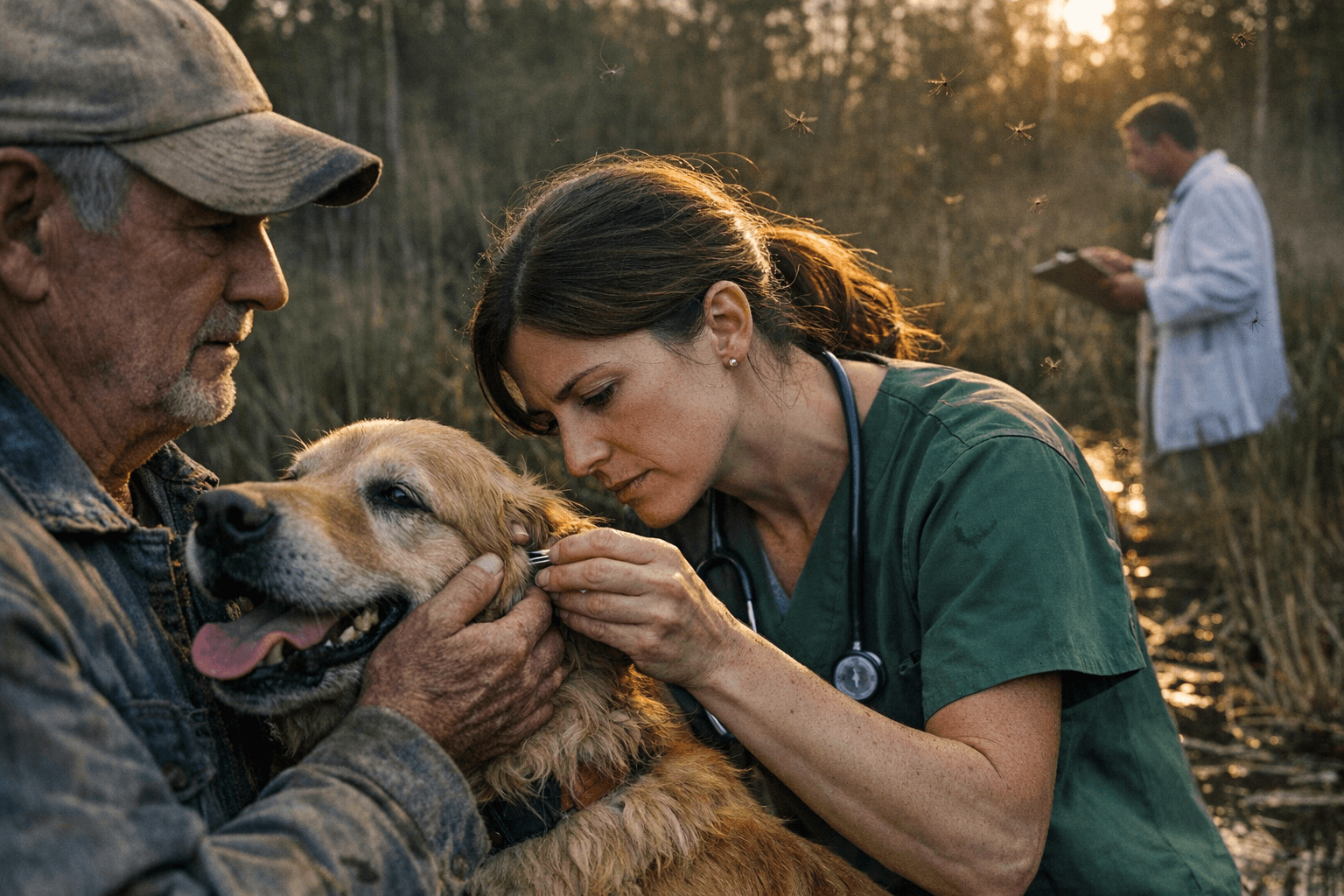
More than 40 veterinary organizations from around the globe united on March 20 to sign a prevention pledge on World Parasite Awareness Day, a coordinated show of force that carries real stakes for dogs spending time outdoors. National veterinary groups, academic institutions, and more affirmed their commitment to parasite prevention as a foundation of pet care, amid the spread of fleas, ticks, and worms to new regions. Signatories include the World Small Animal Veterinary Association, the American Veterinary Medical Association, the Federation of Veterinarians of Europe, and UK industry group NOAH. Bodies from Australia, Brazil, and Canada are also among the organizations that signed.
The timing is not coincidental. The Companion Animal Parasite Council (CAPC) released its 2026 Pet Parasite Forecast projecting continued geographic expansion of Lyme disease, ehrlichiosis, anaplasmosis, and heartworm risk across the United States, including growth in areas once considered low or moderate risk. For owners of high-drive dogs who log serious trail miles, those maps are no longer reassuring. CAPC said blacklegged ticks continue to expand geographically, with the Upper Midwest and Northeast still representing high-risk regions, and projected further spread into Ohio, Kentucky, West Virginia, Tennessee, North Carolina, Indiana, Illinois, and Michigan, along with continued westward expansion into the Northern Plains.
Kathryn E. Reif, MSPH, PhD, an associate professor in parasitology at Auburn University, CAPC board member, and lead author of the forecast, said that vector-borne disease risk is shifting in response to land use changes, pet travel, wildlife movement, and climate-related warming and extreme weather. The practical upshot for dogs that cover ground: a county that looked green on last year's risk map may not look that way now.
Heartworm is moving too, and not just along the Gulf Coast. The forecast highlights consistent pockets of elevated heartworm risk in parts of the Mountain West and Northern California, regions not traditionally considered endemic, with movement of infected dogs, expanding mosquito habitats, urban development, and inconsistent preventive use continuing to drive transmission.
The global pledge is also intended to raise awareness of the growing threat of parasites into new areas driven by climate change, pet travel, international rehoming of animals, and changes to wildlife populations. That last driver matters especially for dogs that encounter wildlife in backcountry settings. Areas where dogs face higher Lyme risk closely mirror where people contract Lyme disease, reinforcing the One Health connection between pets, people, and the environment.
Federation of Veterinarians of Europe executive director Nancy De Briyne noted that across Europe, parasites are spreading into regions where they were previously unknown, and urged all animal owners to work with their veterinarian on a prevention plan tailored to their animal's individual risk.
CAPC's forecasts have historically achieved 94% accuracy when validated against reported nationwide diagnostic results, built on more than a decade of disease surveillance and analysis of over 10 million veterinary diagnostic test results per disease each year. Along with the annual forecast, CAPC offers 30-day parasite forecast maps and daily flea forecasts through PetDiseaseAlerts.org, which can help veterinarians and pet owners track local threats and tailor parasite prevention strategies accordingly.
The picture that emerges from this week's coordinated action is not one of stable risk managed by a standard monthly chewable. It is one of boundaries in motion, and the dogs most likely to encounter those shifting frontiers are exactly the ones built to run farthest into them.
Know something we missed? Have a correction or additional information?
Submit a Tip