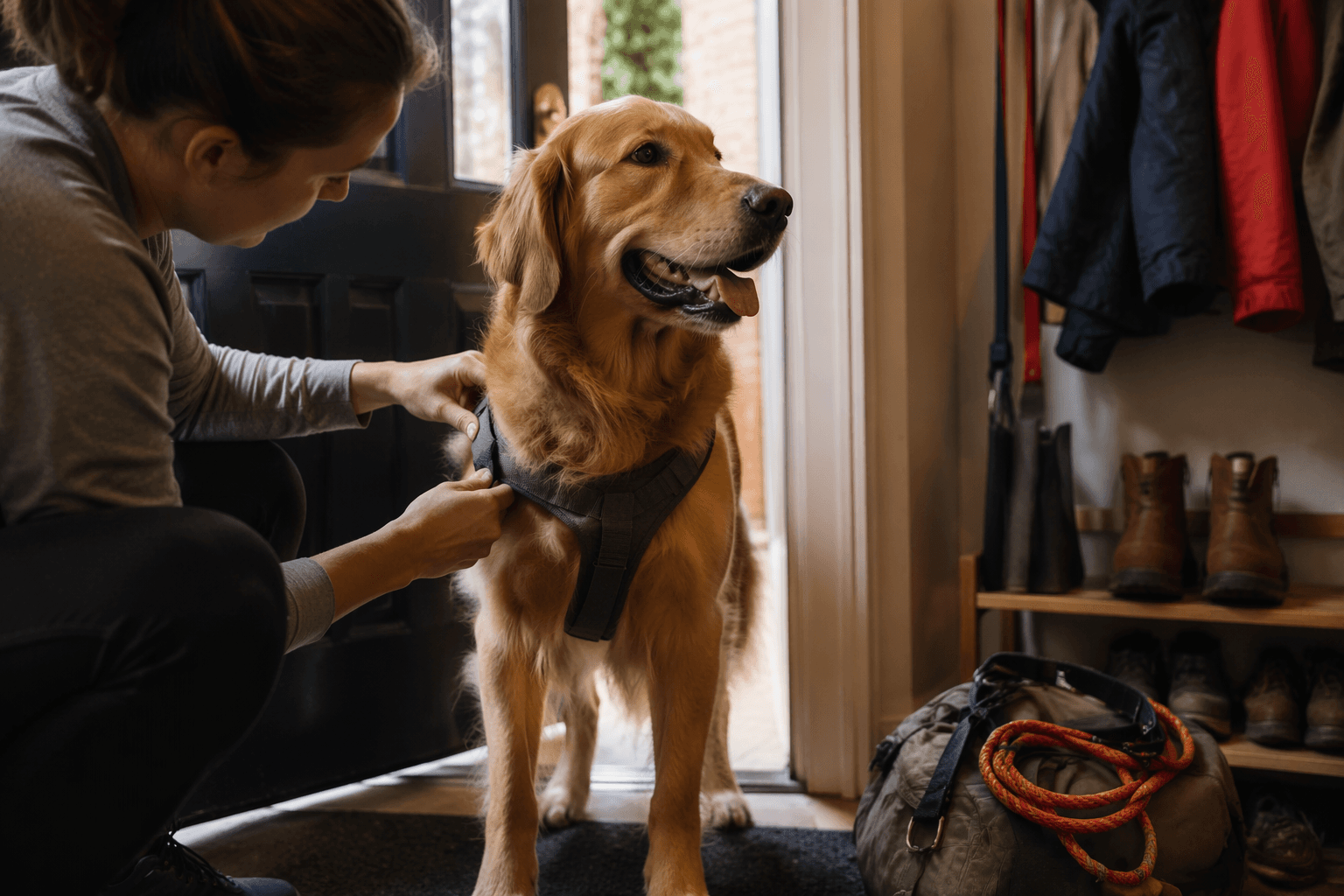
Wearable Sensors and Deep Learning Detect Gait Disorders in Dogs
A deep-learning model hit 96% accuracy identifying healthy, orthopedic, and neurological gait in dogs, using just one wearable sensor and a normal walk.
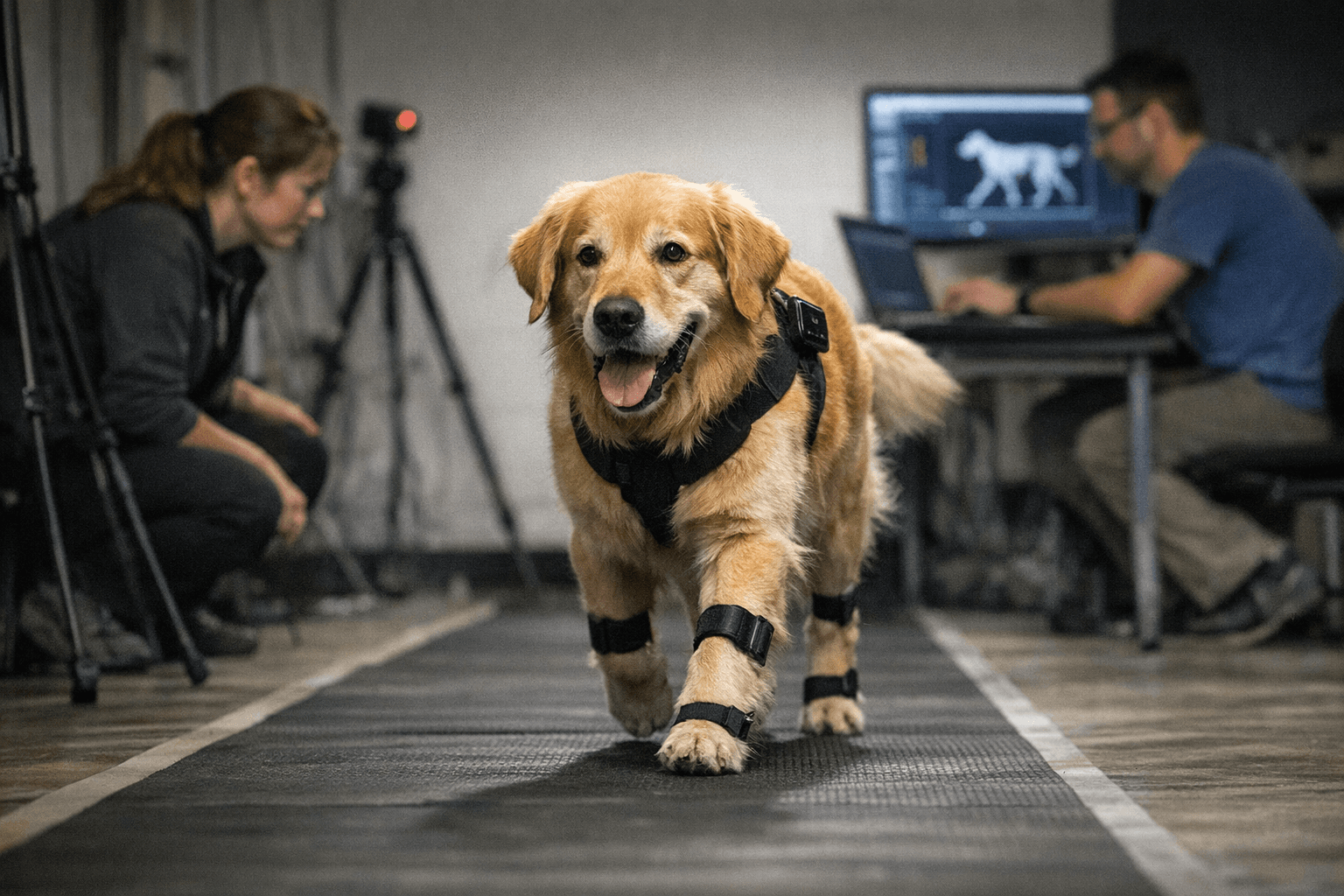
A dataset of just 29 dogs was enough: the deep-learning model developed by Netta Palez and colleagues achieved 96% accuracy in classifying gait as healthy, orthopedic-impaired, or neurological-impaired, and 82% accuracy when generalizing to dogs the model had never seen before. Those numbers, published in Scientific Reports on March 18, 2026, matter a lot if your high-drive dog has ever come up lame and left you guessing why.
The core problem the researchers set out to solve is one any dog owner with a vet appointment knows firsthand. Neurological and orthopedic conditions cannot always be easily distinguished even by experienced clinicians. A dog that's moving wrong might have a blown cruciate or might have a spinal issue, and misreading the signal means the wrong treatment, or a delayed one.
The study used the Xsens Movella DOT IMU, a compact wearable sensor designed for high-resolution motion tracking that operates at a sampling rate of 120 Hz, enabling accurate capture of dynamic movements. Sensor placement mattered too: the three locations tested on each dog were the head (top back), tail (lower back), and neck (collar). The design priority throughout was practicality. This non-invasive approach, using a single wearable sensor and requiring only natural walking, can help veterinarians detect and distinguish between gait-related pathologies early, offering more targeted and timely treatment.
For owners of hyperenergetic dogs, that last point deserves emphasis. A working or sport dog that's compensating for an orthopedic issue will often keep grinding through discomfort long after the problem starts, because that's what those dogs do. By the time the limp is obvious, the damage can be well advanced. A sensor that flags abnormal gait patterns during a regular walk, before the dog starts visibly protecting a limb, changes the timeline for intervention entirely.
The model produced interesting results using the neck sensor, though two dogs were unable to wear a collar-mounted sensor; trotting data also enhanced classification accuracy, but is usually not feasible with neurologically impaired dogs. That's an honest limitation, and it points to the gap between a controlled gait lab and the real-world conditions most sport and working dogs actually move in.
The results demonstrate the potential of inertial-based deep learning models to serve as a practical and objective diagnostic and clinical aid to differentiate gait assessment in orthopedic and neurological conditions. The paper is published open-access, meaning the full methodology is available without a paywall. Whether the Movella DOT hardware ever makes it into a vet's standard toolkit is a separate question, but the accuracy numbers at 96% make that conversation worth having sooner rather than later.
This article was produced by Prism’s automated news system from verified source data, official records, and press releases, then run through automated quality and moderation checks before publishing. The system is built and supervised by the people who set the standards it runs under. Read our full AI policy.
Did this article answer your question?