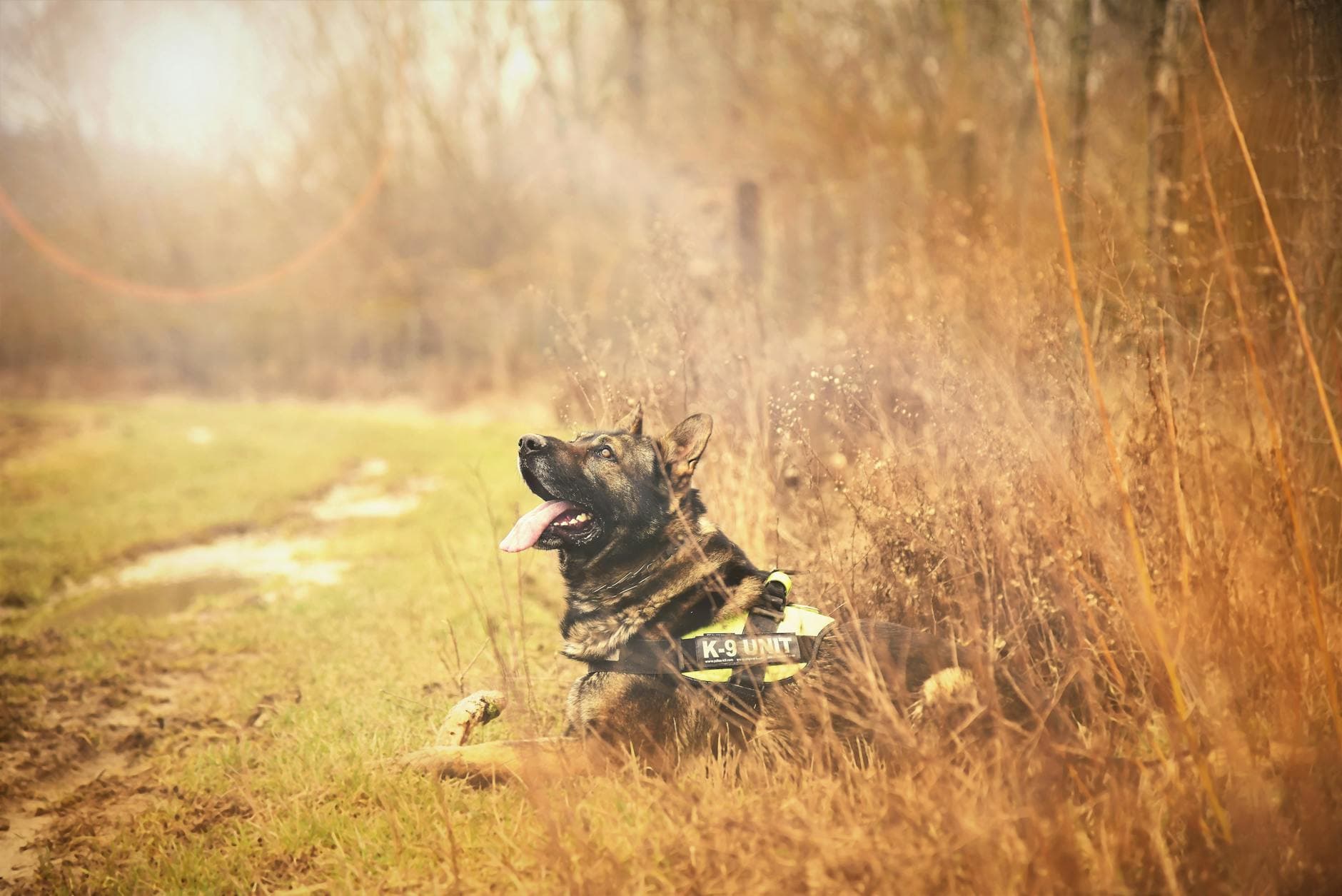
Wright-Patterson demo shows how military working dogs stay mission-ready
A nearly nine-year-old working dog at Wright-Patterson shows the difference between burning energy and building readiness, with the vet routine that keeps him in the fight.
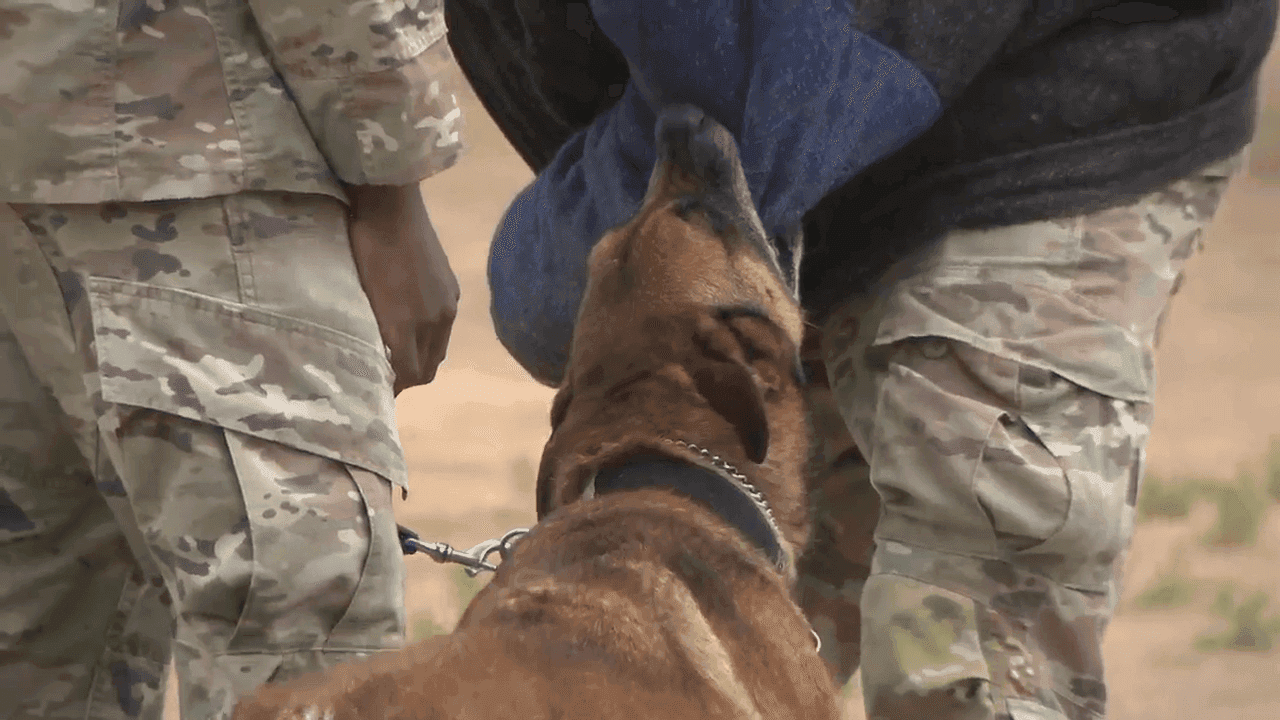
Police Week was the backdrop, but readiness was the real story
Wright-Patterson’s Military Working Dog and Defender Demo did not play like a cute public-relations stop. It looked like what it actually was: a lesson in how a high-drive dog stays usable at nearly nine years old without getting worn down by the work.
Kkaun, handled by SSgt. Stephanie Swisher, was the dog at the center of it. Around him, SPC Meiling Durzinsky, an animal care specialist, showed the part most owners never see, the boring, disciplined, repeatable care that keeps a dog operational instead of merely exhausted. That distinction matters if you live with a hyperenergetic dog and have ever mistaken “tired” for “conditioned.”
Wright-Patterson Air Force Base hosted the demo during Police Week 2026, which ran from May 11 through May 15 and was put on by the 88th Security Forces Squadron. The week fits into National Police Week, which has been held annually since President John F. Kennedy designated May 15 in 1962. So the demo was not a side attraction. It was part of a larger program honoring fallen defenders and current law enforcement while showing the public what mission-ready really looks like.
A working dog is a tactical athlete, not a mascot
Military working dogs are used for patrol, explosive detection, narcotics detection, vehicle searches, sweeps, and deployment-related tasks. That job description alone tells you why the military treats these dogs like athletic assets instead of yard rockets with badges.
The physical stress is constant. Sprinting, turning, braking, jumping, searching, and working in different surfaces all load the body in ways that can quietly turn into injury if nobody is watching the details. That is why the care system around them is built to catch trouble early, long before a limp or a missed cue becomes a mission problem.
The Air Force and Defense Health Agency guidance behind that system is plain about the baseline: military working dogs get semiannual physical exams at a minimum. They also receive vaccinations, plus flea, tick, and heartworm prevention, because readiness does not stop at obedience or drive. It includes the basic stuff that keeps a dog healthy enough to work tomorrow.
The real maintenance is in the unglamorous checks
What stood out in the Wright-Patterson coverage was how specific the monitoring gets. The team watches hips, paws, nutrition, annual blood work, and semiannual radiographs. That is not decorative care. That is the difference between finding a problem early and discovering it after a mission has already been compromised.
That is the lesson most owners of hyperenergetic dogs need to steal. If your dog has a lot of motor, the goal is not to run that engine until it stalls. The goal is to build a body that can handle work, recover from work, and keep working without paying for it later.
The broader military veterinary guidance backs that up. Nutrition issues, deployment issues, exercise, and medical deployability are all part of the same care picture. In other words, food, workload, screening, and recovery are not separate conversations. They are one system, and the system breaks when you treat them like independent chores.
What this means if you live with a high-drive dog
The temptation with a hard-charging dog is to chase fatigue. The military model points in a different direction: build durability first, then add work in a way the body can tolerate.
A few practical takeaways are worth copying:
- Watch the parts that fail first, not just the parts that look impressive. Hips, paws, mobility, weight, and recovery tell you more than a dog’s enthusiasm does.
- Use screening as a habit, not a reaction. Semiannual exams, blood work, and imaging exist because problems are easier to manage before they become pain or performance loss.
- Balance effort with recovery. Exercise is part of conditioning, but the point is controlled workload, not endless activity.
- Feed for the job, not the mood. Nutrition is part of performance maintenance, not a reward after the dog has already spent itself.
That is the hard-won difference between a dog that is simply tired at the end of the day and a dog that is actually built to handle repeated strain.
The backstop matters as much as the handler
The military does not stop at routine wellness checks. Military medical guidance says injured working dogs should receive the highest level of resuscitative care as far forward as possible, which tells you exactly how seriously the services take these animals. These dogs are operational partners, and the medical plan reflects that.
The scale is bigger than one demo, too. Military Health System veterinary services operate through 30 veterinary treatment facilities that support more than 420 military working dogs, other government-owned animals, and pets of beneficiaries. That network covers force protection and readiness across the Army, Navy, Marine Corps, and Air Force, so this is not a niche pet-care corner. It is an organized readiness mission.
Recent Air Force reporting from Maxwell Air Force Base makes the same point in a different way. Clinicians and handlers, including Lt. Col. Melissa Hehr, Maj. Mackenzie Shrives, U.S. Army Staff Sgt. Tawei Chen, and U.S. Air Force Senior Airman Jaden Bohatec, have pointed to routine checks of blood, weight, ears, eyes, teeth, and mobility as part of staying on top of the job. The policy side is just as serious, with Air Force updates prohibiting the abandonment of military working dogs overseas and with Canine Tactical Combat Casualty Care training pushing medics and handlers to think about canine trauma the way they already think about human trauma.
That is why the Wright-Patterson demo lands harder than a simple public display. Kkaun’s age, Swisher’s handling, and Durzinsky’s veterinary focus all point to the same idea: mission-ready dogs are built through structure, not just energy. If you want a dog that can do more than burn hot and break down, the military already shows the playbook, and it starts with protecting the body before the work asks too much of it.
Know something we missed? Have a correction or additional information?
Submit a Tip