Aldi’s £24.99 inflatable ice bath tests budget cold plunge appeal
Aldi’s £24.99 inflatable ice bath looks like a budget gimmick, but the hands-on test asks a serious question: can it deliver a real cold-plunge routine without the premium price?
The £24.99 question
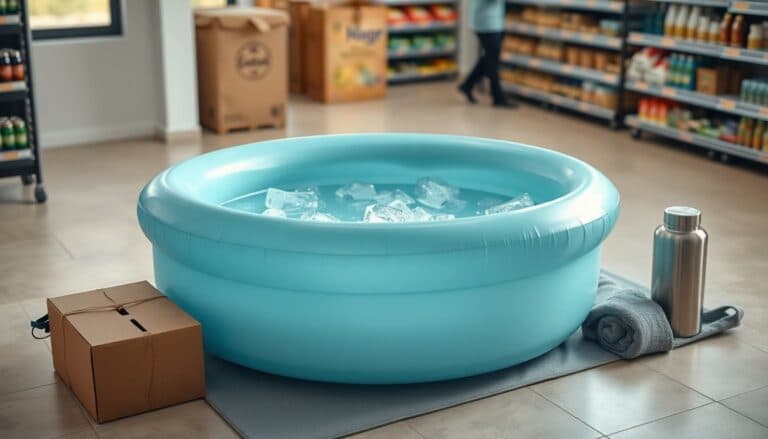
Aldi’s inflatable ice bath is the kind of bargain that forces a split-second judgment: joke buy or real recovery tool? At £24.99, it sits far below the expensive tubs and chillers that usually dominate cold-plunge setups, yet it promises the same basic payoff, a way to get into cold water without spending thousands.
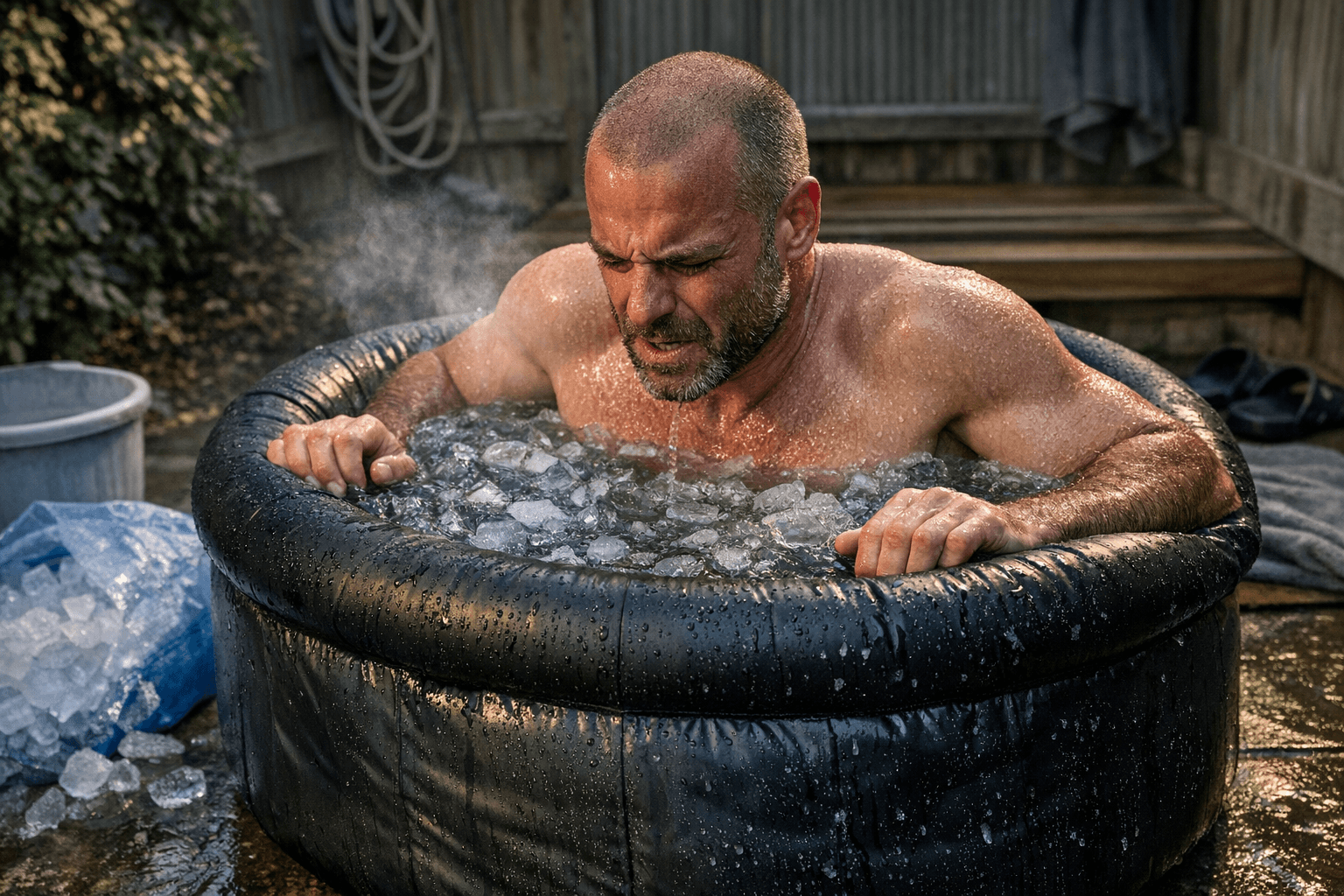
That is why the story lands. The appeal is not just that the tub is cheap, it is that the price lowers the barrier so sharply that cold immersion suddenly becomes something a curious newcomer can try without committing to a full system. For athletes, weekend warriors, and anyone who has flirted with the idea of an ice bath after training, the real question is whether this is a legitimate entry point or a false economy dressed up as wellness.
What Aldi says you are getting
Aldi brought the inflatable bath back as a returning Specialbuy, with a nationwide in-store date of March 12, 2026. The retailer positioned it as a one-person ice bath designed for post-workout recovery, and said it takes around 20 minutes to inflate. It is made from Tritech puncture-resistant material and comes with a secure cover and rope fastener.
Those details matter because they separate this from a throwaway novelty. A secure cover and fastener suggest a product meant to be filled, used, and put back into service, not just admired in a shed. The puncture-resistant material is the durability cue, the part that tells you Aldi knows the tub will be handled outdoors, moved around, and pushed into regular use rather than treated as a one-off stunt.
The one-person design also sets expectations. This is not meant for social lounging or a shared backyard ritual. It is built for someone who wants a simple, private cold dip after a workout, with the minimum amount of fuss between deciding to plunge and actually getting in.
How the hands-on test changes the story
What turns this from a supermarket oddity into a genuine consumer story is the way it was tested. Harry Bamforth did not just look at the product and pronounce on the price tag. He unboxed it, filled it, chilled it, and then judged what it is actually like to use.
That matters because cold plunge gear lives or dies on practicality. Setup time is part of the experience, and here the 20-minute inflation claim is central. If a tub takes too much effort before every session, it stops being a recovery habit and starts becoming a weekend project. Aldi’s pitch is that the process should be quick enough to fit around real life, which is exactly what budget buyers need if they are trying to build a routine.
The comfort question is more subtle. An inflatable shell will never feel like a premium, rigid cold tub, and nobody should pretend otherwise. But comfort in this category is less about luxury and more about usability: does the shape feel stable enough for a solo plunge, and does the cover and fastening system make the whole thing feel manageable once the cold is in play? On that score, the product is clearly aimed at functional use rather than spa-style comfort.
Why the cold-plunge trend keeps pulling people in
Part of the reason Aldi can sell an ice bath like this at all is that cold exposure has moved from niche ritual to mainstream wellness habit. Mayo Clinic Press credits Wim Hof with helping elevate icy plunges from a once-a-year New Year pastime into a widely popular health and fitness trend. That broader cultural shift is what makes a bargain bin plunge feel relevant instead of absurd.
The motivations are familiar to anyone already in the space: post-workout recovery, mental reset, and the appeal of doing something that feels disciplined. A cheap inflatable tub taps straight into that psychology. It lets people test the ritual without buying into the full premium ecosystem of engineered tubs, smart chillers, and all the associated expense.
Aldi’s previous launches drew strong shopper demand, and people had already been sharing comments online about the product. That kind of response tells you the audience is bigger than the hardcore cold-plunge crowd. It includes the curious, the budget-conscious, and the people who want to see whether the trend still feels useful when stripped of prestige pricing.
What the evidence says, and what it does not
The science around cold-water immersion is not simple, and that matters when a product like this is sold as a recovery aid. A 2022 systematic review and meta-analysis found conflicting opinions on whether cold-water immersion helps recovery, even though some studies suggest it may help fatigue recovery after high-intensity exercise. In other words, the evidence points in more than one direction.
British Journal of Sports Medicine is even more cautious, saying the scientific rationale is not clear and that there are no clear guidelines for use. That is an important reality check. Cold plunges may be embedded in modern training culture, but the practice is still less settled than the hype around it suggests.
For a buyer, that means the Aldi tub should be judged as a low-cost way to test a habit, not as a miracle recovery machine. If cold immersion already works for your routine, a cheap tub can make it more accessible. If you are hoping the product will prove the whole category, the science is not tidy enough to make that claim.
Safety still comes first
Cold water is not a casual accessory. The NHS says hypothermia is a dangerous drop in body temperature below 35C, and it can happen after falling into cold water. That is the line that should sit in the back of anyone’s mind before they decide a bargain plunge is harmless because it is cheap.
The risk does not vanish just because the tub is inflatable and sold in a supermarket aisle. In fact, the accessibility of the product is exactly why caution matters. A low entry price can make the practice feel ordinary, but the body does not care how much the tub cost. Cold exposure still needs to be treated with respect, especially if the goal is a short recovery dip rather than a prolonged challenge.
Who this tub suits
This is the right kind of buy for someone who wants to try cold plunging without committing to a premium setup. It suits a solo user, someone focused on post-workout recovery, and anyone who wants a practical experiment before spending big on a more permanent system.
It is less convincing for someone who wants all-day durability, high-end comfort, or the sense of owning a serious piece of recovery hardware. The Aldi tub is closest to an accessible first step: useful if you want to see whether cold immersion becomes a habit, limited if you already know you want a long-term, heavily engineered solution.
That is the real story here. Aldi has not reinvented cold plunging, but it has made the door into it much wider. For £24.99, this inflatable bath looks less like a novelty and more like a blunt, budget-friendly test of whether the cold-plunge habit is worth making room for at home.
This article was produced by Prism’s automated news system from verified source data, official records, and press releases, then run through automated quality and moderation checks before publishing. The system is built and supervised by the people who set the standards it runs under. Read our full AI policy.
Did this article answer your question?