Andrew Cotton shows how breathing turns ice baths into training
Five minutes in 4-degree water becomes manageable once breathing takes over, and the first 90 seconds decide whether the plunge feels like panic or training.

The first 45 seconds decide everything
Five minutes in 4-degree water is not a toughness contest, it is a breathing contest. That is the lesson Andrew Cotton and breath-work specialist Andrew Blake put on display as they led a mixed group of athletes and cold-plunge beginners into an Austrian lake and asked them to stay in for five minutes.
The number sounds brutal, but the story is not really about surviving the clock. It is about how controlled breathing changes the experience from a fight for the exit into something the body can adapt to. In this world, the plunge stops being a stunt when the breath stops being chaotic.
Why Cotton is the right voice for the job
Cotton is not showing up as a wellness tourist. He has already used ice baths for muscle recovery after heavy sessions, especially after the kind of punishment that comes with big-wave surfing at Nazaré. That matters because his credibility comes from use, not theory. He knows the difference between a recovery tool and a social-media dare.
Blake brings the other half of the equation. As a breath-work specialist, he frames the cold plunge as a physiological and mental training problem, not just a test of grit. Together, they turn the lake session into something more useful than a spectacle: a repeatable model for how athletes and first-timers can approach cold immersion without letting panic run the experience.
What cold water is doing to the brain
The body’s response is not random. Blake explains that cold immersion activates noradrenaline and dopamine, which helps account for the alertness, motivation, and even euphoric feeling people often associate with a good plunge. That is why cold exposure can leave people feeling sharper instead of simply colder.
This is also why the breath matters so much. The chemistry may help create the payoff, but the breathing pattern determines whether anyone stays calm long enough to reach it. When the nervous system is flooded by the shock of 4-degree water, the breath becomes the steering wheel.

The real protocol: organize the breath, then wait out the shock
The story’s most practical takeaway is simple enough to test immediately: the first 30 to 45 seconds are still miserable for most people. That window is where the body is reacting hardest, and where most first plunges fail because the instinct is to chase the exit instead of settling the breath.
Blake’s point is that the experience changes if the breathing stays organized and the mind stays off the exit. Around 90 seconds in, the plunge can shift from feeling like torture to feeling almost enjoyable. That is the key performance insight here: the goal is not to pretend the cold feels good right away, but to stay controlled long enough for adaptation to show up.
A practical version of that protocol looks like this:
- enter the water ready for a rough first minute
- keep the breathing steady and deliberate rather than panicked
- resist the urge to mentally time every second
- stay focused on remaining in the plunge instead of planning the escape
- expect the body to feel different by roughly the 90-second mark
That sequence is what turns the session from a shock response into a training drill.
Different athletes, same lesson
The mixed group matters because it shows cold exposure is no longer limited to one tribe. The people in the water span surfing, mountain biking, HYROX, and other high-output sports, along with beginners testing the discipline for the first time. That range makes the lesson more useful, not less: the cold is not reserved for hardened specialists, and the breathing skill is not reserved for the ultra-experienced.
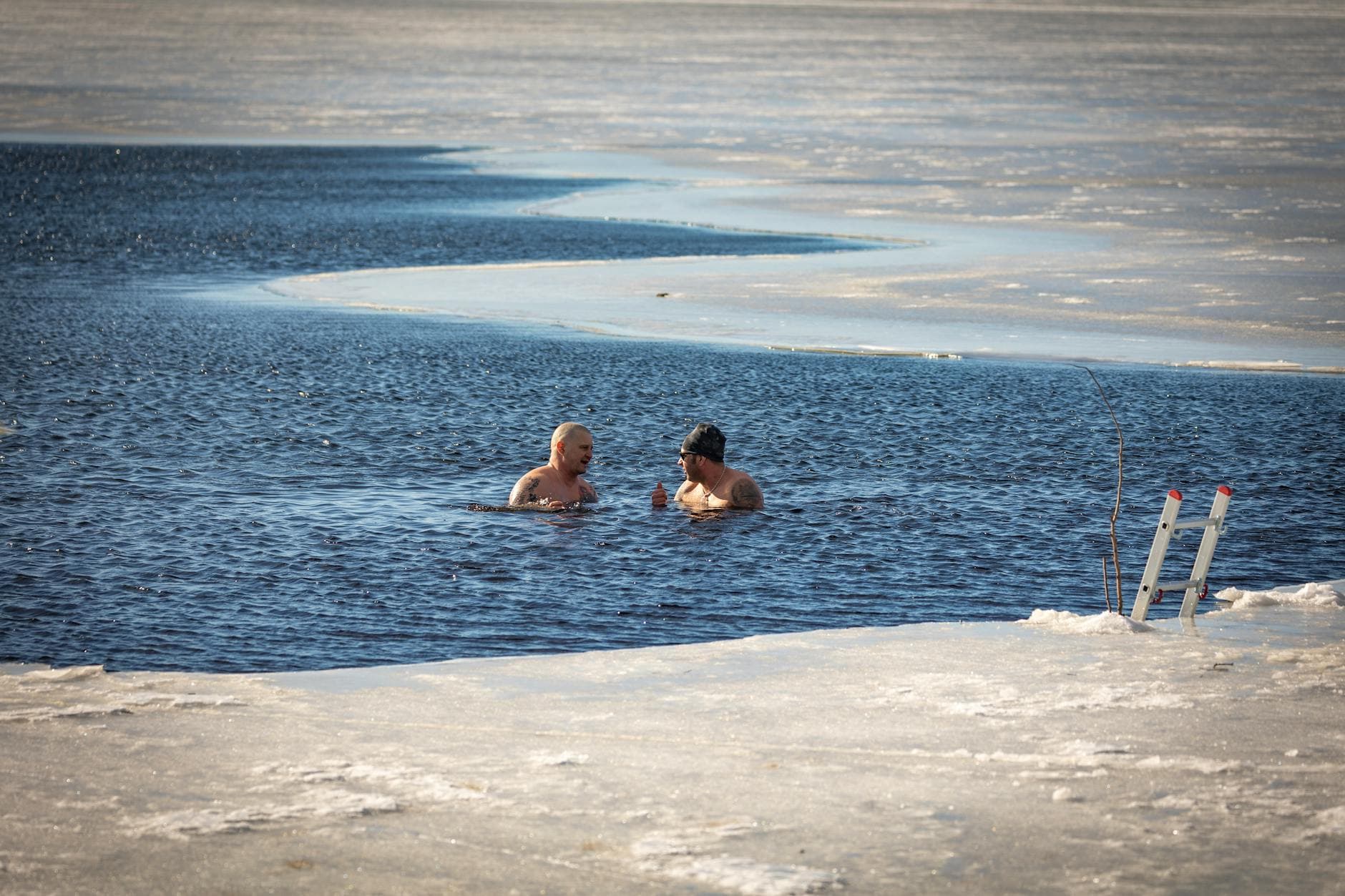
The contrast between the athletes and the newcomers is part of the point. Some arrive with recovery experience and a tolerance for discomfort; others arrive with curiosity and little cold-water practice. But the article’s message is that both groups are dealing with the same bottleneck in the first minute, and both can improve by learning how to breathe under stress.
How ice baths are being reframed
Cold exposure is moving away from the old binary of “good” or “bad.” The more interesting question now is how athletes are using breathwork, exposure training, and progressive adaptation to turn discomfort into a reliable recovery tool. That is a more useful frame for the community because it treats the plunge as trainable.
This is where the story lands hardest. The headline number, five minutes in 4-degree water, is not the achievement by itself. The achievement is the method that makes the time possible. Once breathing becomes the skill, ice baths stop being something you merely endure and start becoming something you can train.
What readers can take from it right now
If the goal is to test cold plunging as a recovery or mental-training tool, this story gives a clean benchmark. The first minute is supposed to be hard. The 90-second shift is real enough to notice. And the difference between bailing early and settling in is not mystery or macho willpower, it is whether the breath stays organized when the cold hits.
That is why Andrew Cotton’s example lands. He is not selling ice baths as a wellness trend. He is showing that in 4-degree water, the breath is the part that turns a shock response into training, and the real finish line is the moment panic gives way to adaptation.
This article was produced by Prism’s automated news system from verified source data, official records, and press releases, then run through automated quality and moderation checks before publishing. The system is built and supervised by the people who set the standards it runs under. Read our full AI policy.
Did this article answer your question?